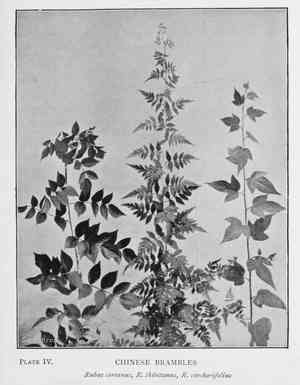
Jute-leaved raspberry (Rubus corchorifolius)
Also known as: Bamboo-leaved bramble, Mountain bramble
The jute-leaved raspberry (Rubus niveus) typically grows along stream banks and in dense underbrush. The plant produces red fruits that can be enjoyed fresh or used in cooking. These berries, which can reach up to 1.2 cm in size, are also utilized in creating a dull blue or purple dye.
In This Article
Attributes of Jute-leaved raspberry
Lifespan
Perennial
Plant Type
Shrub
Plant Height
3 m
Spread
1-2 meters
Leaf Color
Green
Flower Size
3 cm
Flower Color
White
Images of Jute-leaved raspberry

Quickly Identify Jute-leaved raspberry
1
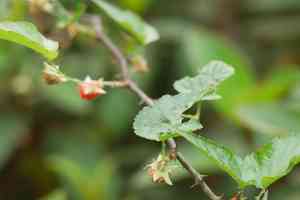
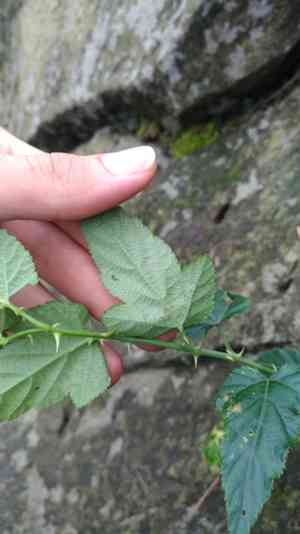
Identification of Rubus corchorifolius can be done by observing its distinctive, ovate leaves with serrated edges and its raspberry-like fruits. The stems are usually covered in fine hairs and sometimes prickly.
Scientific Classification of Jute-leaved raspberry
Phylum
Vascular plants
Class
Dicotyledons
Order
Roses, elms, figs, and allies
Family
Rose
Genus
Brambles
Species
Jute-leaved raspberry
Planting and Growing of Jute-leaved raspberry
Care Difficulty
Easy
Watering Schedule
Every 6 days
Sunlight Requirements
Full sun
Sunshine Duration
4-8 hours
Ideal Temperature
60-75℉
Soil Type
Potting Mix, Peat Mix
Soil pH
6.5-7.5
Fertilizer Type
Balanced
Pruning Season
Spring, Summer
Pruning Area
Branches, Leaves
Pruning Frequency
2 times a year
Repotting Season
Spring
Pot Type
Plastic, Ceramic
 How to Water Jute-leaved raspberry?
Rubus corchorifolius, also known as the Red raspberry, thrives with a watering principle that seeks balance. Ensure the soil remains consistently moist without becoming waterlogged. This species appreciates a deep soak of about 500 milliliters per watering session. This allows the water to reach the root zone, encouraging healthy root growth and vibrant foliage.
What are the symptoms of an underwatered Jute-leaved raspberry?
›
What should I do if my Jute-leaved raspberry is not getting enough water?
›
What are the symptoms of an overwatered Jute-leaved raspberry?
›
How to save an overwatered Jute-leaved raspberry?
›
 What Are the Sunlight Requirements for Jute-leaved raspberry?
Rubus corchorifolius thrives in full sun to partial sun conditions with about 4 to 6 hours of exposure. Ideal lighting enhances its photosynthesis, promotes energy synthesis, and leads to healthier fruit production, boasting a well-rounded growth.
More About Sunlight Requirements Techniques→
What is the best light for Rubus corchorifolius?
›
How to achieve ideal light conditions for Rubus corchorifolius?
›
What are the benefits of ideal lighting for Rubus corchorifolius?
›
 What Is the Ideal Temperature Range for Jute-leaved raspberry?
For Rubus corchorifolius, the ideal temperature range that supports optimal growth is between 60°F and 75°F. This range ensures that the plant's metabolic processes function effectively, providing an environment conducive to vigorous growth and fruit production. Maintaining temperatures within this range encourages healthy leaf and stem development and minimizes stress-related issues.
 What Soil is Best for Jute-leaved raspberry?
Rubus corchorifolius thrives in well-drained soil, which helps to prevent root rot by moving excess moisture away from the roots. This ensures the plant's roots have access to both air and water, promoting healthy growth and berry production. The plant requires soil rich in organic matter and nutrients to support its growth and fruiting. Using compost or organic fertilizers can enhance the soil's fertility, providing essential nutrients for robust plant development. While well-drained, the soil should retain enough moisture to sustain the plant between watering sessions. This balance is crucial in preventing drought stress, which can lead to wilting or reduced fruit yield.
 How to Fertilize Jute-leaved raspberry?
Rubus corchorifolius benefits from a moderate amount of fertilizer. For liquid fertilizers, apply approximately 10 ml per liter of water. Use slow-release granules sparingly, about 30 grams per plant. Avoid pouring fertilizer directly onto the foliage as it can cause burning.
 How to Prune Jute-leaved raspberry?
Begin by examining the plant for any dead or damaged canes, which should be removed immediately to prevent any spread of disease. Next, trim the longer branches to encourage denser growth. Focus on opening up the center of the plant to allow sunlight and air to penetrate, improving overall health. Be precise with cuts, making them just above a node or bud for optimal regrowth.
More About Pruning Techniques→
 How to Propagate Jute-leaved raspberry plant?
1
Choose healthy and disease-free plants for taking seeds or cuttings. This ensures that the propagated plants will inherit strength and resistance to diseases.
2
Use a sterilized knife or pruning shears to take 4-6 inch cuttings from a healthy Rubus corchorifolius plant. Remove leaves from the lower half and dip the cut end in rooting hormone.
3
Insert the cuttings into a potting medium that provides good drainage, such as a mix of perlite and peat moss. Water them lightly, keeping the soil moist but not waterlogged.
 How to Repot Jute-leaved raspberry plant?
1
Repot Rubus corchorifolius when roots start to come out of the drainage holes or the plant becomes top-heavy. Signs also include slow growth and reduced fruiting. Spring and Autumn are optimal times as the weather is mild and can reduce stress on the plant.
2
Select a pot that is 2-3 inches larger in diameter than the current pot, with drainage holes at the bottom. This ensures adequate space for root growth and prevents waterlogging, which can lead to root rot and fungal infections.
3
Opt for a well-draining loamy soil mixed with organic matter. This mix will provide essential nutrients, ensure proper air circulation, and maintain moisture balance, thereby supporting healthy root development.
Learn More About Jute-leaved raspberry Diseases
Anthracnose
Bacterial Leaf Spot
Black Spot
Chemical Injury
Crown Gall
Damping-off
Downy Mildew
Drought Stress
Fusarium Wilt
Gray Mold
Leaf Curl
Leaf Spot
Mosaic
Nutrient Deficiency
Nutrient Toxicity
Powdery Mildew
Root Rot
Root-knot Nematode
Rusts
Sooty Mold
Spider Mites
Temperature Stress
Thrips Damage
White Mold



