How to Prune Jute-leaved raspberry?
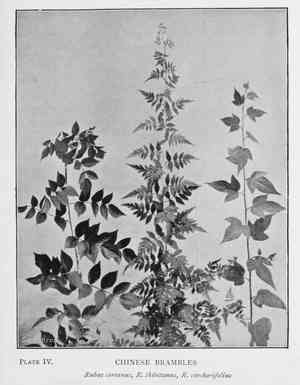
A perennial shrub recognized for its palatable fruit and spear-shaped foliage, jute-leaved raspberry benefits significantly from trimming, which improves both the fruit's caliber and the plant's robustness. To prune effectively, eliminate any dead or ailing stems and reduce older growth to encourage fresh stems that will bear fruit in the subsequent year. The ideal period for pruning jute-leaved raspberry is from late winter to early spring, which guarantees minimal strain and excellent recuperation. Consistent trimming preserves its form and fosters robust, fruitful stems, simultaneously boosting air movement to prevent fungal infections.
What Are the Benefits of Pruning Jute-leaved Raspberry?
What Are the Benefits of Pruning Jute-leaved Raspberry?
Trimming jute-leaved raspberry encourages strong development and helps maintain its desired shape. Regular cutting promotes a more compact, manageable form, ensuring jute-leaved raspberry remains both attractive and robust.
What Is the Best Time for Pruning Jute-leaved Raspberry?
What Is the Best Time for Pruning Jute-leaved Raspberry?
The optimal periods for pruning jute-leaved raspberry are late winter and early spring. This timing is ideal as it coincides with the plant's dormant phase, reducing stress and minimizing the chance of disease and pest issues. Pruning before active spring growth allows jute-leaved raspberry to recover from cuts faster and directs its energy toward new, healthy development. Late winter pruning prepares jute-leaved raspberry for vigorous spring growth, while early spring pruning ensures any winter frost damage is removed, preserving the plant's overall health and structure. Additionally, this schedule avoids cutting off developing buds that will become flowers and fruits, as jute-leaved raspberry typically blooms on new wood from the current season. This guarantees that the pruning process does not negatively affect the plant's flowering or fruiting potential.
What Tools Do I Need to Prune Jute-leaved Raspberry?
Hand Pruners
Perfect for making precise cuts on jute-leaved raspberry, hand pruners are effective for trimming smaller stems and removing dead or diseased parts.
Loppers
Given jute-leaved raspberry's potential for thicker stems, loppers offer the necessary leverage for cutting branches too large for hand pruners.
Pruning Saw
For the mature and woody stems of jute-leaved raspberry that loppers cannot manage, a pruning saw can create cleaner cuts.
Gloves
Thorns on jute-leaved raspberry require protective gloves to prevent injury during the pruning process.
Pruning Sealer
After cutting larger stems, applying a pruning sealer can help safeguard jute-leaved raspberry from diseases and pests.
Long-sleeved Garment
To shield skin from thorns and scratches when pruning jute-leaved raspberry, long-sleeved clothing is recommended.
How to Prune Jute-leaved Raspberry
Identify
Carefully examine jute-leaved raspberry to locate diseased leaves, withered foliage, dead branches, and infected stems. Use clean, sharp shears for the task.
Disinfect
Sanitize pruning shears before and after use to prevent the spread of disease among jute-leaved raspberry plants.
Remove Leaves
Snip off diseased and withered leaves from jute-leaved raspberry at the base of the leaf stem, taking care not to harm healthy foliage and stems.
Prune Branches
Cut dead and diseased branches from jute-leaved raspberry back to healthy wood, ensuring cuts are made at a 45-degree angle to aid healing and water runoff.
Cleanup
Gather and dispose of all pruned material away from jute-leaved raspberry to prevent any potential spread of disease or pests.
Common Pruning Mistakes with Jute-leaved Raspberry
Overpruning
Removing too much growth from jute-leaved raspberry can stress the plant, leading to reduced vigor and fruit production.
Blunt Tools
Using dull or dirty cutting tools can result in jagged cuts that are more susceptible to disease and pests.
Improper Cut Location
Not cutting at the correct angle or spot can cause damage to the canes of jute-leaved raspberry and hinder proper healing.
Ignoring Diseased Material
Failing to remove diseased or damaged canes may promote the spread of infections to healthy parts of the plant.
Clumping Cuts
Making multiple cuts in one area can lead to crowded growth and poor air circulation, which is detrimental to jute-leaved raspberry's health.
Common Pruning Tips for Jute-leaved Raspberry
Sharp Tools
Always use sharp, clean pruning shears to make clean cuts that heal quickly and minimize the risk of disease.
Angled Cuts
Make angled cuts just above a bud to encourage outward growth and prevent water accumulation that could cause rot.
Thin Dense Areas
Thin out dense areas of growth to improve air circulation and light penetration, which is vital for the health of jute-leaved raspberry.
Remove Spent Canes
Prune out spent or old canes to redirect jute-leaved raspberry's energy towards vigorous, fruit-producing growth.
Cut At Internodes
Make cuts at internodes, the areas of the stem between the leaves, to prevent new growth from becoming too dense.



