How to Transplant Glaucous dog rose?
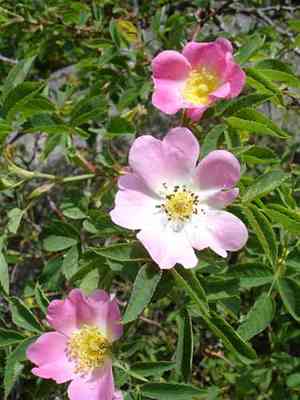
The ideal period for relocating glaucous dog rose is after the cold season subsides but prior to the onset of intense summer warmth – generally from early spring until flowering commences. Select a location bathed in sunlight with soil that drains effectively. Bear in mind that careful handling guarantees a smooth transition for glaucous dog rose.
What Preparations are Needed Before Transplanting Glaucous Dog Rose?
What is the Ideal Time for Transplanting Glaucous Dog Rose?
The best period for moving glaucous dog rose extends from early spring's thaw to the beginning of summer's warmth. Placing glaucous dog rose in its new spot during this revitalizing window takes advantage of mild temperatures and increased moisture, conditions most favorable for root establishment. This timing ensures glaucous dog rose can develop roots comfortably before summer heat intensifies, fostering a strong growth season ahead.
How Much Space Should You Leave Between Glaucous Dog Rose Plants?
When arranging your glaucous dog rose, aim for approximately 24-36 inches (61-91 cm) of separation. This provides each plant ample room to thrive while creating a lush, full garden appearance.
What is the Best Soil Mix for Glaucous Dog Rose Transplanting?
Select a well-draining soil rich in organic material for your glaucous dog rose. Before transplanting, enrich the soil with a balanced, all-purpose fertilizer to give your plants a healthy start.
Where Should You Relocate Your Glaucous Dog Rose?
Glaucous dog rose flourishes in areas with full sun to partial shade. Choose a location that receives at least 4-6 hours of direct sunlight daily, ensuring your glaucous dog rose gets the energy it needs to thrive.
What Equipments Should You Prepare Before Transplantation Glaucous Dog Rose?
Gardening Gloves
To safeguard your hands while handling soil and plants.
Shovel or Spade
For excavating and moving the root ball.
Watering Can or Hose
To hydrate glaucous dog rose before and after relocation.
Pruning Shears
For trimming any damaged roots or stems during the transplanting process.
Wheelbarrow or Garden Cart
To transport the plant and soil if necessary.
Trowel
For refining the planting hole or incorporating soil amendments.
Garden Fork
To loosen the soil around the plant's original and new positions.
How Do You Remove Glaucous Dog Rose from the Soil?
How Do You Remove Glaucous Dog Rose from the Soil?
From Ground: First, moisten glaucous dog rose to dampen the soil. Then, dig a wide trench around glaucous dog rose using a shovel or spade, ensuring a generous amount of soil remains around the root ball. Gently work the spade beneath the root ball and carefully lift the plant from its initial spot.From Pot: Start by watering the plant in its current container. Gently tip the pot sideways and tap the exterior to loosen the root ball. Use your hands to support glaucous dog rose as you carefully slide it out of the pot.From Seedling Tray: Water the seedlings first to keep the soil intact. Use a trowel or your fingers to gently lift the seedling while supporting the soil and roots, minimizing disturbance.
Step-by-Step Guide for Transplanting Glaucous Dog Rose
Preparation
Ensure all necessary tools and supports are ready before beginning the transplanting process.
Root Ball Care
Excavate a substantial amount of soil with the root ball to prevent root damage. Root ball size can vary, but be as generous as practical.
Lifting glaucous dog rose
Carefully lift glaucous dog rose using the shovel or spade as leverage. Aim to keep the root ball as intact as possible to minimize plant shock.
Transporting to the New Location
Use a wheelbarrow or garden cart to carefully move glaucous dog rose to its new site. If the plant is small, it might be carried by hand.
Planting Hole
Dig a hole in the new location that is twice the width of the root ball and of equal depth. The extra space aids easier root spread.
Placing the Plant
Position glaucous dog rose in the center of the hole. Ensure the plant sits at the same level it grew previously, preventing stem rot or drying out.
Filling In
Backfill the hole with soil, gently tamping down around the roots to eliminate air pockets. Water thoroughly after planting to settle the soil around the root ball and help reduce transplant shock.
How Do You Care For Glaucous Dog Rose After Transplanting?
Maintaining Moisture
Keep the soil around glaucous dog rose consistently moist for the initial few weeks without overwatering.
Staking Support
If glaucous dog rose appears unstable, use a stake to support it until its roots establish.
Monitoring Health
Watch for signs of transplant shock, such as wilting or leaf drop, and respond with appropriate care like shade or additional watering.
Controlling Weeds
Keep the area around glaucous dog rose clear of weeds to reduce competition for resources.
Troubleshooting Common Issues with Glaucous Dog Rose Transplantation.
Why is my glaucous dog rose wilting after transplanting?
Wilting may stem from root shock or insufficient watering. Ensure the soil remains consistently moist and the plant is shaded from intense sun for a few days post-transplant.
What spacing is best when transplanting glaucous dog rose?
A good guideline is to space glaucous dog rose 24-36 inches (61-91 cm) apart. This allows for growth and air circulation, promoting healthy plant development.
When is the perfect time to transplant glaucous dog rose?
The optimal transplanting period for glaucous dog rose is between early and late spring, when the plant is emerging from dormancy.
How deep should I plant glaucous dog rose during transplantation?
Plant glaucous dog rose so the top of the root ball is level with the soil surface. Avoid planting too deeply to prevent root rot.
Should I prune glaucous dog rose when transplanting?
Pruning isn't essential, but you might trim damaged roots or excessive top growth to encourage healthier development and lessen transplant shock.
Why are the leaves of glaucous dog rose turning yellow after transplanting?
Yellowing leaves could indicate overwatering, underwatering, or a nutrient deficiency. Adjust watering and consider a balanced fertilizer suitable for roses.
Can I transplant glaucous dog rose on a hot day?
It's best to transplant glaucous dog rose on a cloudy day or in the late afternoon to minimize stress and prevent dehydration.
How often should I water glaucous dog rose after transplanting?
Water glaucous dog rose thoroughly at transplanting and then regularly to maintain moist, not saturated, soil, avoiding drying out between waterings.
What soil preparation is required for transplanting glaucous dog rose?
Prepare the soil with organic matter like compost for nutrients. Also ensure good drainage to prevent waterlogging of the roots.
What signs indicate glaucous dog rose is successfully transplanted?
Signs of successful transplant include new leaf and stem growth, as well as the plant establishing and anchoring itself firmly within a few weeks.



