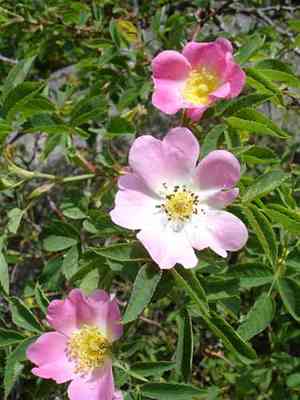
Glaucous dog rose (Rosa dumalis)
Also known as: Hairy dog-rose
The Glaucous dog rose (Rosa dumalis) belongs to the rose family and is often found growing naturally in woodlands and hedgerows. It is easily recognizable when its subtle pink blossoms appear in early summer. While not typically favored as an ornamental rose, it is appreciated for its aesthetic value in woodland gardens and is effective for use in hedging due to its dense growth.
In This Article
Attributes of Glaucous dog rose
Lifespan
Perennial
Plant Type
Shrub
Plant Height
1 m to 2 m
Spread
1.5 m
Leaf Color
Dark green, glaucous underside
Flower Size
4 cm to 5 cm
Flower Color
Pink Purple Red
Images of Glaucous dog rose
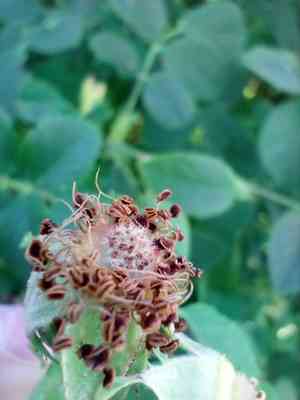
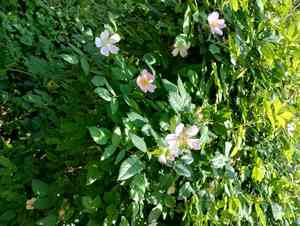
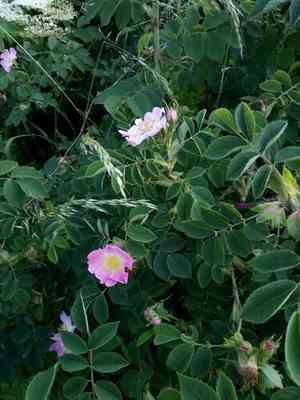
Quickly Identify Glaucous dog rose
1
To identify Rosa dumalis, look for its shiny, dark green leaves with a glaucous underside, curved prickles on the stem, large pink flowers, and bright red hips that are oval-shaped. It typically grows as a shrub and can be identified by its height and spread.
Scientific Classification of Glaucous dog rose
Phylum
Vascular plants
Class
Dicotyledons
Order
Rosales
Family
Rose
Genus
Roses
Species
Glaucous dog rose
Planting and Growing of Glaucous dog rose
Care Difficulty
Easy
Watering Schedule
Every 4 days
Sunlight Requirements
Full sun
Sunshine Duration
6-8 hours
Ideal Temperature
60-75℉
Soil Type
Potting Mix, Peat Mix
Soil pH
6.5-7.5
Fertilizer Type
Balanced
Pruning Season
Spring, Summer
Pruning Area
Branches, Leaves
Pruning Frequency
2 times a year
Repotting Season
Spring
Pot Type
Plastic, Ceramic
 How to Water Glaucous dog rose?
When watering Rosa dumalis, it is essential to ensure that the water penetrates deeply into the soil. Aim for about 500 ml per session, allowing the moisture to reach the root zone thoroughly. This ensures roots have sufficient access to water, promoting healthy growth.
What are the symptoms of an underwatered Glaucous dog rose?
›
What should I do if my Glaucous dog rose is not getting enough water?
›
What are the symptoms of an overwatered Glaucous dog rose?
›
How to save an overwatered Glaucous dog rose?
›
 What Are the Sunlight Requirements for Glaucous dog rose?
Ideally, Rosa dumalis grows best with full sun exposure, providing at least 6 to 8 hours of sunlight daily. This supports active growth and abundant flowering, enhancing the plant's aesthetic appeal and health.
More About Sunlight Requirements Techniques→
What is the ideal amount of sunlight for Rosa dumalis?
›
How can I ensure optimal lighting during different seasons?
›
Why is understanding light preferences critical for Rosa dumalis?
›
 What Is the Ideal Temperature Range for Glaucous dog rose?
Rosa dumalis thrives best in temperatures ranging from 60°F to 75°F. These temperatures ensure optimal growth and blooming, providing the best environment for photosynthesis and nutrient uptake. In this range, the plant can maintain its biological processes efficiently, reducing stress and promoting vibrant health.
 What Soil is Best for Glaucous dog rose?
Rosa dumalis thrives in nutrient-rich soil where organic matter is abundant. This helps in providing essential nutrients for the plant's growth, ensuring vibrant blooms and healthy foliage. Regular composting can significantly enhance soil fertility. It is crucial for Rosa dumalis to be planted in well-drained soil to prevent waterlogging, which can cause root rot. Amending the soil with sand or perlite aids in improving its drainage capacity, promoting healthy root systems. Rosa dumalis prefers soil that retains moisture well but does not remain wet for prolonged periods. Maintaining this balance avoids drought stress and supports consistent growth and blooming periods.
 How to Fertilize Glaucous dog rose?
For Rosa dumalis, the recommended fertilizer amount involves using a balanced 10-10-10 granular fertilizer. Apply approximately 1 cup per plant for solid fertilizer once a year. For liquid fertilizers, use half the recommended strength on the package and apply it every two weeks during the growing season to prevent overfertilization.
 How to Prune Glaucous dog rose?
Rosa dumalis tends to grow as a dense shrub, so the first step is to understand its branching to avoid over-pruning. This will help maintain its natural form while ensuring adequate light penetration. Use sharp bypass secateurs for precision cuts and a pruning saw for thicker branches. Sterilize your tools before use to prevent the spread of disease. Begin by removing any dead, damaged, or crossing branches. Then, cut back the remaining canes by one-third to an outward-facing bud to encourage open growth.
More About Pruning Techniques→
 How to Propagate Glaucous dog rose plant?
1
Select healthy stems from the parent plant and cut them with sharp pruning shears. Each cutting should be about 6-8 inches long and have at least three nodes.
2
Sow Rosa dumalis seeds in seed trays filled with a suitable soil mix. Lightly cover the seeds with soil and keep them moist but not waterlogged. Place the trays in a warm area with indirect sunlight.
3
Dig up the plant carefully, ensuring the roots are intact. Divide the root mass into smaller sections, each with adequate roots and stems. Replant these sections in pots or prepared garden beds.
 How to Repot Glaucous dog rose plant?
1
Look for signs such as roots emerging from the drainage holes, slow growth, or when the soil dries out too quickly. These signals indicate it's time to repot your Rosa dumalis to ensure it has enough room and nutrients for optimal growth.
2
Choose a pot that is one size larger than the current one and has adequate drainage holes. This ensures proper root expansion and drainage, preventing waterlogging, which can lead to root rot and other health issues for your rose.
3
Opt for a loamy, well-draining soil to provide a balance of moisture retention and aeration. Such soil mimics the rose's natural habitat, allowing roots to absorb nutrients efficiently while avoiding the risks of root rot.



