How to Prune Glaucous dog rose?
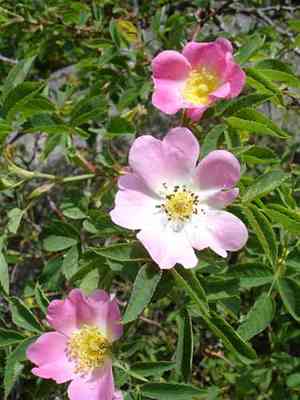
This spiny, leaf-shedding bush, recognized for its curving branches and light pink blossoms, flourishes with appropriate trimming. For glaucous dog rose, conduct pruning in late winter or early spring, while the plant is inactive but prior to the emergence of new shoots. Eliminate any deceased, injured, or inwardly directed branches to foster improved air movement. Sever older stems to stimulate revitalization. Pruning aids glaucous dog rose by preserving its form, boosting bloom output, and averting ailments. Employ sanitized, keen implements to execute accurate cuts for optimal outcomes.
What Are the Benefits of Pruning Glaucous Dog Rose?
What Are the Benefits of Pruning Glaucous Dog Rose?
Trimming glaucous dog rose can boost flowering, foster vigorous development, and help keep a desired shape. Thoughtful cuts enhance air flow, which can lower disease risk and strengthen plant vitality.
What Is the Best Time for Pruning Glaucous Dog Rose?
What Is the Best Time for Pruning Glaucous Dog Rose?
Late winter and early spring are considered optimal times for trimming glaucous dog rose due to various botanical and horticultural factors. During late winter, glaucous dog rose is dormant, meaning the plant's sap is not actively circulating. Pruning then minimizes sap loss and disease infection. Furthermore, without leaves, the plant's structure is clearer, allowing for more precise cuts, helping maintain proper shape and preventing stem overcrowding. Early spring pruning, just before new growth begins, is beneficial as it stimulates glaucous dog rose's development. This timing ensures that any cuts made will soon be followed by fresh, healthy shoots. Pruning at this stage is also excellent for removing dead or diseased wood, promoting overall plant vigor and preparing glaucous dog rose for the upcoming growing season. Additionally, since glaucous dog rose typically flowers on old wood, pruning in late winter or early spring will not negatively impact the blooming period.
What Tools Do I Need to Prune Glaucous Dog Rose?
Bypass pruners
Perfect for making clean cuts on the live, green stems of glaucous dog rose, bypass pruners offer accuracy without crushing delicate tissues, encouraging healthier regrowth.
Loppers
Equipped with long handles, loppers provide extended reach and leverage, useful for cutting thicker branches of glaucous dog rose that are beyond hand pruners' reach.
Pruning saw
A pruning saw is effective for removing the oldest and thickest canes of glaucous dog rose, improving air circulation and reducing disease risk.
Gloves
Robust gardening gloves are crucial to shield hands from the thorns of glaucous dog rose, ensuring safety during pruning.
Garden disinfectant
Disinfecting tools between cuts on glaucous dog rose prevents disease spread, maintaining plant health and vitality.
How to Prune Glaucous Dog Rose
Sanitizing tools
Clean and sterilize all pruning implements before beginning to prevent the spread of diseases to healthy parts of glaucous dog rose.
Removal diseased & dead material
Carefully remove any diseased leaves, withered foliage, dead branches, and infected branches from glaucous dog rose using sharp shears. Ensure cuts are made back to healthy tissue to promote good plant health.
Thinning out
Thin out overcrowded and crossing branches of glaucous dog rose to enhance air circulation and light penetration throughout the plant. This step encourages healthy new growth and lessens the chance of disease.
Shaping
Trim glaucous dog rose to maintain its desired form and size. Cut back any overgrown branches, ensuring cuts are made at a 45-degree angle just above an outward-facing bud to favor an outward growth habit.
Post pruning care
After pruning glaucous dog rose, dispose of all removed material and clean your tools again. Apply a suitable wound sealant if necessary to larger cuts to protect glaucous dog rose from pests and diseases.
Common Pruning Mistakes with Glaucous Dog Rose
Over-pruning
Cutting back glaucous dog rose too aggressively can stress the plant, hinder flowering, and potentially lead to disease by removing too many canes at once.
Improper cuts
Making angled cuts or leaving stubs can lead to water accumulation, fostering rot and disease. Proper cuts should be made just above a bud and be clean and straight.
Using dull tools
Dull or dirty pruning tools can harm the stems of glaucous dog rose, resulting in jagged cuts that are more vulnerable to pests and diseases.
Neglecting dead or diseased wood
Failing to remove dead, diseased, or damaged wood can impede plant health and vigor, as these can harbor pests and diseases.
Ignoring plant shape
Not considering the natural form of glaucous dog rose while pruning can result in an imbalanced or unnatural appearance, affecting its overall health and aesthetic.
Common Pruning Tips for Glaucous Dog Rose
Proper tool use
Employ clean, sharp secateurs or loppers for trimming glaucous dog rose to ensure precise cuts that will heal quickly, preventing disease.
Selective thinning
Remove only the oldest and least productive canes, which encourages new growth and improves air circulation, thereby minimizing disease risk.
Cutting angle
Make cuts at a 45-degree angle about 1/4 inch above a bud that faces away from the plant's center, ensuring outward growth and preventing water damage.
Maintaining balance
Prune glaucous dog rose to maintain an open vase shape, which allows light and air to penetrate the center, promotes healthy growth, and ensures ample flowering.
Health check
Regularly inspect glaucous dog rose for any signs of disease or damage during the growing season and remove any affected parts promptly to maintain the plant's health.



