How to Transplant Austrian yellow cress?
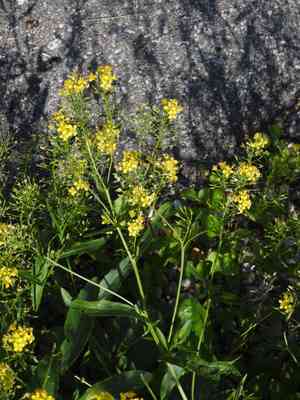
Relocate austrian yellow cress during the revitalizing period of early to late spring to ensure the best root development. Select a location bathed in sunlight with damp earth. Careful handling is essential due to their fragile root structures.
What Preparations are Needed Before Transplanting Austrian Yellow Cress?
What is the Ideal Time for Transplanting Austrian Yellow Cress?
The most favorable period to relocate austrian yellow cress is during the rejuvenating months of the year, when nature revives. This phase, from the gentle warmth of early blossoms to the full vibrancy of late spring, offers a mild climate and optimal ground conditions for austrian yellow cress to establish strong roots. Within this timeframe, the earth is damp, promoting robust root development, and the moderate temperatures encourage healthy growth without the strain of summer's intense heat. By selecting this season, you will provide austrian yellow cress with the best start in its new spot, with nature as its ally.
How Much Space Should You Leave Between Austrian Yellow Cress Plants?
Greetings, gardening enthusiast! When getting ready to transplant your austrian yellow cress, ensure each plant has adequate personal space. Aim to position them approximately 12-18 inches (30-46 cm) apart. This provides your austrian yellow cress ample room to expand and flourish!
What is the Best Soil Mix for Austrian Yellow Cress Transplanting?
To give your austrian yellow cress the finest beginning, prepare a welcoming environment with well-draining soil. Incorporating some compost works wonders as a foundational fertilizer. It will enrich your soil with nutrients and make it ready for planting!
Where Should You Relocate Your Austrian Yellow Cress?
Your austrian yellow cress enjoys absorbing sunlight but also appreciates some shade. Locate a spot that receives full to partial sun, ensuring your austrian yellow cress gets the necessary light without excessive heat during the peak afternoon hours.
What Equipments Should You Prepare Before Transplantation Austrian Yellow Cress?
Gardening Gloves
To safeguard your hands while handling soil and austrian yellow cress.
Spade or Shovel
To excavate the plant from its original location without harming the root system.
Garden Trowel
For precise digging and moving smaller quantities of soil during planting.
Watering Can or Hose
To hydrate the plant before extraction and after replanting.
Pruning Shears
To trim any damaged roots or excess foliage if required.
Wheelbarrow
For safely moving the austrian yellow cress between sites.
Measuring Tape
To accurately space the transplant location from other plants.
Plant Supports/Stakes
To offer stability to austrian yellow cress in its new spot, if it's a tall variety or needed.
How Do You Remove Austrian Yellow Cress from the Soil?
How Do You Remove Austrian Yellow Cress from the Soil?
From Ground: First, water the austrian yellow cress to moisten the soil, facilitating easier removal. Use a spade or shovel to dig a wide circle around the plant, sufficient to encompass the entire root ball. Gently work the tool beneath the root ball and carefully lift the austrian yellow cress out.From Pot: Water the soil in the pot beforehand. Tilt the pot sideways and gently tap it to loosen the soil. Use your hands to support the austrian yellow cress as it slides out. Avoid forceful pulling to prevent damage.From Seedling Tray: Dampen the soil in the tray to simplify removal. Use a small trowel or your fingers to gently lift the seedling of austrian yellow cress, ensuring to keep as much of the root system and soil intact as possible.
Step-by-Step Guide for Transplanting Austrian Yellow Cress
Preparation
Gather all necessary tools and prepare the new site by loosening the soil where austrian yellow cress will be placed.
Removal
Employ the appropriate method for the original location of austrian yellow cress (ground, pot, or seedling tray) to carefully remove the plant, preserving its root system.
Transplant Hole
Dig a hole at the new spot that is twice the width of the root ball and of the same depth to ensure the austrian yellow cress is planted at its previous growing level.
Placing austrian yellow cress
Position the austrian yellow cress in the center of the hole. Spread the roots naturally, backfill the hole with soil, and gently firm the soil around the plant.
Watering
After planting, thoroughly water the austrian yellow cress to settle the soil around the roots and help eliminate air pockets.
Stabilizing
If the austrian yellow cress is tall or requires support, insert a stake next to the plant and loosely tie it to the stake for stability.
How Do You Care For Austrian Yellow Cress After Transplanting?
Monitoring
Inspect the austrian yellow cress daily to observe its adaptation to the new location and address any issues like wilting or pest infestations.
Stabilizing
Ensure the plant is secure in its position and add additional stakes or supports if it becomes too tall or heavy.
Watering
Keep the soil around the austrian yellow cress moist during the initial weeks. Water deeply to encourage root growth, without over-saturating the soil.
Mulching
Apply a layer of mulch around the base of austrian yellow cress to retain moisture, regulate soil temperature, and inhibit weed growth.
Pruning
If any parts of austrian yellow cress were damaged during transplant, trim these to allow the plant to direct energy towards establishing new roots.
Troubleshooting Common Issues with Austrian Yellow Cress Transplantation.
Why are my austrian yellow cress seedlings wilting after transplanting?
Wilting may stem from shock or insufficient watering. Keep the soil damp but not waterlogged, and provide shade for a few days.
What is the ideal time to transplant austrian yellow cress?
The optimal time is during mild weather from early to late spring, avoiding extreme temperatures.
How far apart should I space austrian yellow cress when transplanting?
Aim for a spacing of 12-18 inches (30-45 cm) to provide each plant ample room for growth.
Should I prune austrian yellow cress before transplanting?
Only prune damaged or excessively long roots and foliage to minimize transplant stress.
What soil conditions are ideal for transplanting austrian yellow cress?
Prefer well-draining, fertile soil with a neutral pH. Amend with compost if necessary.
How much should I water austrian yellow cress after transplanting?
Water thoroughly post-transplant, then maintain consistent moisture until the plants are well-established.
Why isn't my austrian yellow cress growing after being transplanted?
Slow growth could be due to plant shock, unsuitable soil conditions, or inadequate watering.
What should I do if austrian yellow cress leaves turn yellow post-transplant?
Yellow leaves can indicate over-watering or nutrient deficiency. Check moisture levels and consider a balanced fertilizer.
How do I protect my newly transplanted austrian yellow cress from pests?
Regularly inspect for pests and use appropriate organic or chemical controls only when essential.
Can austrian yellow cress be transplanted on a hot day?
It is best to transplant on a cooler, overcast day to reduce stress on the plants.



