How to Prune Austrian yellow cress?
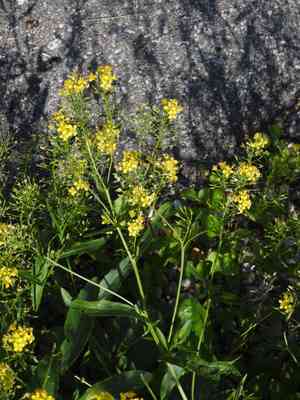
For austrian yellow cress, a perennial herb flourishing in moist environments, strategic trimming improves development and flowering. Perform pruning in the spring to eliminate deceased leaves and encourage fresh shoots. Throughout the summer, removing faded blossoms preserves aesthetics and inhibits self-propagation. Employ sharp, disinfected cutting tools for precise incisions. This targeted shaping aids in cultivating a dense, robust plant, fostering strong growth and potentially more vivid blooms in the subsequent year.
What Are the Benefits of Pruning Austrian Yellow Cress?
What Are the Benefits of Pruning Austrian Yellow Cress?
Trimming austrian yellow cress encourages more vigorous development by eliminating old or overgrown stems, thereby fostering healthier and stronger growth. Regular trimming also helps maintain austrian yellow cress's size and form, ensuring an appealing and well-kept appearance.
What Is the Best Time for Pruning Austrian Yellow Cress?
What Is the Best Time for Pruning Austrian Yellow Cress?
Trimming austrian yellow cress during late spring and early summer aligns with the post-dormancy growth surge and precedes the main flowering period. This timing allows gardeners to shape the plant and stimulate healthy new growth without hindering flower and seed production. Pruning in these seasons also aids in plant recovery, ensuring austrian yellow cress has ample time to heal before re-entering dormancy. Furthermore, the risk of disease transmission through pruning cuts is reduced during this period due to drier weather, which discourages the spread of pathogens common in more humid conditions.
What Tools Do I Need to Prune Austrian Yellow Cress?
Bypass Pruners
Perfect for making clean cuts on austrian yellow cress's stems, bypass pruners operate like scissors and inflict minimal damage to plant tissues, promoting healthy regeneration.
Gardening Shears
Austrian yellow cress may need shaping or thinning, for which gardening shears are suitable due to their precise cutting ability for removing smaller, more delicate growth.
Gloves
Though not a cutting tool, gloves are essential for protecting the gardener's hands from moisture and potential irritants when trimming austrian yellow cress.
Sharp Knife
For harvesting or precise cutting needs, a sharp knife can be used, especially when there's a need to cut close to the plant's base without harming adjacent stems or leaves.
How to Prune Austrian Yellow Cress
Clean tools
Before beginning, ensure all trimming tools are clean and sanitized to prevent disease spread. Use alcohol wipes or a diluted bleach solution to sterilize blades.
Remove diseased leaves
Carefully inspect austrian yellow cress for diseased leaves, indicated by unusual spots, discoloration, or decay. Gently snip these leaves off at the base of the leaf stem using sharp pruning shears, being careful not to harm nearby healthy growth.
Trim withered leaves
Identify withered or dead leaves on austrian yellow cress, which may appear dry, brown, or crumbly. Snip these leaves off at the base of the leaf stem to encourage healthy new growth and improve air circulation.
Cut diseased stems
Look for any stems on austrian yellow cress that show signs of disease, such as rotting, cankers, or unusual swellings. Cut these stems back to healthy tissue, ensuring a clean cut to promote quick healing. If the entire stem is diseased, remove it at the base.
Dispose trimmed material
Properly discard all removed material in a way that prevents it from contaminating other plants. Do not compost diseased plant parts, as the pathogens may survive and spread.
Common Pruning Mistakes with Austrian Yellow Cress
Over-pruning
Removing too much foliage from austrian yellow cress can stress the plant, hinder photosynthesis, and stunt growth. Gardeners should prune sparingly, removing only what is necessary.
Improper cut location
Incorrectly placed cuts can lead to disease or poor regrowth. Cuts should be made just above a leaf node or bud to promote healthy new growth.
Using dull tools
Dull trimming tools can cause jagged cuts that are more prone to infection. Always use sharp, clean tools for clean cuts.
Ignoring dead or diseased material
Neglecting to remove dead or diseased growth can inhibit austrian yellow cress's overall health and vigor. Diseased material should be discarded to prevent the spread of pathogens.
Pruning at random
Randomly cutting without understanding the growth pattern of austrian yellow cress can result in unattractive plants with poor structure. Pruning should be strategic and purposeful.
Common Pruning Tips for Austrian Yellow Cress
Sanitation
Prioritize cleanliness by sterilizing trimming tools before and after use to minimize disease transmission among plants.
Judicious cutting
Stage your trimming cuts to remove no more than one-third of austrian yellow cress's overall growth to avoid shock and encourage robust regrowth.
Focus on shape
Shape austrian yellow cress by trimming wayward branches and promoting a pleasing, natural form while maintaining the plant's structural integrity.
Encourage airflow
Thin out dense areas to improve air circulation around austrian yellow cress, which can reduce the likelihood of fungal diseases.
Attention to new growth
Direct austrian yellow cress's energy to desirable areas by trimming just above new leaf buds that face the direction you want the plant to grow.



