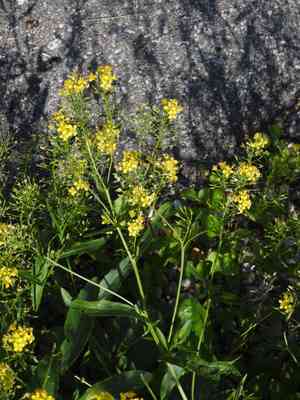
Austrian yellow cress (Rorippa austriaca)
Also known as: Austrian Yellowcress, Austrian fieldcress
Japanese Knotweed (Fallopia japonica) is a flowering plant that can grow up to 3-4 meters in height. Originally from East Asia, it has been introduced to North America, where it is now considered an invasive species. This plant often spreads clonally through extensive root and rhizome systems.
In This Article
Attributes of Austrian yellow cress
Lifespan
Perennial, Biennial
Plant Type
Herb
Plant Height
91 cm
Spread
Not applicable
Leaf Color
Green
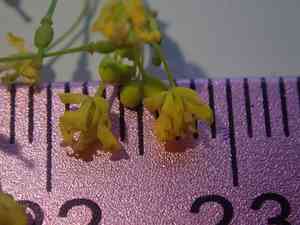
Flower Size
2.5 mm
Flower Color
Yellow
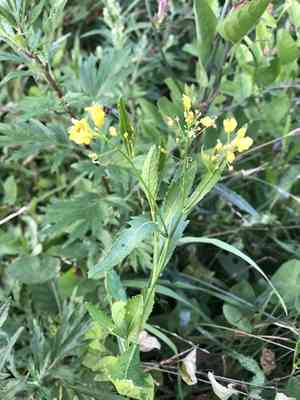
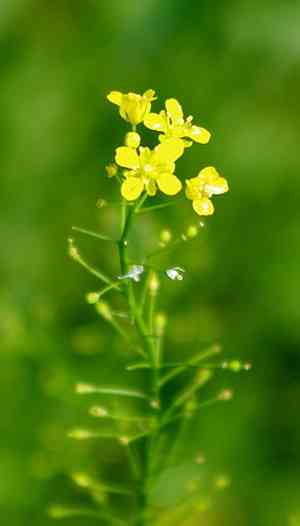
Images of Austrian yellow cress
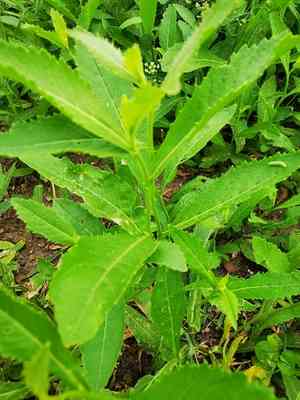
Quickly Identify Austrian yellow cress
1
Rorippa austriaca can be identified by its bright yellow flowers that grow in clusters, its pinnately divided leaves, and its elongated siliques (seed pods). The plant typically grows erect and has a branching stem.
Scientific Classification of Austrian yellow cress
Phylum
Vascular plants
Class
Dicotyledons
Order
Brassicales
Family
Cruciferae
Genus
Yellowcresses
Species
Austrian yellow cress
Planting and Growing of Austrian yellow cress
Care Difficulty
Easy
Watering Schedule
Every 4 days
Sunlight Requirements
Full sun
Sunshine Duration
6-10 hours
Ideal Temperature
60-75℉
Soil Type
Potting Mix, Peat Mix
Soil pH
6.5-7.5
Fertilizer Type
Balanced
Pruning Season
Spring, Summer
Pruning Area
Branches, Leaves
Pruning Frequency
2 times a year
Repotting Season
Spring
Pot Type
Plastic, Ceramic
 How to Water Austrian yellow cress?
Rorippa austriaca thrives best when its soil is consistently moist, akin to a well-saturated sponge that still holds its shape without dripping water excessively. The key is to maintain an evenly moist environment without creating waterlogged conditions, which could harm the plant. Therefore, watering should be sufficient to ensure the soil is thoroughly moist to a depth of about an inch or two.
What are the symptoms of an underwatered Austrian yellow cress?
›
What should I do if my Austrian yellow cress is not getting enough water?
›
What are the symptoms of an overwatered Austrian yellow cress?
›
How to save an overwatered Austrian yellow cress?
›
 What Are the Sunlight Requirements for Austrian yellow cress?
For optimal growth, Rorippa austriaca should be placed in full to partial sun environments. This ensures robust growth, vibrant foliage, and consistent flowering, enhancing aesthetic appeal and plant health.
What is the optimal lighting for Rorippa austriaca?
›
How to achieve ideal lighting for Rorippa austriaca?
›
What are the benefits of ideal lighting conditions for Rorippa austriaca?
›
 What Is the Ideal Temperature Range for Austrian yellow cress?
The ideal temperature range for growing Rorippa austriaca is between 60 and 75°F. These temperatures provide optimal conditions for photosynthesis and overall plant health, ensuring robust growth and development. Maintaining this temperature range encourages the most vigorous growth and flowering while minimizing stress.
 What Soil is Best for Austrian yellow cress?
Rorippa austriaca thrives in nutrient-rich soils, ensuring robust growth and vibrant foliage. Providing a soil mixture rich in organic matter helps maintain moisture levels and nurtures beneficial soil organisms that support plant health. While Rorippa austriaca prefers moist conditions, it is vital to ensure good drainage to prevent root rot. Incorporating well-aerated substrates allows excess water to escape, keeping roots healthy and resilient against common diseases associated with waterlogged soils. Keeping the soil consistently moist, without being waterlogged, supports the lush growth typical of Rorippa austriaca. This moisture level ensures that the plant can carry out its physiological processes efficiently, leading to better growth and development.
 How to Fertilize Austrian yellow cress?
The appropriate fertilizer amount for Rorippa austriaca involves moderate dosages tailored to its growth phases. During its active growth phase, use a balanced liquid fertilizer at a concentration of 50% of the recommended label dosage. Slow-release granules should not exceed 2 tablespoons annually per plant, distributed evenly around the base.
 How to Prune Austrian yellow cress?
Inspect the plant for any dead, diseased, or damaged stems and leaves. Carefully cut these parts away at their base to prevent the spread of disease and improve the plant's overall appearance. To improve air circulation and light penetration, selectively thin out overcrowded areas of the plant. This will help reduce the risk of fungal diseases and encourage healthier growth.
More About Pruning Techniques→
 How to Propagate Austrian yellow cress plant?
1
Scatter the seeds evenly on a tray filled with seed starting mix. Cover them lightly with soil, mist with water, and place the tray in a warm, bright location to encourage germination.
2
Select healthy, non-flowering stems and cut 4-6 inches sections below a node. Remove lower leaves to avoid rotting and dip the cut end in rooting hormone.
3
Carefully dig up the plant, ensuring you keep the root systems intact. Gently divide the clump into smaller sections, ensuring each section has sufficient roots, then replant immediately.
 How to Repot Austrian yellow cress plant?
1
Rorippa austriaca signals it's time to repot when you notice roots growing out of the drainage holes or a general decline in vitality. The ideal time to repot this plant is either in early spring as growth resumes or in autumn as it prepares for dormancy. This scheduling helps the plant recover quickly in a balanced growth period, minimizing stress.
2
Select a pot that is one size larger than the current one, ensuring it has good drainage holes. A slightly larger pot provides enough room for the roots to grow without overwhelming the plant with excess soil that might retain too much moisture. The material of the pot should also complement the plant's environmental needs; terracotta, for example, offers good breathability.
3
Opt for a well-draining loam mix that can retain moisture while still facilitating drainage. This soil type helps avoid waterlogged conditions that could lead to root rot. Ensuring a balanced mix will prevent the roots from suffocating, allowing them to breathe and absorb nutrients effectively.



