How to Transplant Downy currant?
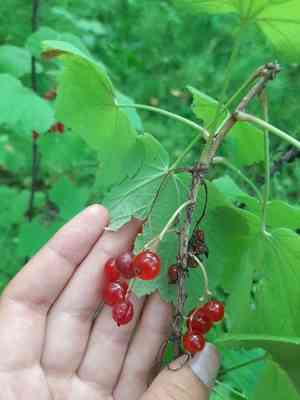
Downy currant flourishes when relocated during the period spanning early to mid-spring or from late autumn to early winter. Ideal circumstances involve dappled light and soil that drains effectively. Steer clear of direct sun exposure to guarantee robust development.
What Preparations are Needed Before Transplanting Downy Currant?
What is the Ideal Time for Transplanting Downy Currant?
The best time to move downy currant is from early to mid-spring and late autumn to early winter. This schedule allows the plant to develop roots in cooler, damp conditions, boosting its survival and growth. Transplanting during these periods reduces stress and encourages strong establishment before the active growing season or dormancy.
How Much Space Should You Leave Between Downy Currant Plants?
When relocating downy currant, position plants 4-6 feet (1.2-1.8 meters) apart to ensure ample room for development and sufficient air circulation, thereby lowering disease risk.
What is the Best Soil Mix for Downy Currant Transplanting?
Prepare the ground by ensuring it's a well-draining loam rich in organic matter. Incorporate a balanced base fertilizer suitable for perennials to give downy currant an excellent start.
Where Should You Relocate Your Downy Currant?
Select a site that receives full sun to partial shade. Downy currant will flourish best in a location where it gets at least 6 hours of sunlight daily.
What Equipments Should You Prepare Before Transplantation Downy Currant?
Gardening Gloves
To safeguard your hands while handling soil and the plant.
Shovel or Spade
For excavating the plant and creating a new hole at its destination.
Trowel
For smaller digging tasks and precise adjustments around the plant's root mass.
Garden Fork
Aids in loosening the soil around the root ball for effortless removal.
Watering Can/Hose
For hydrating the plant both before and after its relocation.
Pruners
To trim any damaged or excess roots during the transplanting process.
Mulch
To insulate the soil and retain moisture after transplant.
Garden Stakes and Ties
In case the plant requires support following its relocation.
How Do You Remove Downy Currant from the Soil?
How Do You Remove Downy Currant from the Soil?
From Ground: First, hydrate the downy currant plant to moisten the soil. Next, excavate a wide trench around the plant using a shovel or spade, ensuring the plant's root ball remains intact. Carefully work the spade beneath the root ball to lift the plant from its original spot.From Pot: Water the downy currant plant in its container to keep the root ball cohesive. Gently tap the pot's sides to loosen the soil. Invert the pot while supporting the plant's base and carefully slide the plant out with its root ball. If the plant is root-bound, gently separate the roots.From Seedling Tray: Water the downy currant plant in the seedling tray to facilitate removal. Use a trowel or your fingers to carefully lift the seedling by its leaves (not stem) and slide it out with the root ball. Be cautious not to harm the delicate roots.
Step-by-Step Guide for Transplanting Downy Currant
Plant Preparation
Thoroughly water the downy currant plant several hours prior to transplanting to minimize stress.
Create Planting Hole
Dig a hole at the new site that is twice as wide and equally deep as the downy currant's root ball to provide ample room for root expansion.
Plant Placement
Position the downy currant in the center of the hole, ensuring the top of the root ball is flush with the surrounding soil. Adjust the hole's depth if necessary.
Fill and Firm
Backfill the hole with soil, gently pressing it down around the root ball to eliminate air pockets. Be careful not to over-compact the soil.
Water Thoroughly
Deeply water the downy currant to help settle the soil around the roots. This encourages the roots to establish themselves in their new location.
Apply Mulch
Add a 2-3 inch layer of mulch around the base of the downy currant, leaving a gap around the stem to prevent rot. Mulch helps retain moisture and regulate soil temperature.
How Do You Care For Downy Currant After Transplanting?
Watering
Keep the soil around the downy currant consistently damp, but not waterlogged, for the initial weeks post-transplant to aid in developing strong roots.
Mulching
Ensure the mulch layer remains intact and replenish it as needed to maintain moisture and suppress weeds.
Monitoring
Regularly inspect the plant for signs of transplant shock, such as wilting or yellowing foliage. Adjust watering and provide shade if required.
Support
If necessary, utilize garden stakes and ties to support the downy currant until it develops a robust root system.
Troubleshooting Common Issues with Downy Currant Transplantation.
When is the best time to transplant downy currant?
Early to mid-spring, or late fall to early winter is optimal for relocating downy currant.
How much space should be between downy currant plants?
Ensure 4-6 feet (1.2-1.8 meters) of distance between each downy currant plant for proper growth.
How deep should I dig the hole for transplanting downy currant?
Excavate a hole twice as wide and as deep as the root ball of downy currant.
Should I prune downy currant before transplanting?
Yes, lightly trim downy currant to lessen stress on the plant during relocation.
How do I prepare the soil for downy currant?
Incorporate organic compost into the soil to enhance fertility and drainage before planting downy currant.
What is the best way to water downy currant after transplanting?
Water downy currant thoroughly and maintain consistent moisture, but avoid saturating the soil.
Do I need to mulch after transplanting downy currant?
Yes, apply a 2-3 inches (5-7.5 cm) layer of mulch to retain moisture and regulate temperature.
How can I support downy currant During the transplantation process?
Use stakes if needed to support downy currant and shield it from strong winds while it establishes.
What common issues should I watch for after transplanting downy currant?
Observe for signs of transplant shock, such as wilting or yellowing leaves, and adjust care as necessary.
How long does downy currant take to establish after transplanting?
Downy currant typically requires a few weeks to a couple of months to establish well after relocation.



