How to Prune Downy currant?
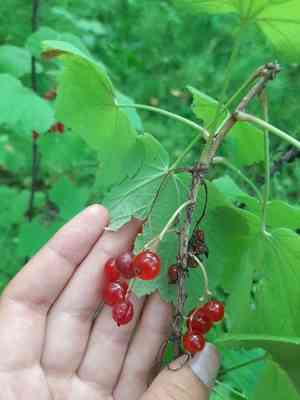
Distinguished by its velvety, fuzzy foliage and groupings of crimson fruit, downy currant greatly thrives with appropriate trimming. The most suitable times for pruning are late winter or very early spring, prior to the emergence of fresh shoots. Sever aged, barren branches at their base to stimulate robust new development and boost berry output. Reducing crowded sections improves light exposure and air movement, which are vital for the well-being and fruit-bearing of downy currant. By concentrating on these methods, cultivators can maximize both the plant's vitality and its berry harvest.
Advantages of Trimming Downy Currant
Advantages of Trimming Downy Currant
Trimming downy currant encourages robust development and maintains its desired form. Consistent cutting fosters healthier branches and denser foliage, boosting its aesthetic appeal and improving light penetration and air circulation within the plant.
Optimal Time for Pruning Downy Currant
Optimal Time for Pruning Downy Currant
Pruning downy currant in late winter or early spring is ideal, as this timing allows for the removal of dead or damaged branches before new growth begins. This period also minimizes plant stress and prevents sap bleeding, common if pruned later. Furthermore, pruning before dormancy ensures vigorous, healthy new growth, leading to a better fruit yield. This timing also avoids cutting developing buds that produce the current year's flowers and fruits.
Tools Required for Pruning Downy Currant
Hand Pruners
Perfect for making clean cuts on the smaller, more delicate stems of downy currant, enabling precise shaping and upkeep without harming the plant.
Lopping Shears
Useful for reaching deeper into thicker growth to manage branches with a slightly larger diameter. This tool helps achieve a healthy plant structure by removing denser branches that hand pruners cannot handle.
Pruning Saw
Essential for the occasional removal of old or dead wood too thick for lopping shears. The saw efficiently cuts through thicker branches, promoting better growth and health of downy currant.
How to Prune Downy Currant
Inspect
Thoroughly examine downy currant to identify diseased leaves, withered leaves, dead branches, and diseased branches. This focuses pruning efforts on promoting health and growth by removing parts that could impede the plant's vitality.
Sanitize
Sanitize your pruning tools to prevent disease spread. Use a solution of one part bleach to nine parts water to sterilize shears before and after pruning downy currant. This is crucial to avoid infecting healthy plant parts.
Prune diseased and dead
Remove all identified diseased and withered leaves, along with dead and diseased branches. Make clean cuts close to the main stem to promote healing, but avoid damaging healthy tissue. Removing these parts helps deter pests and diseases from spreading to healthier areas.
Prune for shape
Thin out dense areas of downy currant to enhance light penetration and air circulation within the canopy. This step is important for improving the plant's overall health and aesthetics, encouraging more balanced growth.
Disposal
Properly dispose of all removed parts. Do not compost diseased material, as it could harbor pests or fungal spores that might reintroduce the problem next season. Sealing in a plastic bag and discarding in the trash is often the safest method.
Common Pruning Errors with Downy Currant
Over-pruning
Removing too much foliage from downy currant at once can shock the plant, leading to reduced vigor and fewer berries. Maintaining balance is crucial; typically, no more than one-third of the plant should be removed in a single season.
Improper cutting technique
Clean, sharp cuts are vital for the health of downy currant. Dull or dirty pruning tools can create jagged cuts more susceptible to infections. Always use sterilized, sharp secateurs or loppers.
Neglecting older stems
Failing to remove older, less productive stems can lead to overcrowding and negatively impact the plant's overall health and berry production. Regularly removing older wood stimulates new growth, which is typically more fruitful.
General Pruning Advice for Downy Currant
Selective pruning
Focus on removing only the oldest stems, as these contribute less to the plant's productivity. Pruning back these stems encourages downy currant to produce new, more vigorous growth.
Maintain plant architecture
Keep the center of the plant relatively open to improve air circulation and light penetration, both crucial for healthy growth and disease prevention. Aim to create a vase-like shape by carefully selecting which branches to prune.
Post-harvest cleanup
After the fruiting season, remove any diseased or damaged wood. This helps prevent the spread of diseases and pests, keeping downy currant healthier and more productive in the following season.



