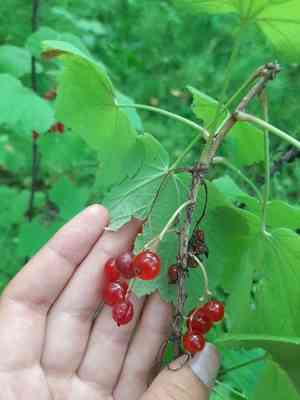
Downy currant (Ribes spicatum)
Also known as: Northern red currant
The downy currant (Ribes spicatum) is a hardy deciduous shrub commonly found in the moist, well-drained soils of boreal forests. It features uniquely lobed, toothed leaves and small, yellow-green flowers that mature into clusters of red or black berries. These berries are a crucial food source for various birds and mammals. The shrub's dense foliage offers essential shelter and nesting sites for wildlife, while its root system helps prevent soil erosion. Overall, the downy currant is integral to the ecosystem, enhancing biodiversity and facilitating nutrient cycling.
In This Article
Attributes of Downy currant
Lifespan
Perennial
Plant Type
Shrub
Plant Height
1-2 meters (3-6 feet)
Spread
1-1.5 meters (3-5 feet)
Leaf Color
Green
Flower Size
0.3-0.5 cm
Flower Color
Greenish-yellow
Images of Downy currant
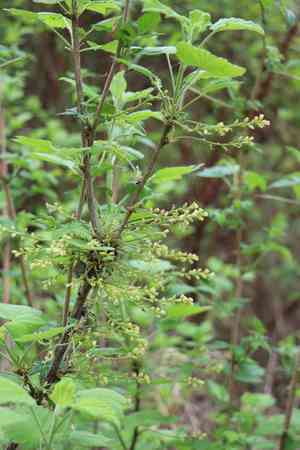
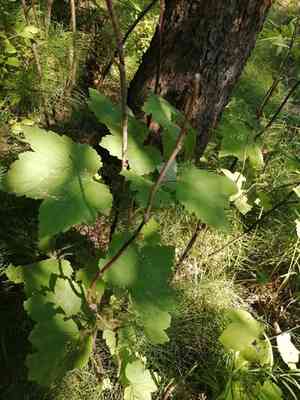
Quickly Identify Downy currant
1
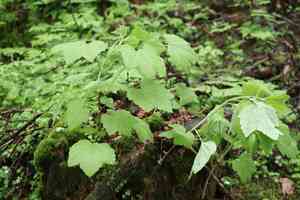
This plant can be identified by its lobed, hairy leaves and clusters of small, greenish-yellow flowers that develop into bright red berries. The leaves are typically 3-5 lobed and hairy underneath. Berries are glossy and red when mature.
Scientific Classification of Downy currant
Phylum
Vascular plants
Class
Dicotyledons
Order
Saxifragales
Family
Currant
Genus
Currants
Species
Downy currant
Planting and Growing of Downy currant
Care Difficulty
Easy
Watering Schedule
Every 4 days
Sunlight Requirements
Partial sun
Sunshine Duration
6-10 hours
Ideal Temperature
60-70℉
Soil Type
Potting Mix
Soil pH
6.5-7.5
Fertilizer Type
Balanced
Pruning Season
Spring, Summer
Pruning Area
Branches, Leaves
Pruning Frequency
2 times a year
Repotting Season
Spring
Pot Type
Plastic, Ceramic
 How to Water Downy currant?
Ribes spicatum requires careful watering. Aim to deeply water until the top 2-3 inches of soil feels consistently moist but not soggy. Ensure the water is evenly distributed across the root zone.
What are the symptoms of an underwatered Downy currant?
›
What should I do if my Downy currant is not getting enough water?
›
What are the symptoms of an overwatered Downy currant?
›
How to save an overwatered Downy currant?
›
 What Are the Sunlight Requirements for Downy currant?
The ideal lighting for Ribes spicatum is partial sunlight, which promotes balanced growth and maximizes health, ensuring that the plant thrives without stress.
What is the best location for Ribes spicatum?
›
How can I ensure my Ribes spicatum gets the ideal lighting?
›
What are the benefits of providing ideal lighting for Ribes spicatum?
›
 What Is the Ideal Temperature Range for Downy currant?
The ideal temperature range for cultivating Ribes spicatum lies between 60°F to 70°F. Within this range, the plant experiences optimal photosynthesis and metabolic activity, enhancing healthy growth. This temperature range is conducive to proper fruit development and optimal foliage health, ensuring the plant can thrive and resist common pests and diseases.
 What Soil is Best for Downy currant?
Ribes spicatum thrives in well-drained soil that prevents waterlogged roots, crucial for avoiding root rot. Healthy drainage ensures that nutrients are easily accessible, promoting robust plant growth and fruit production. The plant benefits from soil rich in organic matter, which provides essential nutrients. This nutrient-rich environment bolsters strong root systems and overall vitality, contributing to a productive berry harvest. Soil that retains moisture without becoming soggy supports Ribes spicatum by delivering essential hydration. This balance helps in sustaining the plant’s metabolic processes and enhancing resilience, especially during dry spells.
 How to Fertilize Downy currant?
To ensure robust growth for Ribes spicatum, it's essential to provide moderate amounts of fertilizer. Use approximately 1.5 ounces of liquid fertilizer per plant each month during the growing season.
 How to Prune Downy currant?
Begin by removing any dead or diseased branches to prevent the spread of infections. Aim to maintain an open structure that allows sunlight to penetrate and air to circulate, promoting healthy growth. Cut back older stems to encourage the growth of new, vigorous shoots. New shoots are more productive and will enhance the plant's overall yield, ensuring your Ribes spicatum remains fruitful. Thin out congested areas within the shrub's crown to improve light penetration and reduce the likelihood of fungal diseases. Selectively remove weaker, crossing branches for optimal plant health.
More About Pruning Techniques→
 How to Propagate Downy currant plant?
1
Harvest seeds from a mature Ribes spicatum plant and clean off any pulp. Dry them thoroughly before planting to ensure they do not rot.
2
Prepare a soil mixture that retains moisture but also drains well. A mix of peat moss and perlite is optimal for seed and cutting propagation.
3
Place seeds or cuttings in the prepared soil and water gently. Ensure the soil is moist but not waterlogged to promote healthy roots.
 How to Repot Downy currant plant?
1
Look for signs like roots coming out of the drainage holes or the plant becoming root-bound in its current pot. These indicate the need to repot Ribes spicatum for healthy growth.
2
Select a pot that is 2 inches larger in diameter than the current one. This helps in providing ample space for root expansion without causing excessive soil moisture.
3
Use a well-draining, rich-aged compost with neutral pH. This soil type promotes optimal water retention while preventing waterlogging, ensuring robust growth.



