How to Transplant Sierra gooseberry?
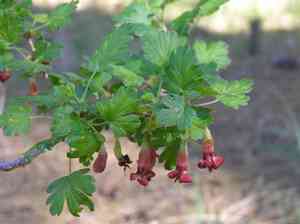
Relocate sierra gooseberry as new life and development commence, generally from early spring through late spring. Select a site featuring soil that drains effectively and offers partial sun exposure. Verify the chosen area replicates their natural environment for optimal outcomes.
What Preparations are Needed Before Transplanting Sierra Gooseberry?
What is the Ideal Time for Transplanting Sierra Gooseberry?
The best period to relocate your sierra gooseberry spans from early spring's awakening until late spring's full bloom. This timing allows the sierra gooseberry to establish its root system prior to the onset of summer heat. Moving it during this window enables your sierra gooseberry to benefit from mild temperatures and spring rainfall, promoting strong growth and easier acclimation to its new spot. This gentle transition ensures a smooth shift, helping your sierra gooseberry thrive in its new environment.
How Much Space Should You Leave Between Sierra Gooseberry Plants?
When relocating sierra gooseberry, ensure ample room for each plant to thrive. Aim for a separation of approximately 4-6 feet, or 1.2-1.8 meters. This provides sierra gooseberry sufficient area to expand and aids in air circulation.
What is the Best Soil Mix for Sierra Gooseberry Transplanting?
For sierra gooseberry, you'll want to prepare the soil by selecting a location with good drainage. Incorporate a foundational fertilizer rich in organic matter to enrich the soil. A balanced slow-release fertilizer or compost can work exceptionally well for sierra gooseberry.
Where Should You Relocate Your Sierra Gooseberry?
When selecting a site for your sierra gooseberry, seek an area that receives partial shade to full sun. Sierra gooseberry enjoys sunlight but appreciates some protection during the day's hottest hours. A spot meeting these criteria will result in happy plants!
What Equipments Should You Prepare Before Transplantation Sierra Gooseberry?
Gardening Gloves
To safeguard your hands while handling soil and the thorny parts of the sierra gooseberry.
Shovel or Spade
For excavating the sierra gooseberry and preparing the new planting site.
Wheelbarrow or Garden Cart
To move the sierra gooseberry from one spot to another.
Garden Fork
To loosen soil around the rootball and in the new planting area.
Watering Can or Hose
For hydrating the sierra gooseberry before and after its relocation.
Pruning Shears
To trim any damaged roots or stems if necessary.
Measuring Tape
To correctly space plants according to their mature size.
Mulch
To apply around the base of the sierra gooseberry once transplanted, to retain moisture and control weeds.
Stakes or Plant Supports
To secure the sierra gooseberry if it's top-heavy or needs support after transplanting.
How Do You Remove Sierra Gooseberry from the Soil?
How Do You Remove Sierra Gooseberry from the Soil?
From Ground: Water the sierra gooseberry thoroughly to soften the earth. Dig a wide circle around the plant with a shovel or spade, going deeper than the root ball. Gently pry the shovel underneath to lift the plant, keeping the root ball and surrounding soil as intact as possible.From Pot: Start by watering the sierra gooseberry, which can help loosen the root ball. Tilt the container and gently tap its sides to loosen the edges. Use your fingers or a garden fork to carefully separate the roots from the pot, and gently remove the plant without yanking or pulling hard.From Seedling Tray: Water the seedlings so the soil is moist, making extraction easier. Use a small tool or your fingers to gently push up from the bottom of the cell to lift the seedling. Make sure to move slowly and support the seedling by the root ball, rather than tugging on the stems or leaves.
Step-by-Step Guide for Transplanting Sierra Gooseberry
Preparation
Thoroughly water the sierra gooseberry several hours before you intend to transplant it to ensure the soil and roots are well hydrated.
Digging Hole
In the new location, excavate a hole that is twice as wide and just as deep as the root ball of the sierra gooseberry. Loosen the soil at the bottom of the hole with a garden fork.
Plant Positioning
Place the sierra gooseberry in the center of the hole, ensuring it sits at the same depth it was originally growing. Adjust the soil level at the bottom of the hole if needed.
Fill In
Backfill the hole with soil, gently pressing down around the roots to eliminate any large air pockets. Make the soil level with the surrounding ground.
Supporting
If the sierra gooseberry is large or top-heavy, firmly insert stakes into the ground and loosely tie them to the plant for support.
Watering
Water deeply at the base of the sierra gooseberry, ensuring the root zone is thoroughly moistened.
Mulching
Apply a layer of mulch around the base, but not touching the stems, to help retain soil moisture and regulate temperature.
How Do You Care For Sierra Gooseberry After Transplanting?
Initial Watering
Water the sierra gooseberry generously after transplanting, and keep the soil consistently moist for the first few weeks while the roots establish.
Checking Stakes
Regularly inspect any stakes or supports to ensure they remain secure and adjust as necessary as the sierra gooseberry grows.
Observation
Monitor the sierra gooseberry for indications of stress, such as wilting or discolored leaves, and respond appropriately with suitable care.
Mulch Management
Keep the mulch refreshed and ensure it's not piled against the stems, as this can promote rot.
Pruning
Trim any damaged or dead growth with pruning shears to encourage healthy new growth and maintain the plant's shape.
Troubleshooting Common Issues with Sierra Gooseberry Transplantation.
What's the best time of year to transplant sierra gooseberry?
The ideal transplanting period is from early to late spring, when growth is most active.
How far apart should I space sierra gooseberry when transplanting?
Allow sierra gooseberry ample room to thrive by spacing them 4-6 feet (1.2-1.8 meters) apart.
What kind of soil is best for transplanting sierra gooseberry?
Select well-draining soil, rich in organic matter, to encourage robust root development.
How much should I water sierra gooseberry after transplanting?
Initially water thoroughly to settle the soil, then regularly to maintain moisture without waterlogging.
Why are my transplanted sierra gooseberry wilting?
Wilting can indicate shock, insufficient water, or root damage during transplant. Check soil moisture and roots.
Should I fertilize sierra gooseberry after transplanting?
Wait 4-6 weeks post-transplant before applying a balanced slow-release fertilizer to prevent root burn.
How deep should I plant sierra gooseberry when transplanting?
Dig a hole as deep as the root ball and twice as wide to promote root spread.
Can sierra gooseberry be transplanted in full sun?
Yes, sierra gooseberry thrives in full sun to partial shade; ensure the spot mimics its natural environment.
My sierra gooseberry shows leaf discoloration after transplanting, why?
Possible causes include root stress, over-watering, or nutrient deficiency. Adjust care accordingly.
How do I protect sierra gooseberry from transplant shock?
Minimize root disturbance, water thoroughly, and shield from extreme temperatures to reduce shock risks.



