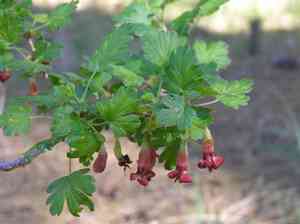
Sierra gooseberry (Ribes roezlii)
Also known as: Sierran gooseberry
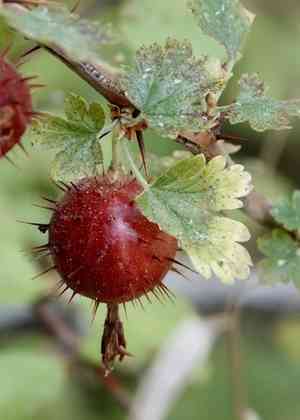
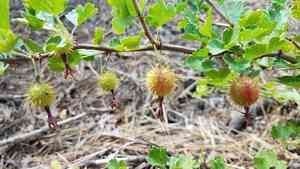
Sierra gooseberries, a type of currant found in the high elevations of the western U.S., are large, red or purple berries with spiny exteriors. Bears consume these berries and help in spreading their seeds.
In This Article
Attributes of Sierra gooseberry
Lifespan
Perennial
Plant Type
Shrub
Plant Height
1.2 m to 1.5 m
Spread
1.2 m to 1.5 m
Leaf Color
Green
Flower Size
1.5 cm
Flower Color
Purple Red
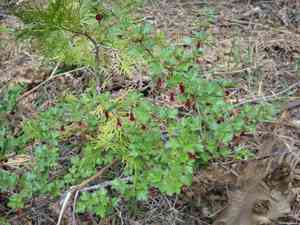
Images of Sierra gooseberry
Quickly Identify Sierra gooseberry
1
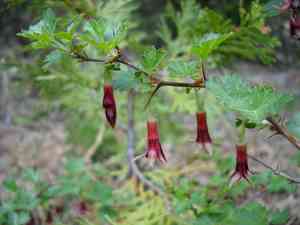
To identify Ribes roezlii, look for its hairy, prickly stems and leaves with deeply lobed margins. The flowers are small and bell-shaped, often red or pink, and the fruits are spiny berries.
Scientific Classification of Sierra gooseberry
Phylum
Vascular plants
Class
Dicotyledons
Order
Saxifragales
Family
Currant
Genus
Currants
Species
Sierra gooseberry
Planting and Growing of Sierra gooseberry
Care Difficulty
Moderate
Watering Schedule
Every 2 days
Sunlight Requirements
Full sun
Sunshine Duration
4-8 hours
Ideal Temperature
60-75℉
Soil Type
Potting Mix, Peat Mix
Soil pH
6.5-7.5
Fertilizer Type
Balanced
Pruning Season
Spring, Summer
Pruning Area
Branches, Leaves
Pruning Frequency
2 times a year
Repotting Season
Spring
Pot Type
Plastic, Terracotta
 How to Water Sierra gooseberry?
Ribes roezlii prefers its soil to be moist but not soggy. When watering, aim for approximately 250 ml per session, ensuring that the water penetrates the soil deeply but dries out between watering sessions. This promotes healthy root growth and prevents waterlogging.
What are the symptoms of an underwatered Sierra gooseberry?
›
What should I do if my Sierra gooseberry is not getting enough water?
›
What are the symptoms of an overwatered Sierra gooseberry?
›
How to save an overwatered Sierra gooseberry?
›
 What Are the Sunlight Requirements for Sierra gooseberry?
Ribes roezlii prefers a light range of 6 to 8 hours of full to partial sunlight. Optimal light ensures healthy photosynthesis, leading to vibrant growth and increased flowering.
More About Sunlight Requirements Techniques→
What is the best light condition for Ribes roezlii?
›
How can I achieve the ideal lighting for Ribes roezlii in my garden?
›
What are the benefits of Ribes roezlii receiving ideal sunlight?
›
 What Is the Ideal Temperature Range for Sierra gooseberry?
For optimal growth, Ribes roezlii thrives best between 60°F and 75°F. This temperature range allows the plant to maximize its photosynthetic activity while ensuring proper nutrient uptake and growth rates. Exposure to this temperature range will ensure that the plant maintains its vitality and produces fruit efficiently.
 What Soil is Best for Sierra gooseberry?
Ribes roezlii thrives best in well-drained soil, as it prevents root rot by allowing excess water to escape easily. This feature is crucial for the plant's healthy root development and overall vigor. The plant prefers soil with moderate fertility. Nutrient-rich soils support robust growth and berry production. Ensuring balanced fertility optimizes plant health without overstimulation. Incorporating organic matter such as compost enhances soil structure and water retention. This enriches the soil environment, providing essential nutrients and improving plant vitality.
 How to Fertilize Sierra gooseberry?
When fertilizing Ribes roezlii, it is important to use a balanced 10-10-10 fertilizer. For liquid fertilizers, apply approximately 1 tablespoon per gallon of water, ensuring you soak the root zone thoroughly. For slow-release fertilizers, distribute about 1/4 cup evenly around the base of the plant, taking care not to let it touch the plant stem.
 How to Prune Sierra gooseberry?
For effective pruning of Ribes roezlii, you will need sharp pruning shears or scissors. Make sure your tools are clean and disinfected to prevent the spread of diseases. Before you start pruning, identify which branches need trimming. Focus on dead, diseased, or crossing branches. Branches growing towards the center of the plant should also be removed to enhance air circulation. When pruning, make clean cuts at a slight angle just above a node or bud. This will encourage new growth and prevent water from collecting on the cut surface, which can lead to rot. Once pruning is completed, consider feeding the plant with a balanced fertilizer to promote robust regrowth. Mulching around the base can help retain moisture and suppress weeds.
More About Pruning Techniques→
 How to Propagate Sierra gooseberry plant?
1
Gather ripe seeds directly from the plant when the fruit is mature. Clean them thoroughly to remove any pulp before sowing.
2
Select healthy branches and make clean cuts at a node. Remove any leaves near the base of the cutting to reduce moisture loss.
3
Dip the cut end in rooting hormone and plant it in a well-draining medium. Ensure that the medium is moist but not waterlogged.
 How to Repot Sierra gooseberry plant?
1
Ribes roezlii typically benefits from repotting when you notice the roots starting to circle the edge of the pot or growing out of drainage holes. Signs like reduced growth or water not being absorbed well are good indicators of needing a repot.
2
Choose a pot with adequate drainage, as Ribes roezlii prefers soil that doesn’t retain excess moisture. A ceramic or clay pot can be beneficial as they are breathable, helping regulate soil moisture and temperature effectively, thus promoting healthy root growth.
3
Opt for a well-draining, sandy loam soil mix that mimics the shrub’s natural environment. This type of soil ensures adequate drainage, preventing waterlogging, and provides essential nutrients, fostering healthy growth.



