How to Prune Sierra gooseberry?
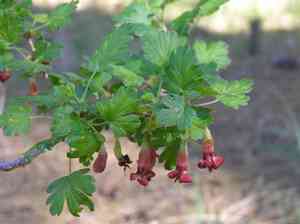
A spiny, leaf-shedding bush producing edible fruit, Ribes roezlii thrives with trimming to preserve its form, vitality, and berry yield. Conduct pruning of Ribes roezlii in late spring or early summer following the berry collection. Eliminate any deceased or ailing branches, reduce the density of aged stems, and cut back feeble growth to stimulate the emergence of new shoots. Pruning during this period fosters robust development while preventing harm to the subsequent season's blossoms, which is crucial for maximum fruit bearing. Correct methodology improves air movement and lowers the likelihood of illness.
What Are the Benefits of Pruning Sierra Gooseberry?
What Are the Benefits of Pruning Sierra Gooseberry?
Trimming sierra gooseberry encourages more abundant flowering and eliminates diseased or pest-ridden branches, helping to sustain plant health and vitality.
What Is the Best Time for Pruning Sierra Gooseberry?
What Is the Best Time for Pruning Sierra Gooseberry?
Pruning sierra gooseberry from late spring to early summer coincides with the period after blooming, allowing gardeners to trim without disrupting flowers. This timing ensures that energy stored from the previous growth season can support recovery and stimulate healthy new growth. Pruning during this window also minimizes the risk of frost damage to fresh cuts, as the threat of late frosts has typically passed. Additionally, this period precedes the fruit development phase, preventing potential loss of fruit yield caused by pruning during fruiting. Trimming sierra gooseberry in this optimal timeframe supports its vigor, contributes to a robust structure, and maintains plant health.
What Tools Do I Need to Prune Sierra Gooseberry?
Hand Pruners
For precise and clean cuts on sierra gooseberry's smaller stems and branches, hand pruners are essential. They should be bypass-type, which cut like scissors, to avoid crushing the delicate stems of sierra gooseberry.
Loppers
These are perfect for cutting thicker branches of sierra gooseberry that are too large for hand pruners. Loppers will provide the necessary leverage to make clean cuts without harming the plant.
Pruning Saw
When dealing with the thickest branches of sierra gooseberry, a pruning saw is required. This will allow gardeners to remove large branches without tearing or damaging the surrounding growth.
Gloves
Hand protection is crucial due to sierra gooseberry's thorns. Durable gloves will shield gardeners from scratches and offer a better grip on pruning tools.
Disinfectant
To prevent the spread of disease while pruning sierra gooseberry, it is vital to disinfect pruning tools between cuts using either alcohol or bleach solution.
How to Prune Sierra Gooseberry
Cleanup
Begin by removing any diseased or withered leaves from sierra gooseberry. Carefully inspect the plant and trim off these parts using clean, sharp pruning shears to prevent disease spread and promote healthy growth. Dispose of the removed material properly, not in the compost, to avoid contamination.
Deadwood
Identify and cut away any dead or diseased branches from sierra gooseberry, making cuts at a 45-degree angle just above a healthy bud or lateral branch. Ensure a clean cut to facilitate quick healing and avoid potential disease entry points.
Shape
Trim back faded flowers and control sierra gooseberry's shape by removing excessive growth branches. This will help maintain a desirable size and encourage air circulation, which reduces the risk of disease.
Thinning
Thin out the inner canopy of sierra gooseberry by selectively pruning branches that are crossing or growing inward to improve sunlight penetration and increase fruit production.
Maintenance
Perform regular maintenance checks on sierra gooseberry post-pruning to ensure that any new disease or withered symptoms are addressed promptly to maintain plant health and vigor.
Common Pruning Mistakes with Sierra Gooseberry
Over pruning
Removing too much growth can stress sierra gooseberry, leading to reduced vigor and fewer flowers. Generally, it's advisable not to remove more than a third of the plant in a single pruning session.
Cutting too close
Cutting branches too close to the main stem can create wounds on sierra gooseberry that are susceptible to disease and pests. Leave a small stub when removing branches to promote faster healing.
Uneven pruning
Pruning sierra gooseberry unevenly can result in an aesthetically unpleasing shape and can also negatively impact its overall health and fruit production.
Neglecting dead wood
Failing to remove dead or diseased wood can hinder sierra gooseberry's growth and expose the plant to further diseases or pest infestation.
Improper tool use
Using dull or dirty tools can cause damage to the branches of sierra gooseberry, leading to ragged cuts that are more prone to disease and pest intrusion.
Common Pruning Tips for Sierra Gooseberry
Sharp clean tools
Ensure that pruning tools are sharp and clean before starting. Clean cuts heal quicker and reduce the risk of spreading diseases to sierra gooseberry.
Open center
Prune sierra gooseberry to create an open center, allowing light and air penetration to the middle of the plant which helps reduce disease occurrence and encourages even fruit ripening.
Consecutive growth
Focus on removing older wood to make room for consecutive growth. Sierra gooseberry produces the best fruit on one- to two-year-old branches.
Moderation
Practicing moderation in pruning; it's better to prune sierra gooseberry a little each year rather than a lot every few years.
Natural shape
Aim to maintain the natural shape of sierra gooseberry when pruning. Excessive shaping can reduce fruit production and the ornamental value of the plant.



