How to Transplant Gooseberry currant?
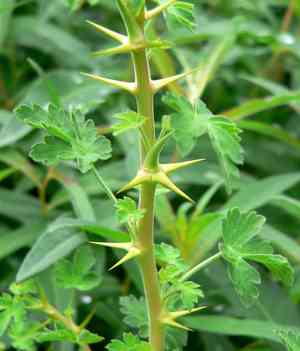
Relocate gooseberry currant during the onset of spring (from early to mid-spring), utilizing the season's favorable growth period. Choose a location that receives ample sunlight and drains effectively. If desired, enhance the soil with advice on delicate nurturing for successful root establishment.
What Preparations are Needed Before Transplanting Gooseberry Currant?
What is the Ideal Time for Transplanting Gooseberry Currant?
The perfect time for moving gooseberry currant is during the onset of spring, typically from late March to early May. Relocating it within this timeframe allows gooseberry currant to benefit from the full growing season for establishment. This schedule ensures gooseberry currant roots comfortably in mild temperatures and gains from increased moisture, promoting strong development. A more favorable period is hard to find, as the pleasant weather conditions enable gooseberry currant to flourish in its new spot, promising abundant growth.
How Much Space Should You Leave Between Gooseberry Currant Plants?
When getting ready to introduce gooseberry currant to your garden, imagine providing them ample room to thrive! Aim for a generous arrangement, with each gooseberry currant having a space of 4-6 feet (1.2-1.8 meters) from its neighbors. This wide spacing will encourage healthy development.
What is the Best Soil Mix for Gooseberry Currant Transplanting?
Provide a supportive base for gooseberry currant by preparing the bed with well-draining soil. It prefers a good blend of loam and organic material. Applying a balanced, slow-release fertilizer will give gooseberry currant a strong start in its new location.
Where Should You Relocate Your Gooseberry Currant?
Find a bright spot where gooseberry currant can enjoy partial to full sunlight. This location should offer them daily exposure to sunbeams, yet provide some gentle shade. Happy planting!
What Equipments Should You Prepare Before Transplantation Gooseberry Currant?
Gardening Gloves
To safeguard your hands while handling soil and plants.
Shovel or Spade
For excavating the plant and preparing the new planting site.
Garden Fork
To gently loosen the soil surrounding the plant's root system.
Watering Can or Hose
To hydrate the plant before and after its relocation.
Wheelbarrow or Garden Cart
For effortless transportation of the plant and soil, especially for larger specimens.
Pruning Shears
To trim any damaged roots or branches prior to transplanting.
Mulch
To aid in retaining soil moisture and inhibiting weed growth post-transplant.
How Do You Remove Gooseberry Currant from the Soil?
How Do You Remove Gooseberry Currant from the Soil?
From Ground: Hydrate the gooseberry currant plant to moisten the soil, assisting in its removal. Use a shovel or spade to dig a wide trench around the plant, being careful not to harm the root ball. Slide the spade under the root ball and gently lift it from the ground, keeping as much soil around the roots as possible.From Pot: Water the gooseberry currant to make its roots more flexible. Turn the pot on its side, lightly tap the bottom, and carefully slide the plant out. Support the plant by its base and avoid pulling it out by the stems or leaves.From Seedling Tray: Water the tray to soften the growing medium. Gently push from the bottom of the cell to lift the seedling. Handle it by the leaves or the root ball to prevent damage to the delicate stem.
Step-by-Step Guide for Transplanting Gooseberry Currant
Preparation
Ensure the new planting site is ready before beginning the transplant. The hole should be twice the width of the root ball and of equal depth.
Root Pruning
Trim any broken or injured roots with pruning shears, ensuring clean cuts for improved healing and growth.
Planting Hole
Dig a hole with ample room for the root ball. Loosen the surrounding soil with a garden fork to encourage root spread.
Placement
Gently position gooseberry currant into the hole, making sure it stands upright and is at the same depth it was previously growing.
Backfilling
Partially fill the hole with soil, water deeply to eliminate air pockets, then continue filling until the soil level matches the surrounding ground.
Watering
Give gooseberry currant a thorough watering to settle the soil around its roots and aid in recovery from transplant shock.
Mulching
Apply a layer of mulch around the base of gooseberry currant, keeping it a few inches away from the stem to prevent rot.
How Do You Care For Gooseberry Currant After Transplanting?
Monitoring
Regularly check the plant for indications of stress such as drooping leaves or stem discoloration.
Watering
Maintain consistent moisture levels in the soil to support the establishment of gooseberry currant, especially during the initial weeks.
Mulching
Keep the mulch layer refreshed to retain soil moisture and regulate temperature.
Pruning
Remove any dead or damaged branches to promote healthy growth and enhance air circulation.
Staking
If gooseberry currant is tall or becomes top-heavy, provide support with a stake to prevent it from leaning or being uprooted by winds.
Troubleshooting Common Issues with Gooseberry Currant Transplantation.
When is the best time to transplant gooseberry currant?
The optimal period for transplanting gooseberry currant is early to mid-spring, taking advantage of cooler temperatures and moist soil conditions.
What spacing is necessary for gooseberry currant after transplanting?
Post-transplant, gooseberry currant needs sufficient space, ideally 4-6 feet (1.2-1.8 meters) apart, to ensure healthy development and air circulation.
How deep should the hole be for transplanting gooseberry currant?
The hole should be just deep enough to accommodate gooseberry currant's root ball without burying the stem's baseâtypically about the same depth as its original container.
Why are my gooseberry currant's leaves wilting after transplanting?
Wilting after transplant can signal shock or insufficient water. Ensure gooseberry currant is adequately watered and the soil remains moist but drains well.
How much should I water gooseberry currant after transplanting?
Immediately after transplanting, water gooseberry currant generously to settle the soil around its roots. Afterward, continue with moderate, regular watering.
Should I prune gooseberry currant when transplanting?
Minimal pruning is advised to remove any damaged or diseased branches. This helps gooseberry currant direct energy towards root development.
How can I tell if gooseberry currant is getting enough sunlight after transplanting?
Gooseberry currant thrives in full to partial sunlight. Observe the plant for vigorous growth and lush, green foliage to confirm it receives adequate light.
What is the ideal soil pH for gooseberry currant after transplanting?
Gooseberry currant prefers slightly acidic to neutral soil, with pH levels ranging from 6.0 to 7.0 for optimal growth.
How to protect gooseberry currant from transplant shock?
Gradually acclimate gooseberry currant to outdoor conditions and transplant on a cloudy day to minimize shock. Keep the roots moist and undisturbed as much as possible during the process.
Can I fertilize gooseberry currant right after transplanting?
Wait for gooseberry currant to establish before applying fertilizer. Typically, fertilizing a few weeks after transplanting with a balanced, slow-release fertilizer works best to support growth without overwhelming the plant.



