How to Prune Gooseberry currant?
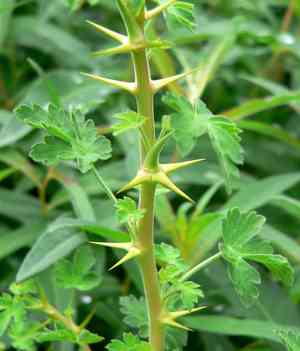
This leafy shrub, recognized for its palatable fruits and divided green foliage, thrives with consistent trimming. Essential methods involve eliminating lifeless or compromised branches and reducing mature stalks to stimulate new development and fruit yield. The most effective time for pruning is in late winter or early spring, while the plant is inactive. Meticulous pruning guarantees enhanced air movement and light exposure within the plant's structure, fostering a more robust and fruitful gooseberry currant.
What Are the Benefits of Pruning Gooseberry Currant?
What Are the Benefits of Pruning Gooseberry Currant?
Trimming gooseberry currant promotes robust development and maintains its desired form. Strategic cuts help rejuvenate the plant, ensuring it directs energy towards producing strong stems and foliage, vital for a healthy life cycle. Pruning also manages excessive growth, enhancing gooseberry currant's visual appeal.
What Is the Best Time for Pruning Gooseberry Currant?
What Is the Best Time for Pruning Gooseberry Currant?
Pruning gooseberry currant in late winter before new growth emerges allows the plant ample time to recover prior to its active spring growth phase. This timing is critical as it reduces the risk of disease entering pruning wounds during damp spring weather. Early spring is also suitable, enabling gardeners to remove winter damage before growth resumes. During this period, pruning can stimulate new growth that will bear flowers and fruit. It's important to avoid pruning too late into spring or summer, as this can remove new growth and potential fruit-bearing wood. Pruning during dormancy also offers a clear view of the plant's structure, facilitating more effective shaping and thinning.
What Tools Do I Need to Prune Gooseberry Currant?
Hand Pruners
For shaping and removing thinner branches of gooseberry currant, hand pruners, also known as secateurs, provide precise cuts and allow gardeners to maneuver around the plant carefully. Opt for bypass pruners over anvil types for cleaner cuts that encourage quicker healing.
Loppers
When dealing with thicker branches up to 2 inches in diameter, loppers offer the necessary leverage. Their long handles ensure access into the dense growth of gooseberry currant without harming the plant's structure.
Pruning Saw
For the thickest branches that neither hand pruners nor loppers can manage, a pruning saw is recommended. This tool is essential for making clean cuts through hard wood without tearing, which is crucial for the health of gooseberry currant.
Gloves
To protect hands from thorns and rough bark while pruning gooseberry currant, a durable pair of gardening gloves is necessary. Gloves also provide a better grip on the tools, enhancing safety and precision during the pruning process.
How to Prune Gooseberry Currant
Disinfect tools
Before beginning, ensure all pruning tools are cleaned and disinfected to prevent the spread of disease to or from gooseberry currant.
Remove diseased parts
Identify and trim off any diseased leaves and branches. Make cuts well into healthy tissue to ensure all parts of the disease are removed from gooseberry currant.
Clear dead material
Cut away all withered leaves and dead branches. These can be identified by their brittle texture and discolored appearance on gooseberry currant.
Thin interior
Thin the interior of gooseberry currant to increase air circulation and light penetration. Carefully remove any branches that cross or are growing inward.
Shape plant
Shape gooseberry currant to maintain its natural form, removing any wayward branches that disrupt the plant's symmetry or intended shape.
Common Pruning Mistakes with Gooseberry Currant
Over-pruning
Removing too much growth at once can stress gooseberry currant and may lead to poor plant health or reduced fruit production.
Blunt tools
Using dull or dirty pruning tools can damage branches and leave gooseberry currant vulnerable to pests and diseases.
Neglecting diseased material
Failing to remove diseased or dead branches during pruning can spread pathogens and weaken gooseberry currant, reducing its vigor and productivity.
Pruning without a plan
Random or excessive cuts can result in an unbalanced structure or remove too many fruiting branches, hampering the plant's aesthetic and fruiting capabilities.
Ignoring plant shape
Not considering the natural shape and growth habit of gooseberry currant can result in a less productive plant and may affect its overall health and appearance.
Common Pruning Tips for Gooseberry Currant
Clean cuts
Ensure cuts are clean and precise to promote quick healing and minimize stress on gooseberry currant.
Tool sterilization
Regularly disinfect pruning tools before use on gooseberry currant to prevent the spread of disease.
Thin out
Thin out crowded branches to improve air circulation and light penetration, which will benefit the overall health of gooseberry currant and aid in fruit production.
Prune strategically
Target specific goals such as shape retention, removal of suckers, or encouraging new growth while pruning gooseberry currant to maintain plant structure and vigor.
Regular maintenance
Perform regular maintenance pruning to remove dead, diseased, or crossing branches, which is essential for keeping gooseberry currant healthy and well-shaped.



