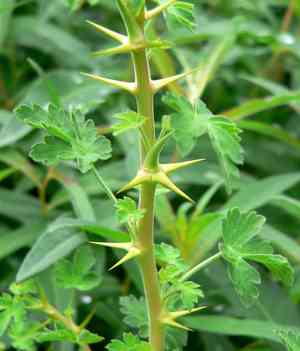
Gooseberry currant (Ribes montigenum)
Also known as: Mountain gooseberry
Ribes montigenum, also known as mountain gooseberry, alpine prickly currant, and western prickly gooseberry, is native to western North America. This species thrives in high-altitude regions, commonly found in rocky areas and near the bases of coniferous trees.
In This Article
Attributes of Gooseberry currant
Lifespan
Perennial
Plant Type
Shrub
Plant Height
20 cm to 1.02 m
Spread
1.5 m
Leaf Color
Green
Flower Size
6 mm
Flower Color
Yellow Pink Red
Images of Gooseberry currant
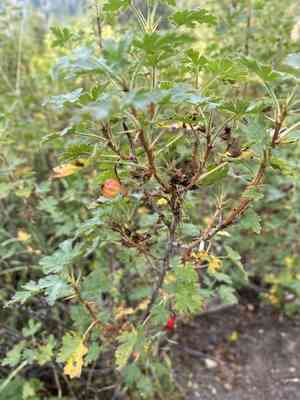
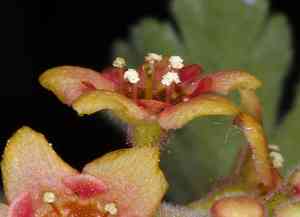
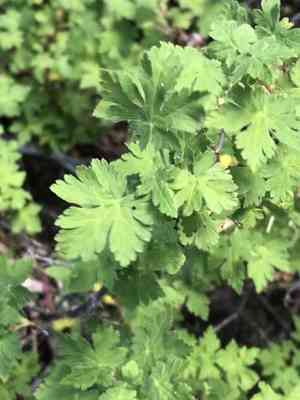
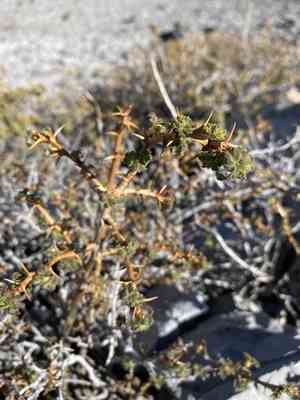
Quickly Identify Gooseberry currant
1
This plant can be identified by its thorny stems, lobed leaves, and round, red to orange berries. The leaves are deciduous, typically 1-3 inches wide, and resemble those of a maple.
Scientific Classification of Gooseberry currant
Phylum
Vascular plants
Class
Dicotyledons
Order
Saxifragales
Family
Currant
Genus
Currants
Species
Gooseberry currant
Planting and Growing of Gooseberry currant
Care Difficulty
Easy
Watering Schedule
Every 3 days
Sunlight Requirements
Full sun
Sunshine Duration
4-8 hours
Ideal Temperature
50-75℉
Soil Type
Potting Mix, Peat Mix
Soil pH
5.5-7.5
Fertilizer Type
Balanced
Pruning Season
Spring, Summer
Pruning Area
Branches, Leaves
Pruning Frequency
2 times a year
Repotting Season
Spring
Pot Type
Plastic, Ceramic
 How to Water Gooseberry currant?
For Ribes montigenum, the watering amount should be approximately 500 milliliters per session. This ensures the soil is moist but not waterlogged. The goal is to maintain consistent soil moisture without causing root rot; the soil surface should be allowed to dry slightly between waterings.
What are the symptoms of an underwatered Gooseberry currant?
›
What should I do if my Gooseberry currant is not getting enough water?
›
What are the symptoms of an overwatered Gooseberry currant?
›
How to save an overwatered Gooseberry currant?
›
 What Are the Sunlight Requirements for Gooseberry currant?
Ribes montigenum thrives in environments offering full sun to partial sun exposure. Ideal light ensures efficient photosynthesis, promoting vigorous growth and lush fruit production, critical for a healthy plant lifecycle.
More About Sunlight Requirements Techniques→
What is the ideal light condition for Ribes montigenum?
›
How can you achieve the ideal light condition for this plant?
›
What benefits does ideal lighting provide to Ribes montigenum?
›
 What Is the Ideal Temperature Range for Gooseberry currant?
Ribes montigenum thrives best in temperatures ranging from 50°F to 75°F. This range provides the optimal conditions for photosynthesis and general metabolic activities, ensuring healthy growth and fruiting. These temperatures mimic the plant's natural alpine environments, offering a balance of cool and warm periods that promote vigor and resilience.
 What Soil is Best for Gooseberry currant?
Ribes montigenum thrives in nutrient-rich soils that provide essential minerals for growth. Such soils enhance berry production and boost the plant's resilience to pests and diseases. The plant requires well-drained soil to prevent root rot and support healthy root development. Proper drainage ensures the plant receives adequate oxygen at the roots. Ribes montigenum prefers soil that remains moist but is also airy, ensuring water retention without suffocation. This balance helps the shrub sustain its moisture needs during dry spells.
 How to Fertilize Gooseberry currant?
For Ribes montigenum, it is essential to provide a balanced amount of fertilizer. When using liquid fertilizers, dilute it to half the strength recommended on the label. Apply around 250ml per plant, ensuring the soil remains moist but not waterlogged. For slow-release granules, distribute 30 grams evenly around the base of the plant, mixing it lightly into the topsoil to ensure proper absorption.
 How to Prune Gooseberry currant?
Start by removing any dead, diseased, or damaged branches. These can be identified by their brittle texture or discolored appearance. Removing these parts will help channel the plant's energy to healthier growth. Create space by thinning out overcrowded branches. This increases airflow and sunlight penetration within the plant, reducing the risk of fungal diseases and aiding in optimal growth. After clearing away problem areas, focus on shaping. Trim to maintain a balanced form, encouraging the plant's natural growth pattern. This not only makes the plant look better but also supports uniform fruit development.
More About Pruning Techniques→
 How to Propagate Gooseberry currant plant?
1
Before sowing, Ribes montigenum seeds often require stratification, a process of exposing them to cold temperatures to break dormancy. This mimics natural winter conditions, making the seeds ready for germination when introduced to warmer temperatures in early spring.
2
Select healthy, disease-free branches and use sharp pruning shears to cut a section roughly 10-15 cm long. It's crucial the cutting includes several nodes — where leaves attach and new roots tend to develop. Always cut at a slight angle to increase the surface area for root growth.
3
Dip the cut end of the Ribes montigenum cutting in a rooting hormone to promote faster and more reliable root development. Plant the treated cutting in a well-draining medium and keep it moist, but not waterlogged, to encourage root formation over the following weeks.
 How to Repot Gooseberry currant plant?
1
Ribes montigenum should be repotted once you notice the roots are coiling at the base of the pot or if the plant appears root-bound. Spring or autumn is the best time, as the plant is not in active growth and can adjust to new conditions more easily.
2
Select a pot that is one size larger than the current one, offering sufficient space for root expansion. This will support healthy growth while preventing waterlogging, as it ensures proper soil aeration. Ensure the pot has adequate drainage holes to prevent root rot.
3
Ribes montigenum thrives in well-draining, loamy soil enriched with organic matter. This type of soil ensures moisture retention while preventing water build-up, providing a balanced environment for the roots to access nutrients efficiently.



