How to Transplant Eastern Prickly Gooseberry?
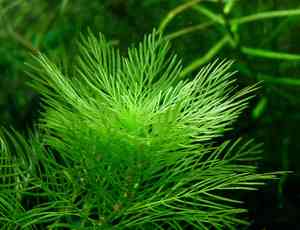
The most favorable period for relocating eastern Prickly Gooseberry extends from the beginning of spring's thaw until the onset of summer, facilitating robust root development. Select a location offering partial shade, and ensure consistent soil hydration to encourage effective adaptation.
What Preparations are Needed Before Transplanting Eastern Prickly Gooseberry?
What is the Ideal Time for Transplanting Eastern Prickly Gooseberry?
For eastern Prickly Gooseberry, the optimal period to re-establish it in your garden spans from early spring's thaw to the lively days of late spring. This timeframe offers mild temperatures and ample rainfall, fostering strong root development prior to summer's heat. Carefully moving eastern Prickly Gooseberry during this window promotes a smooth transition and minimizes shock, ensuring a thriving, thorny presence in your landscape for years ahead.
How Much Space Should You Leave Between Eastern Prickly Gooseberry Plants?
When getting ready to plant your eastern Prickly Gooseberry, it's best to allow them ample room to thrive. Aim for a separation of 4-6 feet (1.2-1.8 meters) between each shrub. This spacing helps guarantee sufficient growth area and air circulation, vital for a healthy plant.
What is the Best Soil Mix for Eastern Prickly Gooseberry Transplanting?
For the healthiest eastern Prickly Gooseberry, blend your garden soil with some nutrient-rich compost. Eastern Prickly Gooseberry flourish in well-drained, loamy soil. Before planting, enrich the site with a balanced, slow-release fertilizer to give your eastern Prickly Gooseberry an excellent start.
Where Should You Relocate Your Eastern Prickly Gooseberry?
Select a location for your eastern Prickly Gooseberry that receives partial to full sun exposure. An area that benefits from morning sun and afternoon shade would be perfect, encouraging vigorous growth without the stress of intense midday heat.
What Equipments Should You Prepare Before Transplantation Eastern Prickly Gooseberry?
Gardening Gloves
To safeguard your hands while handling soil and plants.
Shovel or Spade
For excavating the plant and preparing the new planting site.
Garden Fork
To loosen the earth around the plant's root system.
Watering Can or Hose
To hydrate the plant before and after its relocation.
Wheelbarrow or Plant Dolly
To move the plant if it is large or heavy.
Pruning Shears
To trim any damaged roots or stems.
How Do You Remove Eastern Prickly Gooseberry from the Soil?
How Do You Remove Eastern Prickly Gooseberry from the Soil?
From Ground: First, hydrate the eastern Prickly Gooseberry to moisten the soil. Next, dig a wide circle around the plant using a shovel or spade, going deep enough to preserve the root ball. Use a garden fork to gently lift and separate the root ball from the surrounding earth, then carefully extract the plant.From Pot: Start by watering the eastern Prickly Gooseberry to facilitate its removal. If the container is flexible, gently squeeze its sides to loosen the root ball. Turn the pot sideways and carefully slide the plant out while supporting the root ball with your hand.From Seedling Tray: Water the eastern Prickly Gooseberry before beginning. Use a spoon or small trowel to dig out each seedling, being careful not to harm the roots. Gently lift the seedling out while holding onto the root ball.
Step-by-Step Guide for Transplanting Eastern Prickly Gooseberry
Preparation
Ensure all listed transplanting tools are ready for use.
Root Ball Preserving
Thoroughly water the eastern Prickly Gooseberry's soil before starting to ensure easy removal and protect its root system.
Digging Out
Depending on the eastern Prickly Gooseberry's original location, use the appropriate removal method to carefully extract the plant with its root ball intact.
Transport
If necessary, use a wheelbarrow or plant dolly to move the eastern Prickly Gooseberry to its new spot, avoiding rough handling.
Plant Hole Digging
Excavate a hole in the new location that is twice the root ball's width and of similar depth, ensuring ample space for root expansion.
Planting
Position the eastern Prickly Gooseberry in the center of the new hole, spreading its roots outward. Ensure the plant sits at the same soil depth as before.
Filling In
Backfill the hole with soil, gently patting down around the roots to eliminate air pockets and secure the plant.
Watering
Thoroughly water the eastern Prickly Gooseberry after planting to settle the soil around the roots and help reduce transplant shock.
How Do You Care For Eastern Prickly Gooseberry After Transplanting?
Monitoring
Inspect the eastern Prickly Gooseberry daily for signs of transplant shock, such as wilting or discolored foliage, and intervene if necessary.
Staking
If the eastern Prickly Gooseberry is tall or in a windy area, consider providing support with stakes until its roots are established.
Mulching
Apply a layer of mulch around the base of the eastern Prickly Gooseberry to retain moisture, suppress weeds, and regulate soil temperature.
Pruning
Remove any dead or damaged leaves or stems to encourage new growth and alleviate stress on the eastern Prickly Gooseberry.
Regular Watering
Maintain a consistent watering schedule to keep the soil around the eastern Prickly Gooseberry moist but not waterlogged, adjusting for rainfall and temperature changes.
Troubleshooting Common Issues with Eastern Prickly Gooseberry Transplantation.
When is the best time to transplant eastern Prickly Gooseberry?
The ideal period for relocating eastern Prickly Gooseberry is from early to late spring when the weather is mild.
How far apart should eastern Prickly Gooseberry be planted from each other?
Eastern Prickly Gooseberry thrives with ample space! Ensure to position them 4-6 feet (1.2-1.8 meters) apart.
What should I do if eastern Prickly Gooseberry wilts after transplanting?
Eastern Prickly Gooseberry may wilt due to shock. Provide shade, water gently, and it should recover within a few days.
How deep should the hole be for transplanting eastern Prickly Gooseberry?
Dig a hole that's twice the root ball's width and as deep as the root ball's height for eastern Prickly Gooseberry.
Can eastern Prickly Gooseberry be transplanted on a sunny day?
Relocate eastern Prickly Gooseberry on an overcast day or in the evening to minimize transplant stress and sun damage.
What should I add to the soil when transplanting eastern Prickly Gooseberry?
Enrich the hole with compost or aged manure to provide eastern Prickly Gooseberry with a nutrient boost during transplanting.
How much water does eastern Prickly Gooseberry need after transplanting?
Water eastern Prickly Gooseberry thoroughly upon transplanting and maintain moist soil until it is well established.
Why is eastern Prickly Gooseberry not flowering after transplanting?
Flowering may be delayed as eastern Prickly Gooseberry adjusts. Ensure proper care, and be patientâit will blossom in due course.
How do I protect eastern Prickly Gooseberry from pests after transplanting?
Inspect eastern Prickly Gooseberry regularly for pests, and apply appropriate organic pest control measures if necessary.
What should I do if eastern Prickly Gooseberry shows signs of root rot after transplanting?
Ensure proper drainage and avoid overwatering. If signs persist, gently lift eastern Prickly Gooseberry to inspect and treat the roots.



