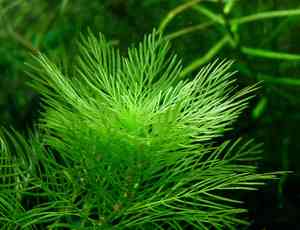
Eastern Prickly Gooseberry (Ribes cynosbati)
Also known as: Dogberry, American Gooseberry
Ribes cynosbati, commonly referred to as the "eastern prickly gooseberry," is a native North American woody shrub. In spring, it blooms with greenish-white flowers, which later yield edible, bristly fruit that ripens to a reddish hue by mid-summer.
In This Article
Attributes of Eastern Prickly Gooseberry
Lifespan
Perennial
Plant Type
Shrub
Plant Height
61 cm to 1.2 m
Spread
60 cm to 1.5 m
Leaf Color
Green
Flower Size
8 mm
Flower Color
White Yellow Green
Images of Eastern Prickly Gooseberry
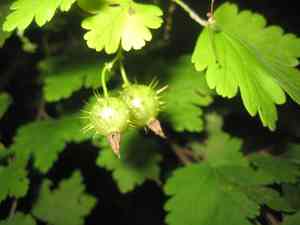
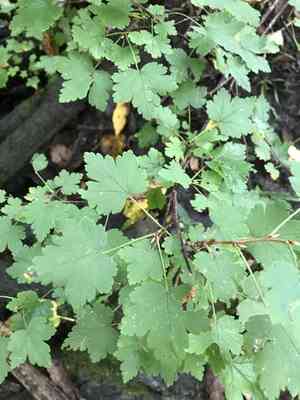
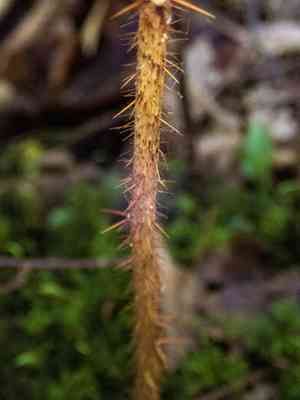
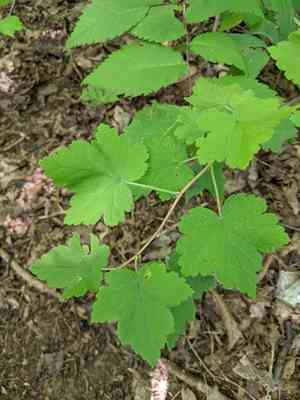
Quickly Identify Eastern Prickly Gooseberry
1
Ribes cynosbati can be identified by its spiny branches and lobed leaves. The fruit is round, typically green or purplish-red when mature, covered with spines.
Scientific Classification of Eastern Prickly Gooseberry
Phylum
Vascular plants
Class
Dicotyledons
Order
Saxifragales
Family
Currant
Genus
Currants
Species
Eastern Prickly Gooseberry
Planting and Growing of Eastern Prickly Gooseberry
Care Difficulty
Easy
Watering Schedule
Every 2 days
Sunlight Requirements
Partial sun
Sunshine Duration
6-10 hours
Ideal Temperature
60-75℉
Soil Type
Potting Mix, Peat Mix
Soil pH
6.5-7.5
Fertilizer Type
Balanced
Pruning Season
Spring, Summer
Pruning Area
Branches, Leaves
Pruning Frequency
2 times a year
Repotting Season
Spring
Pot Type
Plastic, Ceramic
 How to Water Eastern Prickly Gooseberry?
The Gooseberry plant Ribes cynosbati thrives best when watered with approximately 500 ml per session. This amount ensures the soil remains moist without becoming waterlogged, promoting healthy root growth. It's crucial not to saturate the soil; instead, water until you notice it seeping out of the drainage holes.
What are the symptoms of an underwatered Eastern Prickly Gooseberry?
›
What should I do if my Eastern Prickly Gooseberry is not getting enough water?
›
What are the symptoms of an overwatered Eastern Prickly Gooseberry?
›
How to save an overwatered Eastern Prickly Gooseberry?
›
 What Are the Sunlight Requirements for Eastern Prickly Gooseberry?
Ribes cynosbati flourishes with partial sun to full sun exposure. Proper lighting fosters robust growth, vibrant leaves, and bountiful fruiting.
More About Sunlight Requirements Techniques→
What is the ideal amount of sunlight?
›
How can Ribes cynosbati get ideal lighting?
›
What are the benefits of ideal lighting?
›
 What Is the Ideal Temperature Range for Eastern Prickly Gooseberry?
Ribes cynosbati thrives best in an environment where temperatures range between 60°F and 75°F. This temperature range promotes optimal growth and fruit production.
 What Soil is Best for Eastern Prickly Gooseberry?
Ribes cynosbati thrives best in well-draining soil, as it allows for oxygenation and prevents water logging, which can lead to root rot. Ensuring your soil has good drainage can significantly boost the health and growth rate of the plant. This plant benefits from nutrient-dense soils which are often loaded with organic matter. Such soils support the plant's vigorous growth and optimal berry production, as they facilitate a steady supply of essential nutrients. Even though Ribes cynosbati requires well-draining soil, it also benefits from moisture-retentive conditions. The soil should hold enough moisture to sustain the plant between watering sessions, promoting resilience during dry spells.
 How to Fertilize Eastern Prickly Gooseberry?
When fertilizing Ribes cynosbati, apply approximately 0.5 to 1 pound of balanced fertilizer (10-10-10) per bush, distributing it evenly around the drip line to ensure proper nutrient absorption.
 How to Prune Eastern Prickly Gooseberry?
Prune Ribes cynosbati in early spring, just before new growth begins. This timing minimizes stress on the plant and encourages robust regrowth. Ensure that your pruning tools are clean and sharp to prevent the transmission of diseases and to make clean cuts that heal quickly, promoting healthy regrowth. Wear gloves and protective clothing to avoid injury from the thorny branches of Ribes cynosbati. This plant has spines that can cause irritation or injury.
More About Pruning Techniques→
 How to Propagate Eastern Prickly Gooseberry plant?
1
Collect ripe berries from the Ribes cynosbati and extract the seeds. Clean them thoroughly to remove all pulp and let them dry. This step is crucial as it prevents mold and bacteria from affecting germination.
2
Choose healthy, non-flowering stems from the parent plant. Ensure these are about 4 to 6 inches long for optimal rooting potential. Avoid using damaged or diseased stems, as these do not root well.
3
Prepare a mix of equal parts peat and perlite for rooting cuttings. This combination provides adequate drainage and aeration, which help prevent the cuttings from rotting and improve root development.
 How to Repot Eastern Prickly Gooseberry plant?
1
Ribes cynosbati, commonly known as the wild gooseberry, exhibits signs that it needs repotting when the roots begin to circle the pot tightly or protrude through the drainage holes. Additionally, if water takes longer to drain through the soil, it's a clear signal to consider repotting. The best time to undertake this task is during its growing seasons, in early spring or summer, ensuring minimal stress to the plant.
2
Select a pot that is just one size larger than the current one to avoid excessive water retention, which can lead to root rot. It should have adequate drainage holes to ensure good water flow. A terracotta pot is ideal as it aids in moisture balance by allowing excess moisture to evaporate while keeping the roots aerated. This creates an optimal growing environment for your Ribes cynosbati.
3
The perfect soil mix for Ribes cynosbati should be well-draining to prevent water stagnation and root rot. A blend of loamy soil enriched with organic matter like compost or aged peat moss works wonders in providing the necessary nutrients. This type of soil ensures proper aeration and nutrient retention, promoting healthy plant growth.



