How to Prune Eastern Prickly Gooseberry?
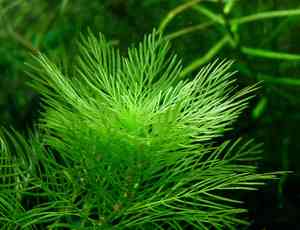
Recognized for its thorny stalks and indented foliage, the eastern Prickly Gooseberry thrives with trimming to preserve its form and vitality. Conduct pruning in late winter or early spring prior to the emergence of new shoots. Eliminate any deceased or compromised branches and reduce dense sections to enhance airflow. Cutting back to robust buds stimulates more compact development. Consistent trimming averts excessive growth and guarantees a symmetrical framework, boosting the plant's aesthetic value and aiding in superior fruit yield.
Advantages of Trimming Eastern Prickly Gooseberry
Advantages of Trimming Eastern Prickly Gooseberry
Trimming eastern Prickly Gooseberry boosts its vitality, fostering a strong structure for fruit and flowers. Strategic cuts maintain its shape, reducing density and improving its appearance.
Optimal Period for Trimming Eastern Prickly Gooseberry
Optimal Period for Trimming Eastern Prickly Gooseberry
Trimming eastern Prickly Gooseberry in late winter or early spring is ideal, as this timing allows for the removal of dead or damaged branches before new growth emerges. This phase aligns with the plant's dormant state, which lessens stress on eastern Prickly Gooseberry and minimizes disease transmission risk. Furthermore, pruning prior to spring growth enables eastern Prickly Gooseberry to channel energy into producing healthy shoots and supports a robust flowering and fruiting season. It also enhances air circulation and sunlight penetration, crucial for eastern Prickly Gooseberry's health and vigor. Late winter to early spring pruning ensures minimal disruption to the plant's natural growth cycle and is least likely to affect berry production, as eastern Prickly Gooseberry typically blooms on old wood.
Essential Tools for Trimming Eastern Prickly Gooseberry
Bypass Pruners
Perfect for making clean cuts on eastern Prickly Gooseberry's living stems, bypass pruners ensure minimal tissue damage. They are suitable for stems up to approximately half an inch in diameter.
Puncture-Resistant Gloves
Given eastern Prickly Gooseberry's thorny nature, wearing puncture-resistant gloves will safeguard the gardener's hands during pruning.
Loppers
For cutting thicker branches of eastern Prickly Gooseberry, up to two inches in diameter, loppers provide increased leverage and reach.
Pruning Saw
When dealing with the oldest and thickest branches of eastern Prickly Gooseberry, a pruning saw is essential for clean cuts without harming surrounding stems.
Long-Handled Pruners
For difficult-to-reach areas, especially since eastern Prickly Gooseberry may have sharp thorns, long-handled pruners offer the necessary reach and precision.
How to Trim Eastern Prickly Gooseberry
Sanitization
Before trimming eastern Prickly Gooseberry, clean and sterilize all pruning tools to prevent disease spread.
Diseased removal
Carefully remove any diseased leaves and branches from eastern Prickly Gooseberry, ensuring clean cuts to avoid further plant damage.
Dead material removal
Prune away all withered leaves and dead branches from eastern Prickly Gooseberry to encourage healthy growth and improve air circulation.
Thinning
Thin out eastern Prickly Gooseberry's interior by selectively removing some older branches to increase light penetration and enhance future fruit production.
Shape maintenance
Shape eastern Prickly Gooseberry by shortening long branches if needed, ensuring a natural form and considering the plant's overall aesthetic.
Common Trimming Errors with Eastern Prickly Gooseberry
Over-pruning
Removing too much foliage at once can shock eastern Prickly Gooseberry, leading to poor growth or increased disease susceptibility.
Improper cut location
Cutting too far from a bud can leave a stub prone to decay, while cutting too close can damage the bud and hinder new growth.
Using dull tools
Dull tools create jagged cuts more susceptible to disease and can harm eastern Prickly Gooseberry's overall health.
Pruning healthy wood
Unnecessarily cutting healthy wood can reduce eastern Prickly Gooseberry's fruiting potential and vigor.
Ignoring diseased areas
Failing to remove diseased or dead wood allows diseases to persist and spread throughout eastern Prickly Gooseberry.
Neglecting sanitation
Not sanitizing pruning tools between cuts and plants can spread pests and pathogens to eastern Prickly Gooseberry.
Overlooking plant form
Pruning without considering eastern Prickly Gooseberry's natural shape can result in an unattractive growth habit and reduced fruit production.
General Trimming Advice for Eastern Prickly Gooseberry
Correct tool selection
Use sharp, clean bypass pruners or loppers for precise cuts that promote quick healing for eastern Prickly Gooseberry.
Cut angle
Cut at a 45-degree angle away from the bud to allow water runoff and encourage growth in the desired direction.
Timing of pruning
Although timing has been covered, ensure pruning is done when it will least affect eastern Prickly Gooseberry's blooming and fruiting cycles.
Disease management
Remove any diseased or damaged branches first to prevent infection and maintain eastern Prickly Gooseberry's health.
Judicious thinning
Thin out dense growth to improve air circulation and light penetration, which helps reduce disease risk and promotes better fruiting.
Maintenance pruning
Perform regular maintenance to remove crossing or rubbing branches that can injure eastern Prickly Gooseberry and create entry points for disease.
Pruning amount
As a general rule, do not remove more than one-third of eastern Prickly Gooseberry's overall growth in a single season to avoid stress.
Regenerative pruning
If old plants require rejuvenation, spread out the pruning over several seasons, allowing eastern Prickly Gooseberry to recover energy and vigor over time.



