How to Transplant Hillside gooseberry?
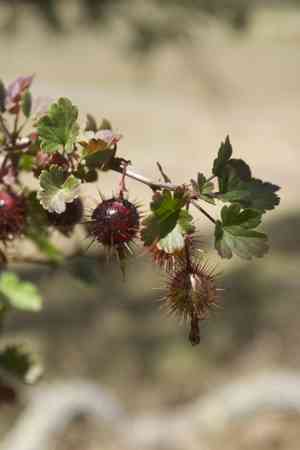
For Ribes divaricatum, the most favorable period for transplanting is the mild warmth of late spring to early summer. Select a site offering filtered sunlight and soil that drains effectively to encourage vigorous development. Exercise care, making certain the root system remains intact for successful establishment.
What Preparations are Needed Before Transplanting Hillside Gooseberry?
What is the Ideal Time for Transplanting Hillside Gooseberry?
The best time to move hillside gooseberry is from late spring through early summer. This period aligns with hillside gooseberry's natural growth cycle, ensuring a smooth transition. Transplanting then provides hillside gooseberry with ample warmth and increasing daylight, promoting strong root establishment before summer's peak. This strategic timing also allows hillside gooseberry to settle before colder months, setting the stage for a thriving garden display.
How Much Space Should You Leave Between Hillside Gooseberry Plants?
Hello, gardener! When preparing to plant your lovely hillside gooseberry, remember to provide them with adequate room. Spacing them approximately 4-6 feet (1.2-1.8 meters) apart will ensure healthy growth.
What is the Best Soil Mix for Hillside Gooseberry Transplanting?
For your hillside gooseberry, you'll want to prepare the soil as a comfortable bed. Aim for well-draining soil, and incorporate a balanced, slow-release fertilizer to give it a good start. They appreciate the care!
Where Should You Relocate Your Hillside Gooseberry?
Finding the perfect sunny spot is crucial for your hillside gooseberry. Select a location that receives partial to full sunlight, ensuring it will bask in the sun for the best berry production in the future.
What Equipments Should You Prepare Before Transplantation Hillside Gooseberry?
Gardening Gloves
To safeguard your hands while handling soil and the plant.
Shovel or Spade
To excavate the plant, ensuring the root ball remains intact.
Hand Trowel
For precise tasks and smaller digging needs.
Garden Fork
To loosen the soil around the plant's roots if necessary.
Watering Can or Garden Hose
To hydrate the plant before and after relocation.
Wheelbarrow
For transporting the plant and soil materials.
Pruning Shears
To trim any damaged roots or foliage.
How Do You Remove Hillside Gooseberry from the Soil?
How Do You Remove Hillside Gooseberry from the Soil?
From Ground: First, moisten the soil around the hillside gooseberry plant. Then, dig a wide trench around the plant using a shovel or spade, ensuring the plant's root ball stays whole. Carefully work the spade beneath the root ball to lift the plant from its original spot. From Pot: Water the hillside gooseberry thoroughly beforehand. Tip the pot sideways and gently tap to loosen the soil. Once the plant is loose, support the hillside gooseberry by placing your hand at the base and carefully slide the plant out of the pot. From Seedling Tray: Water the tray to make the soil damp, which will facilitate seedling removal. Use a hand trowel or a plant label to gently lift the seedling from its compartment, taking care not to harm the roots.
Step-by-Step Guide for Transplanting Hillside Gooseberry
Preparation
Ensure all listed tools are ready and water the hillside gooseberry plant the day before to minimize stress.
Removal
Follow the appropriate removal method for your hillside gooseberry plant, as detailed above, being careful to preserve as much of the root ball as possible.
Hole Digging
Excavate a hole in the chosen location that is twice as wide and equally deep as the root ball to promote easy rooting.
Setting the Plant
Position the hillside gooseberry in the center of the hole. The top of the root ball should be level with the surrounding soil to prevent water accumulation around the stem.
Backfilling
Carefully refill the hole with the excavated soil, gently tamping down around the plant to eliminate air pockets.
Initial Watering
Provide the hillside gooseberry with a thorough watering immediately after transplanting to help settle the soil and hydrate the roots.
How Do You Care For Hillside Gooseberry After Transplanting?
Watering
Water the hillside gooseberry deeply to encourage root development. Keep the soil consistently moist, especially during dry periods.
Mulching
Apply a layer of organic mulch around the base of hillside gooseberry to help retain moisture, regulate soil temperature, and reduce weed growth.
Monitoring
Regularly inspect the plant for signs of transplant shock, such as wilting or discolored leaves, and take appropriate action if needed.
Pruning
Trim any broken or damaged roots before planting and prune the foliage if necessary after transplanting to balance the root-to-shoot ratio.
Troubleshooting Common Issues with Hillside Gooseberry Transplantation.
What's the best time to transplant hillside gooseberry?
Transplanting hillside gooseberry is most successful when performed from late spring to early summer.
How much space does hillside gooseberry need when transplanting?
For hillside gooseberry, ensure a generous spacing of approximately 4-6 feet (1.2-1.8 meters) between plants.
Why is my hillside gooseberry wilting after transplanting?
Wilting may indicate water stress. Ensure hillside gooseberry is kept moist but not waterlogged after relocation.
Should I prune hillside gooseberry before transplanting?
Light pruning can help hillside gooseberry focus on root development after transplanting. Remove only damaged branches.
How deep should I plant hillside gooseberry during transplanting?
The planting hole should comfortably accommodate the root ball, with its top level with the ground surface.
Can I transplant hillside gooseberry in full sun?
While hillside gooseberry can tolerate sun, it prefers partial shade. Consider a location with filtered sunlight.
How do I protect hillside gooseberry after transplanting?
Mulch around hillside gooseberry to retain moisture and protect the roots, but avoid covering the stem base.
Why are the leaves of hillside gooseberry turning yellow post-transplant?
Yellow leaves could signal shock or an imbalance in water. Keep the soil consistently moist and avoid overwatering.
What type of soil is best for transplanting hillside gooseberry?
Use well-draining soil rich in organic matter to give hillside gooseberry a strong start in its new location.
How often should I water hillside gooseberry after transplanting?
Water hillside gooseberry thoroughly after transplanting, then regularly to keep the soil moist but not soggy.



