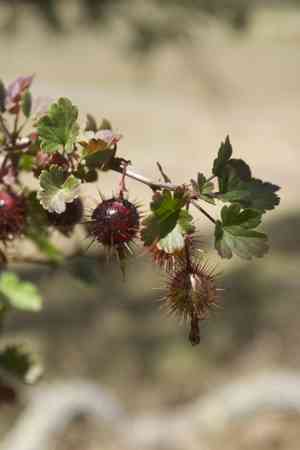
Hillside gooseberry (Ribes californicum)
Also known as: Hillside Gooseberry
Fuchsia-flowered gooseberry (Ribes speciosum) is a fruiting shrub native to California. Its striking flowers attract hummingbirds. This shrub is part of the currant family (Grossulariaceae) and produces berries that, while edible, are typically more appreciated by wildlife.
In This Article
Attributes of Hillside gooseberry
Lifespan
Perennial
Plant Type
Shrub
Plant Height
1.2 m to 1.8 m
Spread
60 cm to 1.8 m
Leaf Color
Green
Flower Size
1.02 cm to 1.8 cm
Flower Color
White Pink Red
Images of Hillside gooseberry
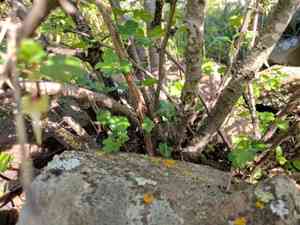
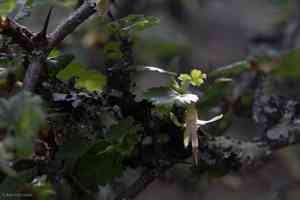
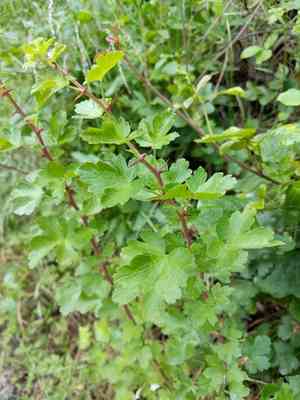
Quickly Identify Hillside gooseberry
1
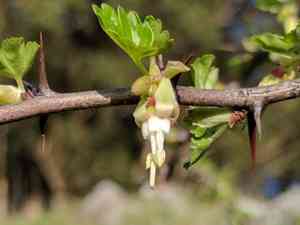
To identify Ribes californicum, look for its thorny branches, lobed green leaves, and small, hanging clusters of flowers which are greenish to purple in color. The fruit is spherical, spiny, and usually reddish to purple.
Scientific Classification of Hillside gooseberry
Phylum
Vascular plants
Class
Dicotyledons
Order
Saxifragales
Family
Currant
Genus
Currants
Species
Hillside gooseberry
Planting and Growing of Hillside gooseberry
Care Difficulty
Easy
Watering Schedule
Every 3 days
Sunlight Requirements
Full sun
Sunshine Duration
6-10 hours
Ideal Temperature
65-75℉
Soil Type
Potting Mix, Peat Mix
Soil pH
6.5-7.5
Fertilizer Type
Balanced
Pruning Season
Spring, Summer
Pruning Area
Branches, Leaves
Pruning Frequency
2 times a year
Repotting Season
Spring
Pot Type
Plastic, Ceramic
 How to Water Hillside gooseberry?
Ribes californicum prefers moderate watering, meaning it requires just enough water to keep the soil slightly moist but not soggy. The principle to follow is ensuring that the top inch of soil dries out between waterings. Water until you see moisture seeping out of the drainage holes but avoid letting the plant sit in excess water.
What are the symptoms of an underwatered Hillside gooseberry?
›
What should I do if my Hillside gooseberry is not getting enough water?
›
What are the symptoms of an overwatered Hillside gooseberry?
›
How to save an overwatered Hillside gooseberry?
›
 What Are the Sunlight Requirements for Hillside gooseberry?
Ribes californicum prefers full to partial sun, translating to approximately 6 to 8 hours of sunlight per day. Ideal light conditions enhance photosynthesis, improve flowering and fruiting, and strengthen the plant's overall structure.
More About Sunlight Requirements Techniques→
How much sunlight does it need?
›
What is the best lighting solution?
›
What are the benefits of ideal lighting?
›
 What Is the Ideal Temperature Range for Hillside gooseberry?
Ribes californicum thrives best in a temperature range of 65-75°F. This range ensures optimal metabolic and photosynthetic activity, promoting healthy growth and development of the plant.
 What Soil is Best for Hillside gooseberry?
Ribes californicum thrives in well-draining soil because such conditions prevent waterlogging, which can lead to root rot. Good drainage helps maintain a healthy root system and supports the plant's vibrant growth. Rich, loamy soil provides essential nutrients necessary for the optimal growth of Ribes californicum. This type of soil contains a balance of clay, silt, and sand, which retains moisture and nutrients, fostering a robust plant growth. This plant prefers soil that can retain moisture without becoming waterlogged. Moderate moisture retention ensures that the plant receives consistent hydration, promoting healthy foliage and fruit production.
 How to Fertilize Hillside gooseberry?
For Ribes californicum, use a balanced all-purpose fertilizer. For liquid fertilizers, dilute according to package instructions. For granular forms, apply 1/4 cup around the base of the plant, ensuring even distribution without directly contacting the stem to prevent burning.
 How to Prune Hillside gooseberry?
Always start with sanitized pruning shears to prevent the transfer of pathogens. Clean tools with alcohol or a bleach solution, especially if the plant has shown signs of disease previously. When pruning, make clean, angled cuts just above a bud or set of leaves. This minimizes potential damage and encourages new growth, helping the plant to maintain its natural shape efficiently. Ribes californicum benefits from light pruning mainly in spring and summer. However, heavy pruning in late summer might stimulate new growth that won't have time to harden before winter, making the plant vulnerable to frost damage.
More About Pruning Techniques→
 How to Propagate Hillside gooseberry plant?
1
Gather seeds from ripe berries in late summer. Clean the seeds by removing the pulp and wash thoroughly before drying them to prepare for planting.
2
Cut 4-6 inch long softwood or semi-hardwood cuttings in early spring. Remove leaves from the lower half and dip the cut end in rooting hormone for better root development.
3
Select a flexible branch in spring, bend it to the ground, and cover a part of it with soil, leaving the tip exposed. Roots will develop at the covered section over a few months.
 How to Repot Hillside gooseberry plant?
1
Look for signs like roots poking out from drain holes or the soil drying out rapidly. If the plant appears cramped or growth stalls despite care, it's time for a new pot.
2
Choose a pot that's 1-2 inches larger in diameter than the current one. Opting for a slightly larger pot allows room for growth without overwhelming the plant, which helps prevent overwatering issues.
3
Well-draining soil with a mix of sand, peat, and perlite is ideal. Such soil prevents waterlogging, ensures adequate aeration, and supports healthy root growth.
Learn More About Hillside gooseberry Diseases
Anthracnose
Bacterial Leaf Spot
Chemical Injury
Crown Gall
Damping-off
Downy Mildew
Drought Stress
Fusarium Wilt
Gray Mold
Leaf Curl
Leaf Spot
Mosaic
Nutrient Deficiency
Nutrient Toxicity
Powdery Mildew
Root Rot
Root-knot Nematode
Rusts
Sooty Mold
Spider Mites
Temperature Stress
Thrips Damage
White Mold



