How to Prune Hillside gooseberry?
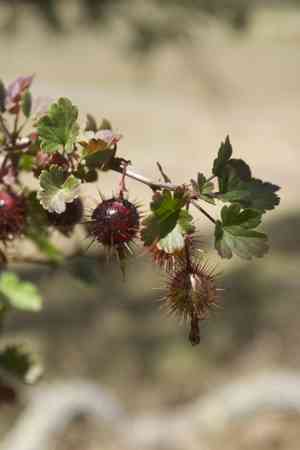
A indigenous shrub recognized for its thorny stalks and fruit, hillside gooseberry flourishes with limited trimming to eliminate deceased or ailing branches, and to sculpt its form. The most effective time for pruning is from late spring to early summer, following the blooming period, which avoids interfering with its developmental rhythm and spring flowers. Through judicious thinning, cultivators foster more robust development and greater fruit yield. Thoughtful pruning additionally safeguards its inherent ecological benefit for native fauna.
Advantages of Trimming Hillside Gooseberry
Advantages of Trimming Hillside Gooseberry
Trimming hillside gooseberry boosts blooming, encourages healthier development, and aids in resistance to pests and diseases. Strategic cuts improve air circulation and light access, vital for vitality and fruit yield.
Optimal Time for Trimming Hillside Gooseberry
Optimal Time for Trimming Hillside Gooseberry
Trimming hillside gooseberry in late spring and early summer aligns with its post-bloom growth phase. This timing is key for shaping the plant and managing its size after the spring growth spurt without affecting current year's flowers. Since hillside gooseberry buds on old wood, pruning after flowering ensures next season's blooms aren't accidentally removed. This period also allows cuts to heal before colder, wetter conditions, which can increase disease and pest risk. Additionally, removing dead or diseased wood at this time helps maintain hillside gooseberry's health and promotes a stronger framework for future growth and fruiting.
Tools Required for Trimming Hillside Gooseberry
Hand Pruners
For cutting small stems and branches of hillside gooseberry, hand pruners are essential. They allow for precise cuts and are manageable enough to navigate through hillside gooseberry's dense foliage.
Lopping Shears
To handle thicker branches that hand pruners cannot cut, lopping shears provide the extra leverage necessary to make clean cuts without damaging hillside gooseberry's structure.
Pruning Saw
For the thickest branches of hillside gooseberry, a pruning saw is recommended. It can cut through wood that is too large for hand pruners and loppers.
Gloves
Given the thorny nature of hillside gooseberry, a good pair of gloves is critical to protect the gardenerâs hands while pruning.
How to Trim Hillside Gooseberry
Clean tools
Before trimming hillside gooseberry, sterilize pruning tools with rubbing alcohol or a bleach solution to prevent the spread of disease.
Remove diseased parts
Carefully remove all diseased leaves and branches from hillside gooseberry using sharp, clean pruning shears. Ensure clean cuts to avoid damaging the plant.
Eliminate dead material
Cut back any dead or withered leaves, branches, and spent flowers to encourage new growth and prevent rot in hillside gooseberry.
Shape and thin
Prune excessive growth branches from hillside gooseberry to maintain its shape and encourage airflow, which can reduce the risk of disease.
Cleanup
Collect and dispose of all removed plant material away from hillside gooseberry to reduce the risk of pest and disease transmission.
Common Trimming Errors with Hillside Gooseberry
Overpruning
Removing too much foliage from hillside gooseberry can stress the plant and lead to reduced vigor and fewer flowers. It is important to avoid cutting back more than one-third of the plant in a single pruning session.
Flush cuts
Making flush cuts against the main stems or trunk can damage hillside gooseberry and create large wounds that are susceptible to disease and pests. Instead, cut just above outward-facing buds or leaf nodes.
Neglecting dead wood
Failing to remove dead or damaged wood can hinder hillside gooseberry's growth and appeal, as well as increase the risk of diseases spreading to healthy parts of the plant.
Improper tool use
Using dull, dirty or inappropriate pruning tools can result in jagged cuts, torn bark, and infection. Sharp, clean, and suitable-sized tools are essential.
Topping
Topping or cutting back the main stems of hillside gooseberry severely can distort the natural shape of the plant, impede flowering, and cause weak, spindly growth.
General Trimming Advice for Hillside Gooseberry
Selective thinning
Remove selected branches to increase light penetration and air circulation within hillside gooseberry's canopy. Focus on thinning rather than shearing for a more natural growth habit.
Healthy wood
Cut back to healthy, vigorous wood, which typically looks lighter in color and more alive than older, darker wood, to stimulate new growth and flowering.
Shape and balance
Prune hillside gooseberry to maintain a pleasing shape and balance, taking care not to prune too symmetrically but following the natural form of the plant.
Protective gear
Because hillside gooseberry might have thorns or spines, wear gloves and protective clothing to prevent skin injuries during pruning sessions.
Wound care
Do not apply wound paint or sealants after cuts, as hillside gooseberry can heal better naturally and the use of such products can actually trap moisture and pathogens.



