How to Transplant Shortbeak beaksedge?
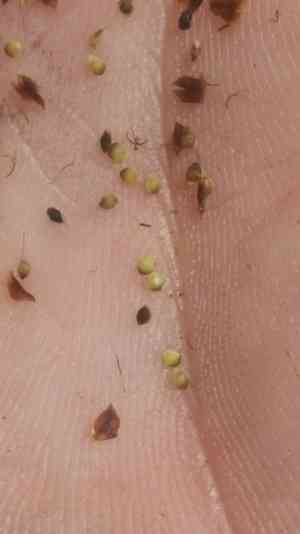
Shortbeak beaksedge flourishes when relocated from the beginning of spring through its latter part, capitalizing on the moderate warmth. Provide a brightly lit, damp environment for peak development. Further transplanting advice: Preserve root integrity and thoroughly water after moving.
Necessary Preparations Before Relocating Shortbeak Beaksedge?
Optimal Period for Moving Shortbeak Beaksedge?
Relocating shortbeak beaksedge from early to late spring is ideal due to its active growth phase. This timing allows for prime root establishment before summer heat. Transplanting during this period ensures vigorous growth, maximizing benefits from favorable weather and providing ample time for adaptation and thriving in its new spot.
Recommended Spacing Between Shortbeak Beaksedge Plants?
When relocating shortbeak beaksedge, aim for a spacing of 12-18 inches (30-46 cm). This provides sufficient room for healthy development and proper air circulation.
Best Soil Blend for Shortbeak Beaksedge Relocation?
Prepare well-draining soil enriched with a foundational fertilizer like compost. Sandy or loamy soil works best for shortbeak beaksedge. Incorporate some well-rotted compost to enhance nutrient availability.
Where to Replant Your Shortbeak Beaksedge?
Select a site with full to partial sunlight. Shortbeak beaksedge thrives in areas receiving at least 6 hours of daily sunlight, but can endure some afternoon shade.
Equipment Needed Before Relocating Shortbeak Beaksedge?
Gardening Gloves
To safeguard your hands while handling soil and the plant.
Shovel or Spade
For digging and lifting the plant from its initial spot.
Trowel
For creating holes in the ground where the plant will be moved.
Watering Can or Hose
To hydrate the plant before and after relocation.
Wheelbarrow
To move the plant if it is large or heavy.
Pruners
For trimming any damaged roots or foliage.
How to Extract Shortbeak Beaksedge from the Soil?
How to Extract Shortbeak Beaksedge from the Soil?
From Ground: First, moisten the shortbeak beaksedge plant to dampen the soil. Then, excavate a wide trench around the plant using a shovel or spade, ensuring the plant's root ball remains intact. Carefully work the spade beneath the root ball to lift the plant from its original position.From Pot: Thoroughly water the shortbeak beaksedge plant. Gently tap the pot's sides and bottom to loosen the soil. Carefully slide the plant out, supporting the root ball with your hands.From Seedling Tray: Water the seedlings well before removal. Use a trowel or your fingers to gently lift the seedlings from the tray, taking care to keep the roots and surrounding soil intact.
Step-by-Step Guide for Relocating Shortbeak Beaksedge
Planning
Choose a location that meets the growth requirements of shortbeak beaksedge. Ensure the ground is well-prepared, avoiding redundant information about space, soil type, and sunlight.
Preparing Hole
Dig a hole in the chosen spot that is twice as wide and as deep as the root ball of shortbeak beaksedge.
Plant Placement
Position the shortbeak beaksedge plant in the hole, ensuring the top of the root ball is level with the ground surface.
Backfilling and Watering
Fill the hole with soil, gently pressing it down to remove air pockets. Water the plant thoroughly after filling the hole.
How to Care For Shortbeak Beaksedge After Relocation?
Watering
Keep the soil around the shortbeak beaksedge consistently moist, but not waterlogged, for the initial weeks post-relocation to aid in strong root establishment.
Mulching
Apply a layer of mulch around the base of the shortbeak beaksedge plant to retain moisture and regulate soil temperature.
Monitoring
Regularly inspect the plant for signs of stress, such as wilting or yellowing leaves, and provide additional water or shade if needed.
Weeding
Keep the area around the shortbeak beaksedge plant clear of weeds to reduce competition for nutrients and water.
Addressing Common Issues with Shortbeak Beaksedge Relocation.
When is the best time to move shortbeak beaksedge?
Relocate shortbeak beaksedge from early spring to late spring for optimal growth and survival rates.
How much space should be between shortbeak beaksedge plants?
Space shortbeak beaksedge plants 12-18 inches (30-45 cm) apart to ensure proper growth and airflow.
What type of soil is best for relocating shortbeak beaksedge?
Shortbeak beaksedge thrives in well-draining, slightly acidic soil with a pH between 5.5 and 6.5.
Should shortbeak beaksedge be watered immediately after relocation?
Yes, water shortbeak beaksedge thoroughly right after relocating to help settle the soil and roots.
How can I prevent relocation shock for shortbeak beaksedge?
Use a root stimulator and keep shortbeak beaksedge well-watered to minimize relocation shock.
What should I do if shortbeak beaksedge leaves start to yellow?
Yellowing leaves may indicate overwatering or poor drainageâadjust watering and improve soil drainage.
Is it necessary to fertilize shortbeak beaksedge after relocating?
Apply a balanced, slow-release fertilizer one month after relocating shortbeak beaksedge to promote healthy growth.
How deep should I plant shortbeak beaksedge transplants?
Plant shortbeak beaksedge at the same depth it was growing in its original container.
Can I relocate shortbeak beaksedge on a windy day?
Avoid relocating shortbeak beaksedge on windy days to reduce stress and prevent root desiccation.
What if shortbeak beaksedge wilts after relocating?
Wilting is normal; keep shortbeak beaksedge well-watered and protected from direct sunlight until it recovers.



