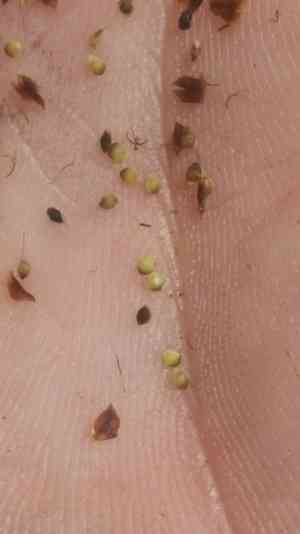
Shortbeak beaksedge (Rhynchospora nitens)
Also known as: Beaked Spike-rush
Shortbeak beaksedge is a sedge species recognized for its shimmering, silvery seed heads that catch the light. This plant flourishes in wet, sandy soils commonly found in open pine savannas. It features slender, grass-like leaves and golden-brown flowers that contribute to the area's natural beauty. The reflective seed heads not only draw attention but also aid in seed dispersal, promoting the spread of shortbeak beaksedge in its natural environment.
In This Article
Attributes of Shortbeak beaksedge
Lifespan
Annual, Perennial
Plant Type
Grass
Plant Height
30-60 cm
Spread
Not applicable, as it grows in clumps rather than having a canopy.
Leaf Color
Green
Flower Size
Small, less than 1 cm
Flower Color
White Yellow Brown
Images of Shortbeak beaksedge
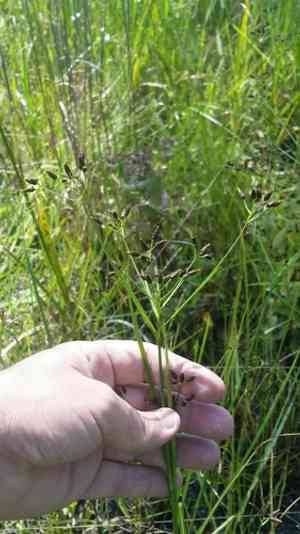
Quickly Identify Shortbeak beaksedge
1
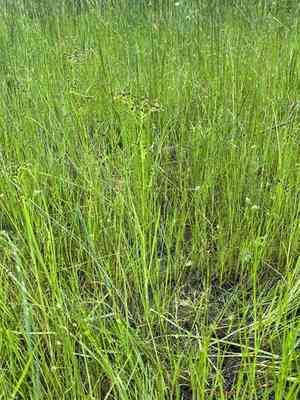
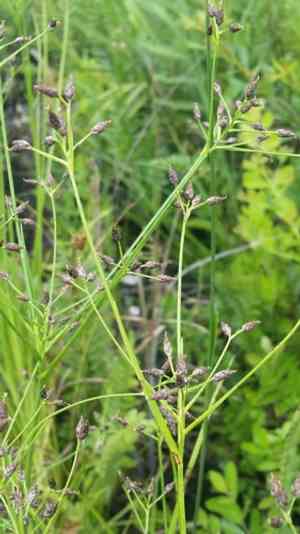
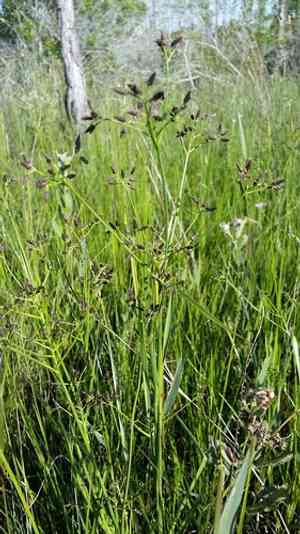
Identify Rhynchospora nitens by its slender stems and unique spikelets that have a beak-like appearance. It usually grows in clumps in wetland areas.
Scientific Classification of Shortbeak beaksedge
Phylum
Vascular plants
Class
Monocotyledons
Order
Poales
Family
Sedge
Genus
Beak-rushes
Species
Shortbeak beaksedge
Planting and Growing of Shortbeak beaksedge
Care Difficulty
Moderate
Watering Schedule
Every 2 days
Sunlight Requirements
Partial sun
Sunshine Duration
4-8 hours
Ideal Temperature
68-77℉
Soil Type
Potting Mix, Peat Mix
Soil pH
5.5-6.5
Fertilizer Type
Balanced
Pruning Season
Spring, Summer
Pruning Area
Branches, Leaves
Pruning Frequency
2 times a year
Repotting Season
Spring
Pot Type
Plastic, Ceramic
 How to Water Shortbeak beaksedge?
When watering Rhynchospora nitens, ensure the soil is thoroughly moist but not soggy. About 200 milliliters per watering should suffice, allowing water to reach the root depth without waterlogging.
What are the symptoms of an underwatered Shortbeak beaksedge?
›
What should I do if my Shortbeak beaksedge is not getting enough water?
›
What are the symptoms of an overwatered Shortbeak beaksedge?
›
How to save an overwatered Shortbeak beaksedge?
›
 What Are the Sunlight Requirements for Shortbeak beaksedge?
Rhynchospora nitens ideally benefits from partial sun to full sun conditions, receiving 4-6 hours of light daily. This promotes optimum photosynthesis, resulting in healthy foliage and sustained growth.
What is Rhynchospora nitens' ideal sunlight exposure?
›
How can I ensure ideal lighting for Rhynchospora nitens?
›
What are the benefits of maintaining ideal lighting for Rhynchospora nitens?
›
 What Is the Ideal Temperature Range for Shortbeak beaksedge?
Rhynchospora nitens prefers a warm climate for optimal growth, ideally between 68°F to 77°F. This range supports its growth processes effectively, including photosynthesis, nutrient absorption, and overall physiological functions. Maintaining this temperature range ensures robust growth, vibrant foliage, and the successful proliferation of the species.
 What Soil is Best for Shortbeak beaksedge?
Rhynchospora nitens thrives in soils that offer efficient drainage. It prefers sandy or loamy soils, which prevent water stagnation. This is crucial for avoiding root rot and promoting healthy growth. The plant benefits from a nutrient-rich soil composition. This ensures the plant receives sufficient minerals and nutrients, vital for vibrant foliage and resilience against pests. A slightly acidic soil pH enhances the plant's nutrient uptake abilities, optimizing growth and ensuring a lush appearance over time.
 How to Fertilize Shortbeak beaksedge?
Rhynchospora nitens generally requires a balanced approach when it comes to fertilizer amount. Using a diluted liquid fertilizer with N-P-K ratio around 10-10-10 is recommended. Typically, applying 1/4 to 1/2 strength of the suggested amount on the package is beneficial in avoiding over-fertilization while still providing essential nutrients.
 How to Prune Shortbeak beaksedge?
Begin by examining the plant to identify any unhealthy or excessive growth. Ensure good lighting conditions so you can clearly see the plant structure, which will guide where cuts need to be made. Carefully make cuts at a 45-degree angle just above a leaf node or a healthy bud. This encourages new shoots and ensures proper healing of the cuts. Gradually shape the plant to maintain a balanced form, removing no more than one-third of the plant's volume during each session.
 How to Propagate Shortbeak beaksedge plant?
1
Start by filling seed trays with a sterile potting mix. Sow the Rhynchospora nitens seeds evenly over the surface and cover them with a thin layer of soil. Ensure even spacing to prevent overcrowding.
2
After sowing, gently water the trays to moisten the soil mix. Use a fine mist sprayer to avoid dislodging the seeds. Maintain consistent moisture levels to encourage germination.
3
Place the seed trays in a location that receives bright, indirect sunlight. Avoid direct sunlight, which can dry out the soil quickly. Supplemental grow lights can be used to optimize light conditions.
 How to Repot Shortbeak beaksedge plant?
1
Rhynchospora nitens signals the need for repotting when its roots begin to crowd the pot or grow out of the drainage holes. Reduced growth and the rapid drying out of soil can also indicate it’s time for a new home. Ideally, aim for repotting during its growing season in spring or early summer to minimize stress on the plant.
2
Choose a pot that is one size larger than the current one, with sufficient drainage holes. This ensures the plant has more room to grow, preventing root-bound conditions while reducing waterlogging risk. Clay or terracotta pots are excellent as they allow breathability, essential for preventing root rot.
3
Opt for a well-draining, acidic soil mix, possibly containing peat, sand, and perlite. This type of soil ensures that water flows easily, preventing soggy conditions which can lead to root rot. Additionally, the acidity mirrors the plant’s natural habitat, promoting healthier growth post-repotting.
Learn More About Shortbeak beaksedge Diseases
Anthracnose
Bacterial Leaf Spot
Bacterial Soft Rot
Bacterial Wilt
Black Spot
Chemical Injury
Crown Gall
Cyst Nematode
Damping-off
Downy Mildew
Drought Stress
Fusarium Wilt
Gray Mold
Leaf Spot
Mosaic
Nutrient Deficiency
Nutrient Toxicity
Powdery Mildew
Root Rot
Root-knot Nematode
Rusts
Sooty Mold
Spider Mites
Temperature Stress
Thrips Damage
White Mold



