How to Propagate Shortbeak beaksedge?
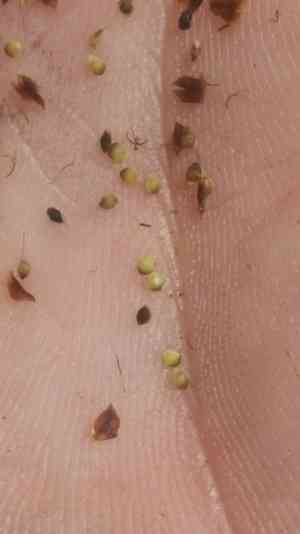
Shortbeak beaksedge flourishes in damp grasslands, swamps, and peatlands. For effective reproduction, plant seeds in a well-draining, humid seedbed. Guarantee steady hydration levels to stimulate sprouting. Preserve a clear-of-weeds area to avert rivalry. Frequently inspect for insects, as they can impede the development of young sprouts. Replant once the seedlings are sufficiently strong, being cautious not to harm fragile root systems.
When Is the Best Time to Propagate Shortbeak Beaksedge?
Propagation Type
Seeding
Propagation Season
Spring
What Equipment Is Used in Shortbeak Beaksedge Propagation?
Seed Tray
A seed tray offers a controlled setting for planting seeds. It's crucial for ensuring even seed distribution and sufficient moisture and light. Shortbeak beaksedge thrives in the consistent conditions a seed tray provides.
Fine Sieved Compost
Fine compost ensures seeds have proper contact with the soil and receive necessary nutrients. It minimizes the chance of seeds being buried too deep, which is vital for the delicate seeds of shortbeak beaksedge.
Misting Bottle
A misting bottle helps keep the soil surface damp without displacing seeds. Given the small size of shortbeak beaksedge seeds, gentle watering with a misting bottle prevents washing them away and ensures steady moisture levels.
Seed Sower
A seed sower aids in uniformly distributing seeds. This tool is especially useful for shortbeak beaksedge to prevent overcrowding and encourage better development.
Clear Propagation Lid
A clear propagation lid maintains humidity and warmth, creating an ideal micro-climate for sprouting. This is particularly important for shortbeak beaksedge to mimic its natural moist habitat during early growth stages.
Seed Label Markers
Label markers are essential for tracking different seed batches. Accurate labeling assists in monitoring shortbeak beaksedge germination progress and managing care routines.
Heat Mat
A heat mat ensures consistent soil temperatures, which can accelerate germination and improve seedling development. Shortbeak beaksedge may benefit from the stable warmth provided by a heat mat during propagation.
Tweezers
Tweezers assist in handling delicate seeds. For shortbeak beaksedge, using tweezers reduces the risk of damaging tiny seeds during planting.
pH Meter
Monitoring soil pH is critical to ensure optimal growing conditions. Using a pH meter helps maintain the ideal pH balance for shortbeak beaksedge's growth and development.
How to Propagate Shortbeak Beaksedge?
Propagation Type
Simple
How to Care for Your Newly Propagated Shortbeak Beaksedge?
How to Care for Your Newly Propagated Shortbeak Beaksedge?
Once shortbeak beaksedge seedlings appear, gradually expose them to more direct sunlight. Keep the growing medium consistently moist but not waterlogged. Thin out weaker seedlings to prevent overcrowding. As the plants mature, transplant them into individual pots or suitable garden spots, maintaining their preference for moist, well-draining soils. Regularly check for pests and diseases and ensure adequate air circulation around the plants.
Common Errors to Avoid When Propagating Shortbeak Beaksedge
Improper Soil Moisture Levels
Too much or too little moisture can hinder root development and promote diseases.
Incorrect Soil Type
Using soil that doesn't resemble shortbeak beaksedge's natural environment can lead to poor growth and propagation failure.
Over-crowding
Not spacing shortbeak beaksedge correctly can result in competition for nutrients, leading to weak plants.
Ignoring Light Requirements
Placing shortbeak beaksedge in unsuitable lighting conditions can cause stunted growth and poor health.
Non-sterile Tools
Using unsterilized tools can introduce pathogens, leading to disease in propagating plants.
Tips For Propagating Shortbeak Beaksedge
Maintain Optimal Soil Moisture
Keep the soil consistently damp but not saturated to encourage healthy root development.
Replicate Natural Soil Conditions
Use well-draining, slightly acidic to neutral soil that mimics shortbeak beaksedge's native habitat.
Provide Adequate Space
Ensure sufficient spacing to minimize competition for resources, allowing for robust growth.
Ensure Proper Lighting
Place shortbeak beaksedge in an area with partial shade to ensure it receives the appropriate amount of light.
Use Sterile Tools
Always use sterilized tools to reduce the risk of disease and promote healthy propagation.



