How to Transplant Western labrador tea?
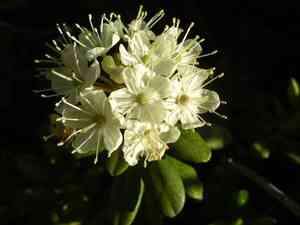
The optimal period for transplanting western labrador tea is in the mild warmth of mid to late spring, which encourages vigorous development. Select a location that receives plenty of sunlight and has soil that drains effectively. Should it be required, enrich the soil with organic material to facilitate the smooth establishment of western labrador tea.
What Preparations are Needed Before Transplanting Western Labrador Tea?
What is the Ideal Time for Transplanting Western Labrador Tea?
The best period for moving western labrador tea is during its spring revival, usually from when the ground thaws until consistent warmth arrives. Moving western labrador tea at this time allows them to settle before summer's heat. Establishing roots in mild spring conditions promotes vigorous development. This season provides western labrador tea ample time to get established, benefiting from moderate weather and increasing daylight, which together prepare it for a successful transition. The favorable, cool spring soil encourages western labrador tea to expand its roots, absorb nutrients, and gain strength before crucial summer flowering.
How Much Space Should You Leave Between Western Labrador Tea Plants?
When relocating western labrador tea, it's crucial to provide ample room for growth. Aim to space them approximately 4-6 feet (1.2-1.8 meters) apart. This ensures each plant has sufficient area to reach its full potential without becoming crowded.
What is the Best Soil Mix for Western Labrador Tea Transplanting?
For the healthiest western labrador tea, prepare a soil that is rich, acidic, and drains well. Incorporating peat or some pine bark can help achieve this. It's also beneficial to gently mix in a balanced, slow-release fertilizer to give western labrador tea a nutritional boost as it settles.
Where Should You Relocate Your Western Labrador Tea?
Let's find western labrador tea a new spot where the sun gently touches its foliage. A location with partial shade to full sunlight will be ideal. This means an area receiving about 4-6 hours of daily sunlight, where western labrador tea can enjoy morning rays but avoid the most intense afternoon glare.
What Equipments Should You Prepare Before Transplantation Western Labrador Tea?
Gardening Gloves
To safeguard your hands while handling soil and plants.
Spade or Shovel
For excavating the western labrador tea plant and preparing a new planting site.
Pruning Shears
To trim any lifeless or damaged roots or branches.
Watering Can or Hose
To hydrate the western labrador tea plant prior to and following transplantation.
Wheelbarrow
To move the western labrador tea and soil to its new position.
Garden Fork
To loosen the earth around the designated planting zone.
Mulch
To aid in moisture retention and regulate soil temperature post-transplant.
How Do You Remove Western Labrador Tea from the Soil?
How Do You Remove Western Labrador Tea from the Soil?
From Ground: First, hydrate the western labrador tea plant to moisten the soil. Next, dig a wide trench around the plant using a spade or shovel, ensuring the root ball remains intact. Carefully work the spade beneath the root ball to lift the western labrador tea from its original spot.From Pot: Start by watering the western labrador tea to facilitate removal. Tilt the container sideways and gently tap or squeeze it to loosen the soil. Slide the root ball out, taking care to support the plant and its roots.From Seedling Tray: Water the soil in the tray to make root extraction easy. Use a spoon or a small gardening tool to carefully lift the western labrador tea seedling by its leaves, not the stem, attempting to keep the root ball whole.
Step-by-Step Guide for Transplanting Western Labrador Tea
Prepare New Site
Choose a new planting area and use a garden fork to loosen the soil. Ensure it's a sufficient space for the western labrador tea to reach its mature size without crowding.
Excavate Planting Hole
Dig a hole in the new location that is twice as wide and equally as deep as the root ball of the western labrador tea.
Remove The western labrador tea
Follow the relevant section's advice on how to extract the western labrador tea from its initial spot, whether it's the ground, a pot, or a seedling tray.
Inspect and Trim Roots
Examine the western labrador tea's roots and use pruning shears to remove any parts that are dead or damaged.
Position in New Hole
Place the western labrador tea in the center of the new hole, making sure it is at the same soil depth as it was previously. Gently spread out the roots.
Backfill Soil
Carefully backfill the hole with soil, firming it around the base of the western labrador tea to eliminate air pockets. Water thoroughly after planting.
Apply Mulch
Apply a layer of mulch around the base of the western labrador tea, leaving some space around the stem to prevent rot.
How Do You Care For Western Labrador Tea After Transplanting?
Initial Watering
Keep the soil around the western labrador tea consistently moist, but not waterlogged, during the first few weeks to aid in strong root establishment.
Observing and Adjusting
Monitor the western labrador tea for indications of stress. Brown leaves or wilting can signal an issue. Modify your care routine as needed.
Mulching
Maintain a layer of mulch to help the soil retain moisture and shield the roots from temperature extremes as the western labrador tea becomes established.
Pruning
Trim any dead or damaged branches to encourage new growth and maintain plant vitality.
Troubleshooting Common Issues with Western Labrador Tea Transplantation.
What's the best time of year to transplant western labrador tea?
Relocate western labrador tea when the garden awakens, typically mid to late spring for optimal root establishment.
How far apart should western labrador tea be spaced when transplanting?
Ensure ample room for growth by spacing western labrador tea approximately 4-6 feet (1.2-1.8 meters) apart.
Why is my western labrador tea wilting after transplanting?
Wilting can be due to transplant shock. Keep soil moist and protect from harsh sunlight while it recovers.
How deep should the hole be for transplanting western labrador tea?
Dig a hole twice the width of the root ball and the same depth to encourage spreading.
What soil type is ideal for transplanting western labrador tea?
Choose well-draining, acidic soil rich in organic matter for western labrador tea to thrive after transplanting.
Can western labrador tea be transplanted on a hot day?
Avoid hot days for transplanting. Aim for a cool, overcast day to reduce transplant stress.
How much should I water western labrador tea after transplanting?
Water deeply after transplanting to settle the soil, then regularly to keep the soil moist but not soggy.
What should I do if the leaves of western labrador tea turn yellow post-transplant?
Yellowing may indicate overwatering or poor drainage. Adjust watering and ensure soil is well-draining.
How do I protect western labrador tea from frost after transplanting?
Mulch around the base and cover western labrador tea with a frost blanket if unexpected frost is forecasted.
Is it necessary to fertilize western labrador tea after transplanting?
Wait to fertilize western labrador tea until it shows new growth, indicating it’s emerging from transplant shock.



