How to Prune Western labrador tea?
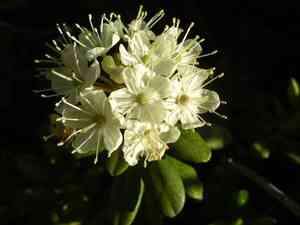
A hardy shrub native to elevated terrains, western labrador tea flourishes with infrequent trimming to maintain its form and well-being. Perform pruning during its dormant phase in winter, excising any lifeless or compromised branches and reducing crowded sections to facilitate air movement. Gently sculpt fresh shoots to foster a more compact structure. Trimming boosts vitality and wards off ailments, crucial for the enduring life of western labrador tea. Sanitize implements to prevent the dissemination of harmful agents. Avoid excessive cutting, as western labrador tea is accustomed to unhindered development with minimal human intervention.
What Are the Benefits of Pruning Western Labrador Tea?
What Are the Benefits of Pruning Western Labrador Tea?
Trimming western labrador tea boosts its vitality, promoting fresh shoots and helping it keep its desired shape. Strategic cuts can prevent excessive growth, ensuring the plant stays robust and visually appealing.
What Is the Best Time for Pruning Western Labrador Tea?
What Is the Best Time for Pruning Western Labrador Tea?
Pruning western labrador tea in late winter is advantageous as the plant remains dormant, reducing stress and minimizing sap loss that could attract pests. This timing allows for clear visibility of the structure for precise cuts, and ensures rapid wound healing with the arrival of spring growth. It also prevents the removal of flower buds, which formed the previous season, guaranteeing a full bloom display in spring. Dormancy pruning encourages vigorous growth and helps maintain the plant's health and form.
What Tools Do I Need to Prune Western Labrador Tea?
Bypass Pruners
Given western labrador tea's relatively compact size and slender stems, bypass pruners are perfect for making clean, accurate cuts without harming the plant's delicate tissues.
Pruning Shears
For routine upkeep and shaping of western labrador tea, pruning shears offer the necessary precision and control to foster healthy development and preserve the plant's inherent look.
Hand Saw
Should western labrador tea possess any old or thick woody branches, a sharp hand saw would be useful for making clean cuts without damaging the surrounding stem tissue.
Loppers
For reaching into denser areas of western labrador tea and for cutting slightly thicker branches that bypass pruners might not handle well, loppers with extended handles will provide the leverage needed for smooth cuts.
Gloves
To shield hands from scrapes and ensure a secure grip on tools while pruning western labrador tea, sturdy gardening gloves are essential.
How to Prune Western Labrador Tea
Detangle
Before pruning western labrador tea, gently untangle any interwoven branches to clearly identify withered leaves, dead, and diseased branches.
Sanitize
Disinfect pruning tools using alcohol or a bleach solution to prevent the spread of disease when cutting western labrador tea.
Remove Leaves
Snip off withered leaves at their base without tearing, making clean cuts to avoid damaging healthy parts of western labrador tea.
Cut Dead Branches
Using sharp, sanitized pruning shears, remove dead branches by cutting at a point just outside the collar, which is the swollen area where the branch meets the stem of western labrador tea.
Trim Diseased Branches
Carefully cut away diseased branches of western labrador tea, making sure to remove the entire infected area plus several inches into healthy wood to eradicate all traces of disease.
Common Pruning Mistakes with Western Labrador Tea
Overzealous pruning
Cutting back western labrador tea too aggressively can lead to weak growth or reduced flowering. It is crucial not to remove more than a third of the plant's overall foliage in one season, as this can stress the plant and lessen its vitality.
Improper cut locations
When pruning western labrador tea, cuts should be made just above a leaf node or latent bud. Incorrect cut placement can lead to improper new growth or damage the plant's natural shape.
Use of dull tools
Dull pruning tools can damage branches, leading to ragged cuts that are vulnerable to disease. Sharp, clean tools ensure precise cuts and a healthier plant.
Pruning healthy growth
Removing healthy growth indiscriminately may weaken western labrador tea. It's important to target dead, diseased, or overgrown branches rather than pruned vigorous, healthy branches.
Neglecting tool care
Failure to clean tools between uses may spread disease. Tools should be disinfected to prevent the transmission of pathogens to western labrador tea.
Common Pruning Tips for Western Labrador Tea
Assess before cutting
Before pruning, evaluate the plant to identify dead or diseased branches, which should be targeted first. This helps maintain the health and structure of western labrador tea.
Prune to shape
Carefully prune to maintain the natural shape of western labrador tea, which is typically rounded. Avoid imposing an unnatural form, as this can lead to an unbalanced and unhealthy plant.
Encourage air flow
Thin out dense growth to promote better air circulation within western labrador tea's foliage. This can reduce the likelihood of fungal diseases.
Promote new growth
Prune just above a leaf node facing the outside of the plant to encourage outward new growth, which helps western labrador tea develop a pleasing, open structure.
Sequential pruning
For mature or overgrown western labrador tea, spread out heavy pruning over several seasons to reduce stress on the plant and allow it to recover and fill out naturally.



