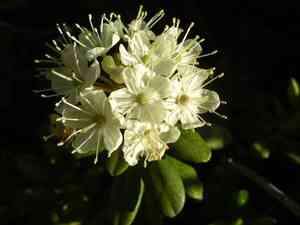
Western labrador tea (Rhododendron columbianum)
Also known as: Bog Labrador Tea, Swamp Tea
Western Labrador tea thrives predominantly in Canada and certain regions of the northern United States, particularly in cool, acidic, and boggy habitats. It can grow at elevations up to 3,353 meters, often found in boreal forests, peat bogs, and tundra landscapes.
While it is valued for its traditional medicinal uses, such as alleviating respiratory and digestive issues, caution is advised due to its potential toxicity. Additionally, the leaves emit a fragrance that can repel some insects.
In This Article
Attributes of Western labrador tea
Lifespan
Perennial
Plant Type
Shrub
Plant Height
2 m
Spread
90 cm to 1.2 m
Leaf Color
Dark green on the upper side and white-hairy on the underside
Flower Size
1.3 cm
Flower Color
White
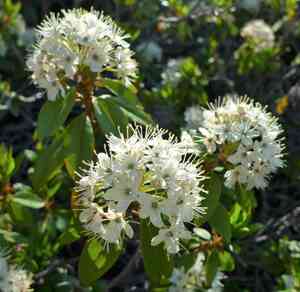
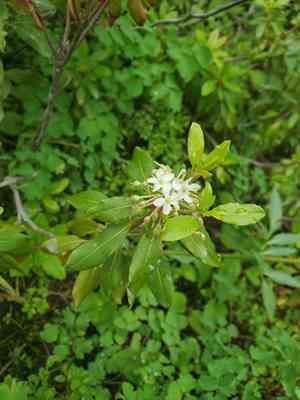
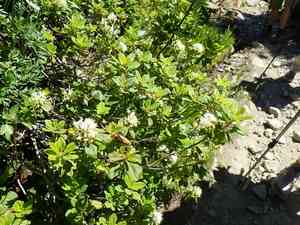
Images of Western labrador tea
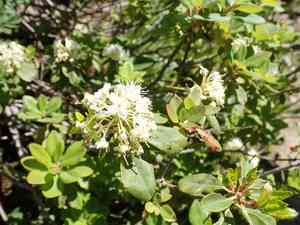
Quickly Identify Western labrador tea
1
This plant can be identified by its leathery, evergreen leaves which have a distinct rolled margin and a white underside with a dense mat of hairs. It produces clusters of small white or pale pink flowers.
Scientific Classification of Western labrador tea
Phylum
Vascular plants
Class
Dicotyledons
Order
Ericales
Family
Heath
Genus
Azaleas
Species
Western labrador tea
Planting and Growing of Western labrador tea
Care Difficulty
Easy
Watering Schedule
Every 3 days
Sunlight Requirements
Partial sun
Sunshine Duration
6-10 hours
Ideal Temperature
55-70℉
Soil Type
Potting Mix, Peat Mix
Soil pH
4.5-6
Fertilizer Type
Balanced
Pruning Season
Spring, Summer
Pruning Area
Branches, Leaves
Pruning Frequency
2 times a year
Repotting Season
Spring
Pot Type
Plastic, Ceramic
 How to Water Western labrador tea?
Rhododendron columbianum thrives best when the soil is consistently moist but not waterlogged. Ideally, you should aim to give about 500 ml of water each time, ensuring water reaches the root zone without causing pooling at the surface.
What are the symptoms of an underwatered Western labrador tea?
›
What should I do if my Western labrador tea is not getting enough water?
›
What are the symptoms of an overwatered Western labrador tea?
›
How to save an overwatered Western labrador tea?
›
 What Are the Sunlight Requirements for Western labrador tea?
Partial sun ensures healthy growth and vibrant blooms, while full sun in the morning can enhance flowering. This balance prevents stress and fosters optimal physiological processes.
More About Sunlight Requirements Techniques→
How much sunlight is ideal?
›
How to achieve ideal lighting conditions?
›
What are the benefits of ideal lighting?
›
 What Is the Ideal Temperature Range for Western labrador tea?
For optimal growth, Rhododendron columbianum thrives best within the temperature range of 55°F to 70°F. This range supports robust foliage development and promotes healthy blooming. Maintaining such temperatures ensures the plant doesn't undergo stress which could otherwise inhibit its growth.
 What Soil is Best for Western labrador tea?
Rhododendron columbianum requires soil that retains moisture well yet drains efficiently. Adequate moisture retention helps in sustaining the plant's growth by ensuring that it has constant access to water without being waterlogged, which can lead to root rot. The plant thrives in a nutrient-rich environment provided by organic matter in the soil. This abundance of nutrients enhances the growth of healthy foliage and blooms, ensuring the plant remains vibrant and lush throughout the growing season. Soil with good aeration prevents the roots of Rhododendron columbianum from suffocating and supports healthy root development. Well-aerated soil is essential for exchanging gases and facilitating root respiration, which is critical for plant health.
 How to Fertilize Western labrador tea?
For Rhododendron columbianum, the ideal fertilizer amount should be balanced. Use approximately 1/2 a cup of liquid fertilizer per plant every two weeks. For slow-release fertilizers, apply about 2 tablespoons per plant, ensuring nutrients are gradually infused into the soil.
 How to Prune Western labrador tea?
Begin by removing dead or damaged branches, trimming them down to the base. Focus on shaping the plant for a natural, open appearance that allows sunlight to reach all parts of the bush. Aim to cut back overgrown branches to a main bud to encourage balanced growth. For best results, focus on sections that appear congested to enhance air flow and reduce the risk of mildew.
More About Pruning Techniques→
 How to Propagate Western labrador tea plant?
1
Select healthy, non-flowering stems and cut them at an angle of 45 degrees to expose more cambium layer, encouraging root formation. Ensure each cutting is 5-10 cm in length and has at least two nodes.
2
To increase the chances of successful rooting, dip the cut end of each cutting in a rooting hormone. This promotes faster and stronger root growth.
3
Insert the cuttings into a well-draining growing medium, such as a mixture of peat and perlite, ensuring the nodes are covered but the leaves are above the soil surface.
 How to Repot Western labrador tea plant?
1
Repot Rhododendron columbianum when you notice roots growing out of the drainage holes, the soil drying out more quickly than usual, or stunted growth. These signs indicate the plant is root-bound and needs more space to grow.
2
Select a pot that is 1-2 inches larger in diameter than the current one. It should have adequate drainage holes to prevent water accumulation, as excess water can lead to root rot in rhododendrons, which prefer moist but not waterlogged conditions.
3
Use an acidic, well-draining soil mix, ideally one formulated specifically for azaleas or rhododendrons. This type of soil maintains the slight acidity that rhododendrons thrive in and prevents water from pooling around the roots, which can lead to fungal issues.
Toxicity
ingestion
WARNING
The judgment on toxicity and danger is for reference only. We DO NOT GUARANTEE any accuracy of such judgment. Therefore, you SHALL NOT rely on such judgment. It is IMPORTANT TO SEEK PROFESSIONAL ADVICE in advance when necessary.



