How to Transplant Kamchatka rhododendron?
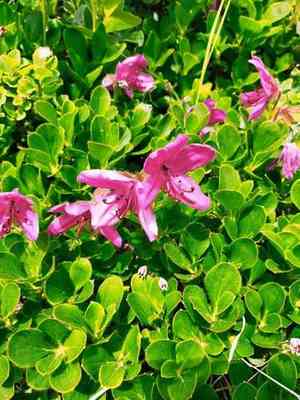
For kamchatka rhododendron, the optimal period for relocation is from the middle to the end of spring, leveraging favorable temperatures for root development. Place it in an area with partial shade to full sunlight, making sure the soil drains effectively. If needed, enrich the soil with organic material to improve the health of kamchatka rhododendron.
What Preparations are Needed Before Transplanting Kamchatka Rhododendron?
What is the Ideal Time for Transplanting Kamchatka Rhododendron?
The optimal time for moving kamchatka rhododendron is during the revitalizing period of mid to late spring. At this point, moderate weather aids kamchatka rhododendron's root development, ensuring a smooth transition to its new location. This season's consistent conditions are favorable for the root growth essential for kamchatka rhododendron's future prosperity. By selecting this prime transplanting window, you are providing kamchatka rhododendron with the gentle climate it prefers, enhancing its prospects for vigorous growth and successful blooming.
How Much Space Should You Leave Between Kamchatka Rhododendron Plants?
When preparing to rehouse your kamchatka rhododendron, ensure a spacing of 2-3 feet (60-90 cm) between them. This provides ample room for each plant to thrive and display its beauty!
What is the Best Soil Mix for Kamchatka Rhododendron Transplanting?
To give your kamchatka rhododendron the best start, incorporate organic material such as compost or peat moss into well-draining soil. A foundational fertilizer, like a balanced 10-10-10 slow-release blend, will supply crucial nutrients for healthy development.
Where Should You Relocate Your Kamchatka Rhododendron?
Your kamchatka rhododendron appreciates some shade! Locate a spot that receives filtered sunlight or partial shade, steering clear of intense midday sun, to help your kamchatka rhododendron flourish in its new environment.
What Equipments Should You Prepare Before Transplantation Kamchatka Rhododendron?
Gardening Gloves
To safeguard your hands while handling soil and plants.
Spade or Shovel
For digging around and lifting the kamchatka rhododendron's root ball.
Hand Trowel
Useful for detailed work near roots and for excavating the transplant hole.
Watering Can or Hose
To hydrate the kamchatka rhododendron before and after its relocation.
Pruning Shears
For trimming any lifeless or damaged roots or foliage.
Wheelbarrow or Garden cart
To move the kamchatka rhododendron and soil.
Mulch
To assist in retaining moisture and regulating soil temperature around the kamchatka rhododendron post-transplant.
How Do You Remove Kamchatka Rhododendron from the Soil?
How Do You Remove Kamchatka Rhododendron from the Soil?
From Ground: Hydrate the kamchatka rhododendron to moisten the soil. Carefully excavate around the plant with a spade, creating a wide perimeter to avoid cutting into the root ball. Gently work beneath the root ball and lift the plant, striving to preserve as many roots as possible.From Pot: Tilt the container sideways, tap the base, and carefully slide the root ball out. Support the plant by holding the stem's base, near the soil, to prevent harm.From Seedling Tray: Utilize a hand trowel or a fork to carefully extract the kamchatka rhododendron from its compartment. Be cautious not to harm the root system while separating it from adjacent seedlings.
Step-by-Step Guide for Transplanting Kamchatka Rhododendron
Preparation
Gather all necessary tools and thoroughly water the kamchatka rhododendron prior to commencing the transplanting process.
Rootball Care
Dig around the kamchatka rhododendron with ample space to prevent damage and lift it carefully, ensuring the root ball remains intact for a successful transplant.
Hole Preparation
In the new spot, dig a hole twice as wide as the kamchatka rhododendron's root ball to allow roots to spread easily. The depth should ensure the kamchatka rhododendron sits at its original growing level.
Placement
Position the kamchatka rhododendron in the center of the new hole. Gently spread the roots outwards and remove any damaged roots with pruning shears.
Filling In
Backfill the hole with soil around the kamchatka rhododendron, gently firming it down to eliminate large air pockets and ensure good soil-to-root contact.
Watering
Water the kamchatka rhododendron generously after planting to help settle the soil around the roots and hydrate the plant.
Mulching
Apply a layer of mulch around the base of the kamchatka rhododendron to aid in moisture retention and temperature regulation.
Support
If the kamchatka rhododendron is larger or top-heavy, consider staking it for additional support until the roots are established.
How Do You Care For Kamchatka Rhododendron After Transplanting?
Watering
Provide the kamchatka rhododendron with consistent moisture during the initial weeks, allowing the plant to recover and roots to establish without becoming waterlogged.
Mulching
Maintain a protective layer of mulch to help regulate moisture and temperature around the kamchatka rhododendron.
Support Checking
Regularly inspect any stakes or supports to ensure they are effectively providing stability and not harming the growing kamchatka rhododendron.
Pruning
Trim away any dead or damaged growth to encourage healthy new foliage on the kamchatka rhododendron.
Troubleshooting Common Issues with Kamchatka Rhododendron Transplantation.
When's the best time to transplant kamchatka rhododendron?
The most suitable period is when the air is mild, from mid to late spring.
What's the ideal distance between transplanted kamchatka rhododendron?
Space them 2-3 feet apart (60-90 cm) to ensure they have room to flourish.
Why is my kamchatka rhododendron wilting after transplanting?
Wilting could be due to transplant shock. Ensure adequate water and avoid direct sun initially.
How deep should I plant kamchatka rhododendron when transplanting?
The root ball should be level with the soil surface, not deeper or shallower.
Should I prune kamchatka rhododendron when transplanting?
Prune only damaged or dead parts to help the plant focus on root establishment.
What kind of soil works best for transplanting kamchatka rhododendron?
Use well-drained soil rich in organic matter, with a pH close to neutral for optimal growth.
How much should I water kamchatka rhododendron after transplanting?
Water deeply after planting and then regularly, but avoid waterlogging the soil.
Can I transplant kamchatka rhododendron on a hot day?
It's best to avoid hot days. Overcast skies or cooler temperatures reduce transplant stress.
Why are the leaves of my kamchatka rhododendron turning yellow after transplanting?
This can be a sign of over-watering or lack of nutrients. Adjust care accordingly.
How can I help my kamchatka rhododendron recover from transplant shock?
Keep soil moist, protect from extreme weather, and avoid fertilizing until new growth appears.



