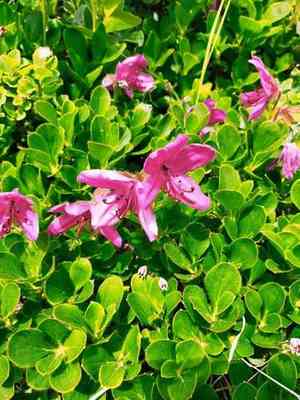
Kamchatka rhododendron (Rhododendron camtschaticum)
Also known as: Kamchatka rhododendron, Kamchatka azalea
The Purple Saxifrage (Saxifraga oppositifolia) is a resilient perennial shrub native to subarctic regions, well-suited to endure harsh climates. It showcases lush green leaves and striking pink to purple flowers, each with a distinctive shape. Typically, this compact plant remains under 20cm tall, making it ideal for alpine tundra and rocky landscapes where it forms dense, attractive mats, offering beautiful ground cover.
In This Article
Attributes of Kamchatka rhododendron
Lifespan
Perennial
Plant Type
Shrub
Plant Height
30 cm
Spread
90 cm
Leaf Color
Green
Flower Size
2.5 cm to 3.5 cm
Flower Color
Red Purple Pink
Images of Kamchatka rhododendron
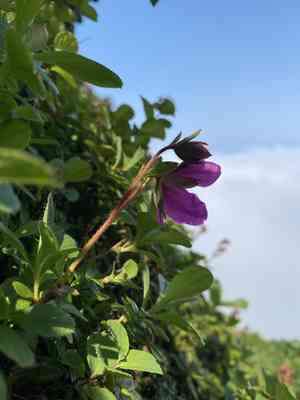
Quickly Identify Kamchatka rhododendron
1
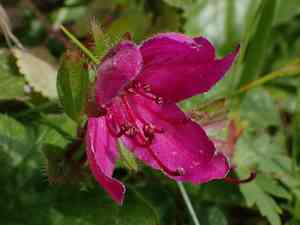
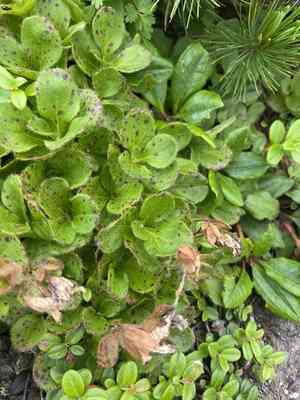
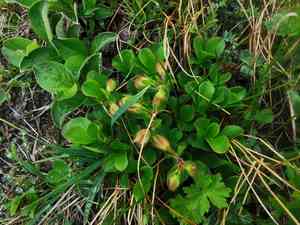
Look for a low-growing shrub with leathery, oblong leaves and striking, bell-shaped pink to reddish-purple flowers. The leaves are evergreen and often have a glossy appearance.
Scientific Classification of Kamchatka rhododendron
Phylum
Vascular plants
Class
Dicotyledons
Order
Ericales
Family
Heath
Genus
Azaleas
Species
Kamchatka rhododendron
Planting and Growing of Kamchatka rhododendron
Care Difficulty
Easy
Watering Schedule
Every 8 days
Sunlight Requirements
Partial sun
Sunshine Duration
6-10 hours
Ideal Temperature
50-68℉
Soil Type
Potting Mix, Peat Mix
Soil pH
4.5-6.5
Fertilizer Type
Balanced
Pruning Season
Spring, Summer
Pruning Area
Branches, Leaves
Pruning Frequency
2 times a year
Repotting Season
Spring
Pot Type
Plastic, Ceramic
 How to Water Kamchatka rhododendron?
When watering Rhododendron camtschaticum, aim for a thorough soak with about 500 ml per session. The key is to ensure the soil is consistently moist but not waterlogged. Excess standing water should be avoided to prevent root rot.
What are the symptoms of an underwatered Kamchatka rhododendron?
›
What should I do if my Kamchatka rhododendron is not getting enough water?
›
What are the symptoms of an overwatered Kamchatka rhododendron?
›
How to save an overwatered Kamchatka rhododendron?
›
 What Are the Sunlight Requirements for Kamchatka rhododendron?
Partial to full sunlight, where sunlight is filtered but can occasionally receive full sun. Ideal light helps to optimize bloom production and ensures vibrant leaf coloration.
What is the best exposure for Rhododendron camtschaticum?
›
How can I create the ideal lighting environment?
›
What benefits do ideal lighting conditions provide?
›
 What Is the Ideal Temperature Range for Kamchatka rhododendron?
The ideal temperature range for Rhododendron camtschaticum is between 50°F and 68°F. Within this range, the plant can grow optimally, maintaining its structural integrity and vibrant hues. Temperature stability in this range supports metabolic processes and reinforces the plant's immune system against diseases and pests. Establishing this environment is essential for healthy flowering and leaf formation.
 What Soil is Best for Kamchatka rhododendron?
Rhododendron camtschaticum requires well-draining soil to avoid root rot. This characteristic ensures that the plant's roots can breathe and do not suffocate in overly wet conditions, promoting healthy growth. This plant thrives in soil rich in organic matter, as it provides essential nutrients required for growth. The decomposition of organic material enhances soil fertility, leading to robust plant health and vibrant blooms. While drainage is necessary, the soil should also retain some moisture to provide continuous hydration to the roots. This balance is crucial for sustaining the plant's lush foliage and flower production.
 How to Fertilize Kamchatka rhododendron?
Rhododendron camtschaticum thrives on a balance of nutrients. Optimal fertilization involves providing just enough nutrients to encourage healthy growth but ensuring not to overwhelm the delicate root system. As a general guideline, use a water-soluble fertilizer in a concentration of about 10-20-10 N-P-K ratio. This dilute amount ensures the roots absorb just the right amount without burning.
 How to Prune Kamchatka rhododendron?
Begin by cutting away any dead, damaged, or diseased wood. This involves identifying and removing branches that show no new growth, have visible rot, or show signs of insect infestation. This not only improves the plant’s aesthetics but also prevents the spread of disease. To maintain a natural shape, selectively prune branches that grow outside of the desired form. Make cuts just above a leaf node or dormant bud to encourage new growth in the desired direction, helping the plant maintain its structural integrity. Thinning out is crucial for allowing light and air to penetrate the canopy, which promotes healthy growth. Lightly trim branches that cluster too densely to prevent a thick, overgrown appearance and promote even nutrient distribution.
More About Pruning Techniques→
 How to Propagate Kamchatka rhododendron plant?
1
Select healthy, non-flowering stems for cuttings. The stem should be approximately 4-6 inches long and have several leaves but no flowers.
2
Use a well-draining soil mix composed of peat and sand. This composition provides adequate drainage and aeration for young roots.
3
Insert the prepared cuttings into the soil mix. Maintain humidity by covering them with a plastic dome and placing them in indirect sunlight.
 How to Repot Kamchatka rhododendron plant?
1
Look for signals like roots emerging from drainage holes or slowed growth, which indicate the need for repotting. Ideally, repot when the plant is not in active bloom to minimize stress.
2
Select a pot that is one size larger than the current one. Ensure it has good drainage to prevent root rot, as this species requires well-draining conditions to thrive and avoid soggy roots.
3
Opt for a well-draining acidic mix, rich in organic matter. This type of soil will mimic the plant's natural habitat, promoting healthy growth and vibrant blooms.
Toxicity
Ingestion
WARNING
The judgment on toxicity and danger is for reference only. We DO NOT GUARANTEE any accuracy of such judgment. Therefore, you SHALL NOT rely on such judgment. It is IMPORTANT TO SEEK PROFESSIONAL ADVICE in advance when necessary.



