How to Prune Kamchatka rhododendron?
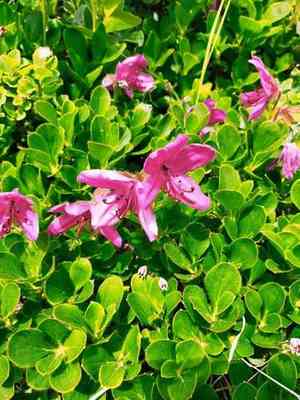
Valued for its vivid blossoms, kamchatka rhododendron thrives with trimming to preserve its form and stimulate flowering. Perform a light trim following blooming to eliminate spent flowers and sculpt the plant. Significant pruning ought to occur in early spring or during winter, focusing on branches that are frail, ailing, or excessively large. This improves air movement and the plant's vitality. Refrain from extensive pruning late in the growing period to avoid severing the buds for the subsequent season. Regular, meticulous pruning fosters strong well-being and an abundance of flowers.
What Are the Benefits of Pruning Kamchatka Rhododendron?
What Are the Benefits of Pruning Kamchatka Rhododendron?
Trimming kamchatka rhododendron encourages the development of flowers, leading to more vibrant and plentiful blossoms. It also aids in eliminating diseased or damaged tissues, thereby decreasing the chance of pest infestations and disease propagation, fostering a healthier and more robust plant.
What Is the Best Time for Pruning Kamchatka Rhododendron?
What Is the Best Time for Pruning Kamchatka Rhododendron?
Pruning or trimming kamchatka rhododendron is best done in early spring or during winter. These periods are considered optimal because in early spring, just before new growth begins, removing dead or diseased branches allows kamchatka rhododendron to direct energy towards producing new, healthy growth. Winter pruning is ideal when the plant is dormant; it minimizes stress on kamchatka rhododendron, and with sparse or absent foliage, it's easier to see the plant's structure for more precise pruning. Additionally, pruning during dormancy helps prevent the spread of diseases and pests that are less active in cold weather. It also avoids cutting off flower buds that develop on old wood, ensuring the flowering period is not negatively impacted.
What Tools Do I Need to Prune Kamchatka Rhododendron?
Bypass Pruners
For precise cuts on smaller stems of kamchatka rhododendron, bypass pruners are essential due to their sharp, scissor-like action. They ensure clean cuts without crushing plant tissues.
Pruning Saws
If kamchatka rhododendron has mature stems too thick for pruners, a pruning saw with fine teeth is suitable for making clean cuts without harming the plant.
Loppers
To reach into the dense growth of kamchatka rhododendron without damaging surrounding foliage, long-handled loppers provide leverage for cutting slightly thicker branches.
How to Prune Kamchatka Rhododendron
Clean tools
Sanitize pruning shears or scissors before beginning. This prevents disease transmission to kamchatka rhododendron.
Remove dead material
Remove any dead branches by cutting at their base where they meet healthy wood. Carefully trim away diseased and withered leaves from kamchatka rhododendron to prevent infections.
Thin branches
Thin out excessive growth branches to improve air circulation and light penetration. Cut these branches at their point of origin, but be cautious to maintain the natural shape of kamchatka rhododendron.
Trim withered flowers
Trim off withered flowers to encourage new blooms. Make cuts above the first set of leaves below the spent flowers on kamchatka rhododendron.
Inspect aftercare
Inspect kamchatka rhododendron for any missed spots. Discard all removed material properly and clean the tools again to prevent disease transmission in the future.
Common Pruning Mistakes with Kamchatka Rhododendron
Over pruning
Removing too much of kamchatka rhododendron's foliage or branches can weaken the plant and potentially lead to its death. Kamchatka rhododendron typically only needs light pruning to maintain its shape and health.
Improper cut location
Making cuts too far from the bud on kamchatka rhododendron can lead to dead wood and increased vulnerability to disease. Cuts should be made close to the bud without damaging it.
Using dull tools
Dull pruning tools can cause tearing and ragged cuts on kamchatka rhododendron, which may lead to disease or pest problems. Always use sharp, clean tools for a clean cut.
Pruning healthy buds
Accidentally removing healthy buds on kamchatka rhododendron can reduce flowering. Differentiate between old and spent blooms and healthy buds reserved for future flowers.
Common Pruning Tips for Kamchatka Rhododendron
Hygienic practices
Before pruning kamchatka rhododendron, sterilize the tools to prevent the spread of diseases. A solution of bleach or alcohol can be used to disinfect the tools.
Correct cut angle
Make sure to prune kamchatka rhododendron with an angled cut above the bud to allow water to run off, which prevents rot and disease.
Thin crowded areas
Thinning out crowded areas of kamchatka rhododendron improves air circulation and light penetration, which is essential for preventing fungal diseases and encouraging blooms.
Preserve plant shape
When pruning kamchatka rhododendron, aim to maintain its natural shape by selectively removing wayward branches, which promotes a balanced, aesthetically pleasing form.



