How to Transplant Red Mangrove?
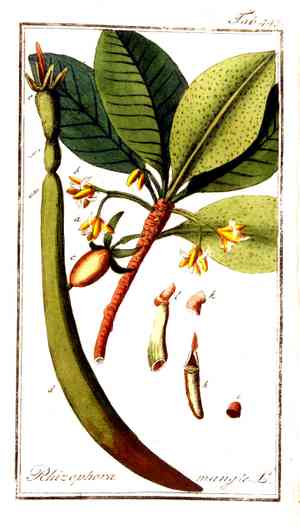
Relocate red Mangrove during the revitalizing period of early to mid-spring to ensure the best chance of taking root. Select a shoreline environment featuring saline waters, allowing red Mangrove to flourish. Bear in mind that careful handling and preserving their fragile root structure are crucial for a smooth transfer.
What Preparations are Needed Before Transplanting Red Mangrove?
What is the Ideal Time for Transplanting Red Mangrove?
The beginning of spring, specifically from early to mid-spring, is the best period for relocating red Mangrove. This timing coincides with the start of their vigorous growth phase, making it an excellent season for the plants to establish themselves in a new spot. During this time, the environment supports root development and speeds up recovery from transplant shock, ensuring a smooth transition for red Mangrove. A helpful hint: moving red Mangrove when the air and soil are warming up provides the best chance for these perennials to flourish, boosting their resilience and growth trajectory.
How Much Space Should You Leave Between Red Mangrove Plants?
When relocating your red Mangrove, ensure a spacing of approximately 3-5 feet (0.9-1.5 meters) between each plant. This allows ample room for individual growth without competition, enabling them to reach their full, beautiful form.
What is the Best Soil Mix for Red Mangrove Transplanting?
For red Mangrove, the soil composition is crucial. They thrive in salt-marsh environments, so ensure your soil is loamy and drains well. Additionally, enrich your soil with a base compost or seaweed-based fertilizer before transplanting to supply the nutrients they prefer!
Where Should You Relocate Your Red Mangrove?
Sunlight is vital for the healthy development of your red Mangrove. Aim to plant them in a sunny spot where they will receive 6-8 hours of direct sunlight daily. Remember, your plants love warmth and light!
What Equipments Should You Prepare Before Transplantation Red Mangrove?
Gardening Gloves
To safeguard your hands while handling the plant and soil.
Shovel or Spade
Necessary for extracting the red Mangrove from its original location and preparing the new planting site.
Wheelbarrow
Useful for transporting the red Mangrove and preventing damage to its root system during relocation.
Watering Can or Garden Hose
Required to keep the root system moist throughout the process, and to hydrate the plant once it's in its new spot.
Organic Mulch
Used to help maintain soil moisture around the red Mangrove after it has been transplanted.
Stakes and Plant Ties
A stake can offer additional support to the red Mangrove post-transplant, secured gently with plant ties.
How Do You Remove Red Mangrove from the Soil?
How Do You Remove Red Mangrove from the Soil?
From Ground: Start by thoroughly watering the red Mangrove to dampen the soil and lessen plant stress. Once the soil is moist, use a shovel or spade to dig a wide circle around the plant, deep enough to clear the root system. Carefully lift the red Mangrove from the ground, preserving as much of the root ball as possible.From Pot: Water the red Mangrove, then gently tilt the pot sideways and slide the plant out, being careful not to pull or harm the stem.From Seedling Tray: If your red Mangrove is a young seedling, gentle handling is crucial. Water the tray well, then carefully lift the seedling using a small fork or your hands, supporting the roots and keeping as much soil with them
Step-by-Step Guide for Transplanting Red Mangrove
Digging
Excavate a hole in the chosen spot that is twice as wide, and slightly deeper than, the root ball of the red Mangrove.
Preparation
Place the red Mangrove into the hole, ensuring the top of the root ball is level with the ground surface. Adjust the soil beneath the root ball if necessary.
Placing the Plant
Position the red Mangrove so it faces the desired direction. Gently spread out the roots within the hole if needed.
Backfilling
Refill the hole with soil, gently firming it around the base of the red Mangrove.
Watering
Thoroughly water the red Mangrove, ensuring proper soil settlement around the roots.
Mulching
Apply a layer of organic mulch around the red Mangrove to help retain moisture and inhibit weed growth.
Staking
If required, stake the red Mangrove for additional support and to prevent structural damage from strong winds.
How Do You Care For Red Mangrove After Transplanting?
Water Frequency
Immediately after transplanting, water the red Mangrove thoroughly and continue this practice regularly in the subsequent weeks.
Weed Control
Keep an eye out for any weeds near the red Mangrove's base. Remove them promptly to avoid competition for nutrients and water.
Check Staking
Periodically inspect any staking. Adjust the ties if necessary to prevent them from constricting the growing stem.
Monitor Health
Closely observe red Mangrove for any indications of transplant shock, such as wilting foliage or stunted growth. In the event of sudden decline, consult a professional gardener or local nursery.
Troubleshooting Common Issues with Red Mangrove Transplantation.
When is the best time to translocate red Mangrove?
The optimal period to move red Mangrove is during the S1-S2 season when the plant exhibits robust growth and adapts well to new environments.
What should be the spacing between each red Mangrove when transplanting?
Ensure each red Mangrove has sufficient room to develop—approximately 3-5 feet (0.9-1.5 meters). This promotes good air circulation and minimizes plant competition.
How deep should the planting hole be for red Mangrove?
The hole should be twice the width of the root ball and equally deep. This encourages root expansion and provides stable support for red Mangrove.
Why are my transplanted red Mangrove plants wilting?
Wilting can signal transplant shock. Ensure red Mangrove is adequately watered, and try to minimize root disturbance during the transplanting process.
Can I transplant red Mangrove during the flowering stage?
It's advisable to wait until the flowering stage concludes. Transplanting during this phase might stress the plant, leading to dropped blossoms or stunted development.
What kind of soil does red Mangrove prefer during transplantation?
Red Mangrove thrives in well-draining, fertile soil—slightly acidic to neutral. Enrich the soil with organic matter for optimal growth after transplant.
What's the best way to water red Mangrove right after transplanting?
Water red Mangrove generously immediately after transplant. This helps settle the soil around the roots, eliminating air pockets. However, avoid overwatering to prevent root rot.
Why are the leaves of my transplanted red Mangrove turning yellow?
Yellow leaves might indicate plant stress or insufficient nutrients. Ensure proper watering and consider a balanced, slow-release fertilizer.
Can I move a mature red Mangrove? How?
Yes, but it requires careful attention to protect the root structure. Early in S1-S2, carefully dig around and beneath the plant. Execute the move quickly to minimize stress.
Do transplanted red Mangrove require any specific care?
After relocation, red Mangrove needs consistent watering until established. Monitor the plant's health, ensure it's free from pests, and provide a high-quality fertilizer.



