How to Overwinter Red Mangrove
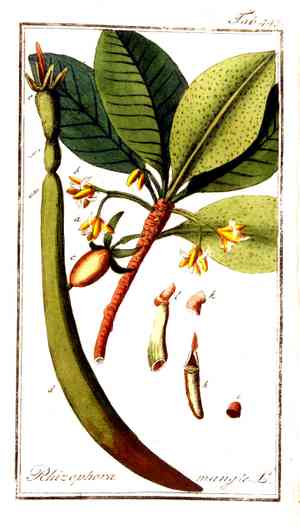
1
Red Mangrove, a tropical species, is susceptible to frost, necessitating careful winter maintenance.
2
Keep indoor moisture levels between 60-80% for your Red Mangrove's best winter development.
3
Slowly introduce Red Mangrove to an indoor environment over a fortnight to lessen shock.
Why Overwintering Red Mangrove is Essential?
Why Overwintering Red Mangrove is Essential?
Overwintering Red Mangrove is vital due to its delicate sensitivity to frost. As a tropical species, Red Mangrove flourishes in warm climates and can suffer significantly in cold temperatures. Without proper winter care, these plants may experience considerable stress or even perish. Successfully overwintering them ensures they stay healthy and are ready to thrive once warmer weather returns. Additionally, providing adequate winter care helps maintain their unique root systems, which are crucial for their overall health.
Ideal Indoor Environment for Red Mangrove During Winter
Temperature Requirements
Red Mangrove needs a consistent temperature to thrive during colder months. Aim for a temperature range of 24-28°C (75-82°F). Avoid placing the plant near drafts or in areas prone to temperature shifts, such as close to doors or windows. Steady warmth mimics its natural tropical habitat and keeps the plant healthy.
Humidity Levels
Humidity plays a crucial role in the well-being of Red Mangrove. Ideally, maintain indoor humidity levels between 60-80%. This can be achieved by using a humidifier or placing a tray of water near the plant to increase air moisture. Dry indoor air, especially from heating systems, can dehydrate the plant, leading to stress and leaf damage.
Lighting Conditions
Red Mangrove requires ample light to sustain its growth during winter. Position the plant in a spot where it can receive indirect but bright illumination. If natural light is insufficient, consider using grow lights for 10-12 hours daily to simulate daylight. Ensuring adequate lighting helps maintain its photosynthesis process and overall vitality.
How to Prepare Red Mangrove for Indoor Transition?
Gradual Acclimatization
To prevent shocking your Red Mangrove, slowly acclimate it to the indoor environment over two weeks. Begin by moving the plant indoors for a few hours each day, gradually increasing the duration. This slow transition helps the plant adjust to changes in light, temperature, and humidity, reducing the risk of stress.
Inspecting for Pests and Diseases
Before bringing your Red Mangrove indoors, thoroughly inspect it for pests and diseases. Check the leaves, stems, and roots for signs of infestation or fungal growth. If any pests or diseases are detected, treat them promptly with appropriate solutions to prevent the problem from spreading indoors.
Pruning and Cleaning
Pruning and cleaning your Red Mangrove before bringing it indoors is essential. Remove any dead or damaged leaves and branches. Cleaning the plant ensures it remains healthy and vibrant, preventing potential pest invasions during the winter months.
Troubleshooting Common Issues During Overwintering
Yellowing Leaves
Yellowing leaves can indicate several issues, such as overwatering, insufficient light, or nutrient deficiency. Ensure the plant receives adequate light and check your watering schedule. Yellow leaves may also signal a need for a gentle fertilizer.
Root Rot
Root rot is a serious issue caused by overwatering. If you suspect root rot, reduce watering and ensure the plant has proper drainage. You may need to trim affected roots and repot the plant in fresh soil.
Pest Infestation
Pests like spider mites, aphids, and mealybugs can become more prominent indoors. Regularly inspect your Red Mangrove and treat any infestations promptly with insecticidal soap or neem oil. Maintaining a clean environment around the plant can help prevent pests from settling in.



