How to Transplant King fern?
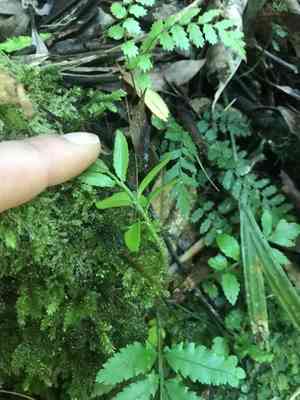
The optimal period for transplanting king fern is during the vibrant onset of spring, specifically from its beginning through mid-season. Select a shaded location featuring damp, nutrient-rich earth. Although the relocation process is straightforward, confirm that king fern possesses sufficient room to thrive.
Preparations Required Before Relocating King Fern?
Optimal Period for King Fern Relocation?
For king fern, the arrival of warmer days, typically from early spring's awakening until late spring's full bloom, offers the ideal transplanting window. This timeframe provides king fern with extended daylight and moderate temperatures, fostering robust root establishment and development. Relocating during this period leverages the natural growth cycle of perennials, giving king fern the best start in its new spot before summer's heat arrives. A friendly reminder: king fern appreciates your effort in selecting this prime timing for a flourishing future!
Recommended Spacing Between King Fern Plants?
When preparing a new home for king fern in your garden, aim for ample space between them to allow for generous growth. A distance of 24-36 inches (61-91 cm) will suffice!
Best Soil Blend for King Fern Transplanting?
Before introducing king fern to its new location, ensure the soil is fertile, organic, and drains well. Incorporating compost or a balanced slow-release fertilizer will give king fern an excellent start. A slightly acidic to neutral pH is precisely what it desires!
Where to Replant Your King Fern?
Select a site where king fern can enjoy filtered sunlight or partial shade. Avoiding harsh afternoon sun will keep king fern content. This spot should also be shielded from strong winds to safeguard its delicate fronds.
Equipment Needed Before Transplanting King Fern?
Gardening Gloves
To safeguard your hands while handling soil and the plant.
Spade or Shovel
For excavating the king fern for relocation and preparing the new planting site.
Watering Can or Hose
To hydrate the king fern before and after transplanting to minimize shock.
Wheelbarrow
For moving the king fern and soil.
Garden Fork
To loosen the soil surrounding the plant's rootball.
Pruning Shears
To trim any damaged roots or foliage prior to transplanting.
Measuring Tape
To gauge the width and depth of the root ball and the new planting hole.
Stakes and Ties
To offer support to the king fern after transplanting if necessary.
How to Extract King Fern from the Soil?
How to Extract King Fern from the Soil?
From Ground: First, moisten the king fern to dampen the soil. Then, excavate a wide trench around the plant using a shovel or spade, ensuring the plant's root ball remains intact. Carefully work the spade beneath the root ball to lift the plant from its original spot.From Pot: Water the king fern and allow it a moment for the water to permeate. Gently tap and roll the pot to loosen the soil. Turn the pot on its side and carefully slide the king fern out by pulling on the base of the stem, supporting the root ball.From Seedling Tray: Water the soil in the seedling tray. Use a spoon or small implement to loosen the soil around the seedling. Carefully lift the king fern by holding onto a leaf, not the stem, ensuring you retain a good amount of soil with the roots.
Step-by-Step Guide for Relocating King Fern
Prepare the New Site
Dig a hole that is twice as wide and the same depth as the king fern's root ball.
Examine the Root Ball
Check the roots for any signs of damage or disease and trim as needed.
Loosen the Roots
If the roots are pot-bound or circling, gently separate them to encourage outward growth.
Position the Plant
Place the king fern in the center of the hole, ensuring it stands upright and at the same level as its original location.
Backfill the Hole
Carefully refill the hole with the excavated soil, gently firming it around the roots to eliminate air pockets.
Stabilize the Plant
If the king fern is top-heavy or in a windy area, stake the plant to provide additional support.
Water Thoroughly
Deeply water the king fern to settle the soil and hydrate the roots. Avoid wetting the foliage to minimize the risk of fungal diseases.
Post-Transplant Care for King Fern?
Mulching
Apply a layer of mulch around the base of the king fern to help retain soil moisture and regulate soil temperature.
Staking
Inspect and adjust any stakes or supports as the king fern grows to ensure their effectiveness without causing harm.
Pruning
Trim any damaged or excessive growth to encourage a strong, healthy form in the king fern.
Monitoring
Observe the king fern for signs of stress such as wilting or discoloration and take appropriate action.
Follow-Up Watering
For the initial few weeks, water the king fern regularly to aid root establishment. Afterward, adjust watering to suit the king fern's maturity and requirements.
Addressing Common Issues with King Fern Transplantation.
What's the ideal time of year to transplant king fern for optimal growth?
Transplanting king fern thrives when performed during the early to late spring period, providing a gentle growing environment.
How much space should I allow between king fern when transplanting?
Ensure a generous spacing of 24-36 inches (60-90 cm) between each king fern to accommodate their growth.
What should I do if king fern wilts after transplanting?
Avoid panic; wilting can be temporary. Minimize stress by offering shade and moisture until the king fern recovers.
How deep should the hole be for transplanting king fern?
Dig a hole that's twice the width of the root ball and equal in depth, to encourage proper root expansion.
Can king fern be transplanted during summer or fall?
While feasible, transplanting in summer or fall carries risks; king fern establishes best under the milder spring climate.
How do I prepare the soil for transplanting king fern?
Cultivate the soil thoroughly, ensuring it's loose and rich in organic matter, to welcome the king fern roots favorably.
What's the correct way to water king fern after transplanting?
Water thoroughly post-transplant, establishing a moist soil base, then continue with consistent, moderate watering as the king fern settles.
How do I know if king fern has sufficient sunlight after transplanting?
Position king fern in dappled light; direct, intense sunlight may overwhelm it, especially immediately after the transplanting process.
My king fern looks droopy after transplanting; should I fertilize it?
Refrain from immediate fertilization; allow king fern to acclimate first. Introduce fertilization cautiously after new growth appears.
Should I prune king fern during the transplant?
Minimal pruning is recommended. Trim only damaged fronds to help the king fern direct energy towards root establishment.



