How to Prune King fern?
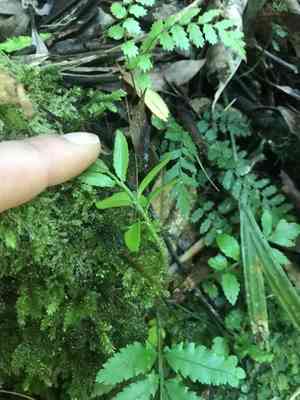
For king fern, a variety known for its expansive fronds and arboreal form, trimming is most effectively carried out from late winter to early spring, aligning with its period of reduced activity. Detach any deceased or injured fronds near the base to preserve its well-being and aesthetic. Consistent reduction of the canopy improves light access and air movement, which is crucial for preventing fungal infections. Trimming additionally encourages fresh development, leading to a sturdy fern architecture.
Advantages of Trimming King Fern
Advantages of Trimming King Fern
Trimming king fern can encourage robust development and help maintain its desired form. Strategic cuts enhance light penetration and air movement, crucial for king fern's strength and structure.
Optimal Period for Pruning King Fern
Optimal Period for Pruning King Fern
Pruning king fern in late winter or early spring is advisable, as these seasons mark the conclusion of its dormant phase and the start of its active growth. Trimming before new growth emerges helps king fern recover quickly without expending energy on new fronds. Removing dead or damaged fronds at this time reduces the likelihood of disease and pests attracted to decaying plant matter. Additionally, pruning in late winter or early spring allows gardeners to shape the plant and manage its size before the growing season, ensuring king fern has an ideal structure for sunlight exposure and air circulation.
Necessary Tools for Pruning King Fern
Sharp Bypass Pruners
Perfect for making clean, precise cuts. They are effective for trimming thinner stems and fronds of king fern, minimizing harm to plant tissues.
Long-Handled Loppers
Suitable for reaching higher fronds or cutting through thicker stems that bypass pruners cannot manage. The leverage from the long handles simplifies cutting.
Gardening Gloves
Protects the gardener's hands from sharp fronds and potential skin irritants while pruning king fern.
Pruning Saw
Useful for cutting through the thicker, woodier sections of king fern that cannot be handled by loppers or pruners. Its serrated blade can easily manage larger diameters.
Clean Cloth & Disinfectant
To wipe blades between cuts to prevent disease spread and to keep tools in good condition for efficient pruning of king fern.
How to Prune King Fern
Identify diseased withered leaves
Thoroughly inspect king fern to locate any diseased or withered leaves that require removal. This is vital for preventing disease spread and promoting vigorous growth.
Sterilize tools
Before starting, sterilize your pruning tools with isopropyl alcohol to prevent transferring pathogens to the cuts.
Prune diseased leaves
Carefully remove diseased leaves by cutting them at the base where the leaf stalk meets the main stem or rhizome. Avoid tearing leaves, as this can create jagged edges susceptible to infection.
Prune withered leaves
Similarly, prune withered leaves at the base using clean, smooth cuts to facilitate rapid healing.
Dispose of debris
After pruning, properly dispose of all trimmed parts. Do not compost diseased material as it could infect the compost; instead, discard it in a way that prevents disease spread.
Common Pruning Errors with King Fern
Overpruning
Cutting back too many of king fern's fronds can weaken the plant. It needs sufficient leaf surface for photosynthesis and to support its growth.
Improper tool use
Using dull or dirty pruning tools can damage king fern's fronds and introduce diseases. Always use clean, sharp tools.
Pruning healthy fronds
Removing healthy fronds without cause can stress king fern and is unnecessary. Focus on damaged or diseased fronds to improve air circulation without reducing the plant's vitality.
Neglecting diseased material
Failing to remove and properly dispose of diseased fronds can lead to the spread of pathogens, endangering king fern and other plants.
Ignoring crown
Cutting into king fern's crown should be avoided as it can severely harm the plant. The crown is where new fronds emerge.
General Pruning Advice for King Fern
Clean cut
Make clean cuts close to the frond's base when pruning king fern to avoid leaving stubs that can rot and cause disease.
Selective pruning
Be selective when pruning king fern, focusing on removing only damaged, dead, or diseased fronds to maintain the plant's natural shape.
Tool sterilization
Sterilize tools before and after pruning king fern to prevent disease spread. Simple disinfection with diluted bleach or alcohol will suffice.
Proper disposal
Dispose of pruned material from king fern responsibly, especially if any signs of disease or pests are present, to prevent contamination of the surrounding environment.
Monitor plant health
Regularly check king fern for signs of stress or disease. Pruning should be part of an overall plant health care plan for optimal results.



