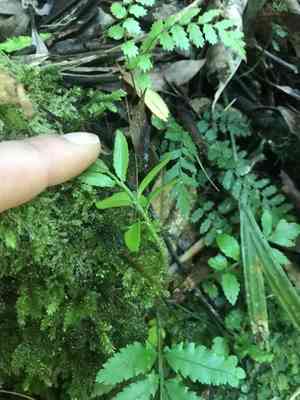
King fern (Ptisana salicina)
Also known as: Horseshoe fern
King fern (Ptisana salicina) can be seen in the wild. King fern gets its regal name from its size since it grows immense fronds that measure up to 5 m in length. This plant is in danger and is classed as At risk - declining under the New Zealand Threat Classification System (NZTCS).
In This Article
Attributes of King fern
Lifespan
Perennial
Plant Type
Fern
Plant Height
1 m to 3 m
Spread
3.5 m to 7 m
Leaf Color
Dark green
Flower Size
N/A - ferns do not produce flowers
Flower Color
N/A - ferns do not produce flowers
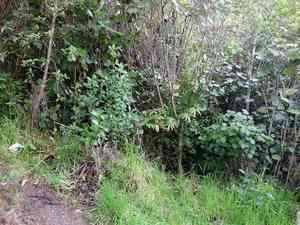
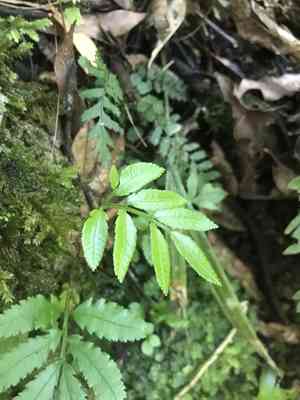
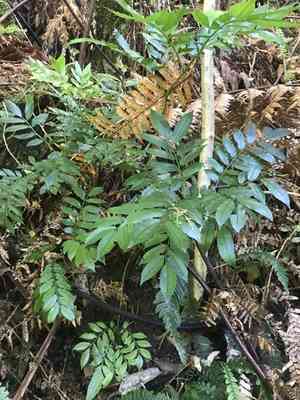
Images of King fern
Quickly Identify King fern
1
To identify Ptisana salicina, look for its large size, with fronds that can reach several meters in length. The fronds are bipinnate, meaning they have a feather-like structure with smaller leaflets. The plant typically prefers damp, shaded areas such as riverbanks and forest understories.
Scientific Classification of King fern
Phylum
Vascular plants
Class
Marattiopsida
Order
Marattiales
Family
Vessel fern
Genus
Ptisana
Species
King fern
Planting and Growing of King fern
Care Difficulty
Hard
Watering Schedule
Every 2 days
Sunlight Requirements
Partial sun
Sunshine Duration
4-6 hours
Ideal Temperature
60-75℉
Soil Type
Potting Mix, Peat Mix
Soil pH
6.5-7.5
Fertilizer Type
Balanced
Pruning Season
Spring, Summer
Pruning Area
Branches, Leaves
Pruning Frequency
2 times a year
Repotting Season
Spring
Pot Type
Plastic, Ceramic
 How to Water King fern?
When watering Ptisana salicina, it is essential to ensure the soil is thoroughly moist but not waterlogged. Watering should allow the moisture to penetrate the deeper root zone, ensuring nourishment to all parts of the root system. A general guideline would be to use approximately 500 milliliters of water, ensuring it seeps through drainage holes. This amount helps maintain a balanced moisture level, promoting healthy growth without the risk of root rot.
What are the symptoms of an underwatered King fern?
›
What should I do if my King fern is not getting enough water?
›
What are the symptoms of an overwatered King fern?
›
How to save an overwatered King fern?
›
 What Are the Sunlight Requirements for King fern?
The ideal range for Ptisana salicina is partial sun to full shade. Adequate indirect lighting fosters steady growth and resilience.
What kind of light does Ptisana salicina prefer?
›
How can you achieve ideal lighting conditions?
›
What are the benefits of providing ideal light?
›
 What Is the Ideal Temperature Range for King fern?
For optimal growth, Ptisana salicina thrives in a temperature range of 60°F to 75°F. This range ensures that the plant can carry out its physiological processes efficiently, promoting healthy growth and development. Maintaining this ideal temperature range helps in achieving maximum leaf spread and vibrant green color.
 What Soil is Best for King fern?
Ptisana salicina thrives in well-draining soil to prevent root rot. Well-draining soil ensures that water doesn't stagnate around the roots, leading to healthy growth and robust plant structure. This plant prefers a nutrient-rich soil that supports lush foliage. Utilizing a soil abundant in organic matter promotes vigorous growth and enhances the fern's natural resilience. Ptisana salicina requires soil that retains adequate moisture without becoming waterlogged. This balance helps maintain consistent hydration levels, crucial for its delicate fronds.
 How to Fertilize King fern?
For Ptisana salicina, it's crucial to strike a balance with fertilization. Typically, using a diluted liquid fertilizer, such as a 10-10-10 NPK, apply around 150-200 ml per plant. For slow-release fertilizers, utilize approximately 20 grams per application. This ensures the plant receives adequate nutrients without overloading.
 How to Prune King fern?
Begin by identifying any yellowing or brown fronds, as these are the primary candidates for removal. Use sharp, sterile pruners to cut the frond as close to the base as possible. Next, thin out clumps that appear overcrowded to allow better air circulation. Finally, step back and assess the plant for symmetry, making additional small adjustments if necessary. Spring and summer are the optimal seasons for pruning Ptisana salicina, as these are the plant's active growth periods. Pruning during these times encourages robust regrowth and helps the plant prepare for the flowering into late summer. Avoid pruning late in the year, as winter pruning may expose cut edges to the elements.
More About Pruning Techniques→
 How to Propagate King fern plant?
1
Fill your seed trays with a well-draining growing medium such as peat or a seed-starting mix. Ensure the medium is moist but not overly wet to provide the ideal environment for germination.
2
Sprinkle Ptisana salicina seeds evenly over the prepared moist growing medium, lightly pressing them into the surface. Do not cover them with soil as they need light to germinate.
3
During division, select a healthy, mature Ptisana salicina plant. Gently dig around the root ball to remove it intact and use a sharp knife to divide it into smaller sections, ensuring each section has roots and shoots.
 How to Repot King fern plant?
1
Look for signs like roots poking out from drainage holes, reduced growth, or water that does not absorb easily. These are clear signals that it might be time to repot Ptisana salicina for optimal health and growth.
2
Select a pot that is one size larger than the current one and has good drainage holes at the bottom. This allows for adequate root expansion and prevents waterlogging, which is essential for the plant’s health and stability.
3
Opt for a nutrient-rich, well-draining loamy soil to provide ample nutrients and good airflow to the roots. This prevents root rot and supports robust fern growth, ensuring a healthy and flourishing plant.
Learn More About King fern Diseases
Anthracnose
Bacterial Leaf Spot
Bacterial Soft Rot
Bacterial Wilt
Black Spot
Chemical Injury
Crown Gall
Cyst Nematode
Damping-off
Downy Mildew
Drought Stress
Fusarium Wilt
Gray Mold
Leaf Curl
Leaf Spot
Mosaic
Nutrient Deficiency
Nutrient Toxicity
Powdery Mildew
Root Rot
Root-knot Nematode
Rusts
Sooty Mold
Spider Mites
Temperature Stress
Thrips Damage
White Mold



