How to Transplant Dense-spike blackroot?
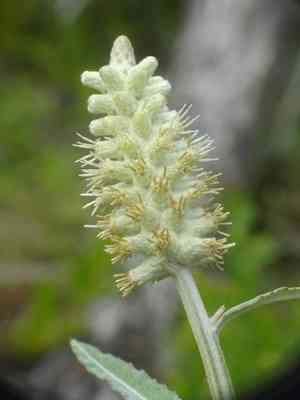
The ideal period for relocating dense-spike blackroot extends from the refreshing onset of early spring through the robust energy of late spring. Generally, it flourishes when situated in areas with good drainage and ample sunlight. Bear in mind that careful manipulation ensures a prosperous move.
Preparations Required Before Relocating Dense-spike Blackroot
Optimal Period for Transplanting Dense-spike Blackroot
The best time for moving dense-spike blackroot is as winter's grip loosens, typically from the onset of early spring until the peak of late spring. This timeframe provides the plant with a gentle start, featuring moderate temperatures and sufficient time for root establishment before the intense summer heat. Transplanting dense-spike blackroot during this season aligns with its natural growth cycle, allowing it to thrive in its new spot, supported by spring's favorable conditions.
Recommended Spacing Between Dense-spike Blackroot Plants
Hello, gardeners! Let's ensure our dense-spike blackroots have ample room to flourish. Aim for a generous separation, ideally around 24-36 inches (61-91 cm) apart. This provides your dense-spike blackroots with the necessary space to expand and reach their full potential!
Ideal Soil Mixture for Dense-spike Blackroot Transplanting
To create an inviting environment for your dense-spike blackroots, prepare a well-draining soil blend enriched with a substantial amount of organic compost as a foundational fertilizer. They thrive in nutrient-rich conditions, so a bit of extra care in soil preparation yields significant benefits!
Optimal Location for Relocating Your Dense-spike Blackroot
Your dense-spike blackroots yearn for the sun's comforting embrace. Select a sunny location that receives full sunlight for most of the day. This is their preferred habitat, where they can absorb the sun's rays and prosper!
Equipment to Prepare Before Transplanting Dense-spike Blackroot
Gardening Gloves
To safeguard your hands while handling soil and plants.
Shovel or Spade
For excavating the plant and preparing a new planting site.
Hand Trowel
For minor adjustments and digging in confined areas.
Watering Can or Hose
To hydrate the plant before and after relocation.
Pruning Shears
To trim any damaged roots or foliage.
Wheelbarrow or Garden Cart
To transport the plant and soil.
Garden Fork
To loosen the soil around the root ball when extracting the plant.
Method for Removing Dense-spike Blackroot from the Soil
Method for Removing Dense-spike Blackroot from the Soil
From Ground: First, moisten the dense-spike blackroot plant to soften the soil. Next, use a shovel or spade to dig a wide trench around the plant, being careful not to harm the root ball. Gradually work the spade or garden fork beneath the root ball to gently lift the plant from its original spot.From Pot: Begin by watering the dense-spike blackroot plant to make the soil more pliable. Turn the pot on its side and gently tap the edges to loosen the plant. If needed, slide a hand trowel along the inner rim to help free the plant. Tilt the pot and carefully slide the plant out, supporting the root ball.From Seedling Tray: Water the seedlings thoroughly. Use a hand trowel or a small tool to carefully lift each dense-spike blackroot seedling by its leaves, not the stems, to prevent damage. Gently coax the roots out of the cells, retaining as much soil around the roots as possible.
Detailed Instructions for Transplanting Dense-spike Blackroot
Preparation
Ensure the new planting area is free of weeds or debris, and the soil has been loosened and aerated using a garden fork.
Transplanting Hole
Use a shovel to dig a hole at the transplant site that is twice the width of the dense-spike blackroot's root ball and of equal depth.
Placement
Gently position the dense-spike blackroot into the hole. Spread out the roots if it was container-grown and root-bound. The top of the root ball should be level with or slightly above the surrounding soil to account for settling.
Refilling
Carefully backfill the hole with soil, gently pressing down around the root ball to eliminate air pockets and ensure good soil contact. Water lightly to further settle the soil.
Staking
If the dense-spike blackroot is tall or top-heavy, insert stakes around the plant for support. Secure the plant to the stakes loosely with soft plant ties.
Post-Transplant Care for Dense-spike Blackroot
Watering Schedule
Establish a consistent watering routine, ensuring the soil remains moist as the dense-spike blackroot acclimates to its new environment.
Mulching
Apply a layer of mulch around the base of dense-spike blackroot, avoiding direct contact with the stem, to conserve soil moisture and regulate soil temperature.
Pruning
Remove any damaged or dead foliage to direct the dense-spike blackroot's energy towards root and new growth development.
Monitoring
Observe for indications of transplant shock, such as wilting or yellowing leaves, and address them with appropriate care, like adjusting water or providing shade.
Protection
Watch out for pests and diseases, and take necessary measures to safeguard the health of your dense-spike blackroot.
Resolving Common Issues with Dense-spike Blackroot Transplantation.
What is the optimal time of year to transplant dense-spike blackroot?
Transplant dense-spike blackroot ideally when nature revives, from early to late spring, promoting root establishment.
How much space does dense-spike blackroot require between each plant when transplanting?
Allow each dense-spike blackroot ample room to thrive, spacing them 24-36 inches (60-91 cm) apart.
What should I verify before transplanting dense-spike blackroot?
Ensure dense-spike blackroot's new site mirrors its natural habitat, with well-draining soil and partial to full sun.
Why is my dense-spike blackroot wilting after transplanting?
Wilting post-transplant can indicate shock. Keep the soil moist and initially avoid direct sunlight to aid recovery.
How do I prepare dense-spike blackroot's rootball for transplanting?
Gently loosen the rootball, trimming damaged roots if necessary, to encourage new growth after transplanting.
Is it possible to transplant dense-spike blackroot during the summer?
It's feasible, but transplanting dense-spike blackroot during cooler early to late spring is preferable to minimize stress.
How deep should I dig when transplanting dense-spike blackroot?
Dig a hole as deep but twice as wide as the rootball to provide dense-spike blackroot with sufficient growing space.
Should I fertilize dense-spike blackroot when transplanting?
Immediate fertilization is not essential. Let dense-spike blackroot settle and apply a balanced fertilizer after a few weeks if needed.
How can I prevent transplant shock for dense-spike blackroot?
Water thoroughly after transplanting and maintain consistent moisture levels for the initial weeks to reduce shock.
How do I determine if dense-spike blackroot is ready for transplant?
Vigorous growth and an active root system in its current container suggest dense-spike blackroot is prepared for transplant.



