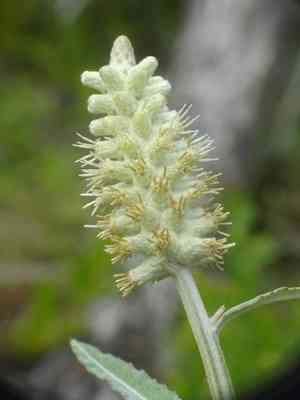
Dense-spike blackroot (Pterocaulon pycnostachyum)
Also known as: Coastal blackroot, Blackroot
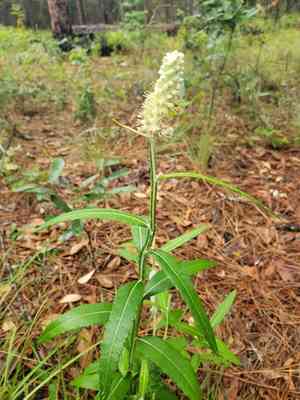
Dense-spike blackroot contains coumarin in its roots, which can be harmful to humans. It typically grows in ditches, woodlands, and sunny uplands. This plant is notable for its small white flowers arranged on a spike and the fine, silvery hairs on the underside of its leaves.
In This Article
Attributes of Dense-spike blackroot
Lifespan
Perennial
Plant Type
Herb, Shrub
Plant Height
80 cm
Spread
Not typically measured since it\'s a herbaceous plant
Leaf Color
Green Blue
Flower Size
10 cm
Flower Color
Yellow Green
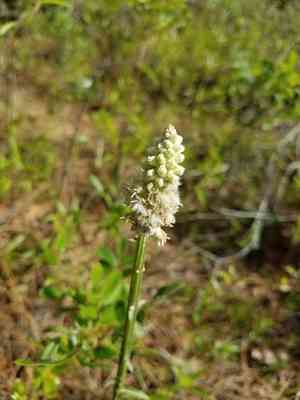
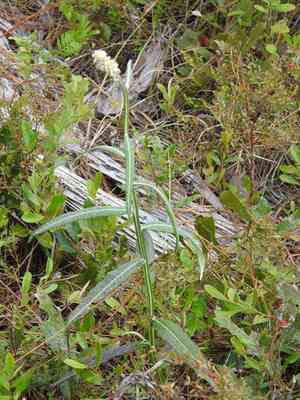
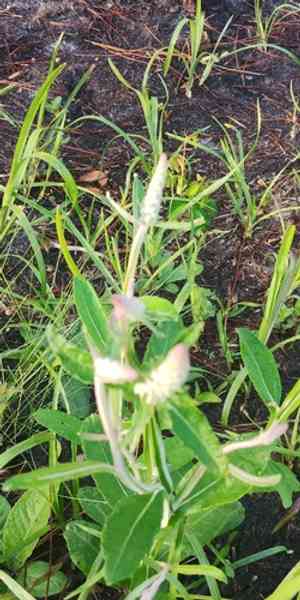
Images of Dense-spike blackroot
Quickly Identify Dense-spike blackroot
1
To identify Pterocaulon pycnostachyum, look for its distinctively hairy stem and leaves, as well as the dense, woolly clusters of small flowers.
Scientific Classification of Dense-spike blackroot
Phylum
Vascular plants
Class
Dicotyledons
Order
Asterales
Family
Daisy
Genus
blackroot
Species
Dense-spike blackroot
Planting and Growing of Dense-spike blackroot
Care Difficulty
Moderate
Watering Schedule
Every 3 days
Sunlight Requirements
Full sun
Sunshine Duration
4-8 hours
Ideal Temperature
68-77℉
Soil Type
Potting Mix, Peat Mix
Soil pH
6.5-7.5
Fertilizer Type
Balanced
Pruning Season
Spring, Summer
Pruning Area
Branches, Leaves
Pruning Frequency
2 times a year
Repotting Season
Spring
Pot Type
Plastic, Ceramic
 How to Water Dense-spike blackroot?
The watering amount for Pterocaulon pycnostachyum should be approximately 250 ml each time. It's important to ensure that the soil remains consistently moist but not waterlogged. Aim to water until the top inch of soil feels damp to the touch, indicating that the moisture has penetrated adequately.
What are the symptoms of an underwatered Dense-spike blackroot?
›
What should I do if my Dense-spike blackroot is not getting enough water?
›
What are the symptoms of an overwatered Dense-spike blackroot?
›
How to save an overwatered Dense-spike blackroot?
›
 What Are the Sunlight Requirements for Dense-spike blackroot?
Pterocaulon pycnostachyum ideally grows under full sun conditions. Providing such light ensures strong physiological processes, substantial energy for growth, and robust resistance against environmental stressors.
More About Sunlight Requirements Techniques→
What is the ideal light exposure for Pterocaulon pycnostachyum?
›
How can I ensure ideal light conditions for Pterocaulon pycnostachyum?
›
What benefits does Pterocaulon pycnostachyum gain from ideal lighting?
›
 What Is the Ideal Temperature Range for Dense-spike blackroot?
The ideal temperature range for cultivating Pterocaulon pycnostachyum is between 68°F to 77°F. This range helps maintain optimal metabolic processes essential for growth and flowering, ensuring that the plant is not stressed by excessive heat or cold.
 What Soil is Best for Dense-spike blackroot?
Pterocaulon pycnostachyum thrives in well-drained soil conditions. This is crucial because it allows excess water to flow away, preventing root rot and other water-related diseases. Proper drainage ensures that the roots receive adequate oxygen, essential for the plant's healthy growth. This plant benefits from a nutrient-rich environment, which loamy soil provides by holding onto nutrients better than sandy soils. This helps in supporting robust growth and vibrant foliage since the plant can access the essential nutrients it requires for its metabolic processes. While excessive moisture is harmful, a moderate amount keeps the plant hydrated without waterlogging its roots. Loamy and sandy loam soils offer a balanced moisture retention capability, which is ideal for consistent plant health.
 How to Fertilize Dense-spike blackroot?
For Pterocaulon pycnostachyum, using a balanced, all-purpose liquid fertilizer diluted to half strength is recommended. Apply approximately 150 ml per plant. Avoid over-application as this can lead to nutrient burn, affecting plant health adversely.
 How to Prune Dense-spike blackroot?
Begin by removing any dead or damaged stems that are discolored or wilted. Cut these back to a healthy part of the stem or down to the base, as this helps redirect the plant's energy to producing new, healthy growth. Assess the shape you want for your Pterocaulon pycnostachyum and trim back branches that disrupt this form. Focus on creating an open structure for better air circulation, especially at the center of the plant, to prevent fungal issues. To encourage a bushier habit, you can trim the tips of the new growth. Cutting just above a node will stimulate branching at that point, resulting in a fuller appearance. Pair this with monthly maintenance for best results.
More About Pruning Techniques→
 How to Propagate Dense-spike blackroot plant?
1
Use a well-draining potting mix made from equal parts of peat and sand. This ensures that the seeds or cuttings have the right environment to develop roots without waterlogging.
2
Place seeds on top of the prepared soil and cover them lightly. Water gently to settle them in without washing them away. Keep the tray in a warm, bright location.
3
Select healthy, non-flowering shoots and cut sections about 10 cm long. Remove the lower leaves to expose nodes that will root more easily in the soil.
 How to Repot Dense-spike blackroot plant?
1
Observe for signs like slowed growth, roots coming out of drainage holes, or the soil drying out too quickly. These are clear indicators that it's time to repot your Pterocaulon pycnostachyum to provide more space and nutrients.
2
Select a pot that's slightly larger than the current one, with sufficient drainage holes. A terracotta pot is excellent as it allows the soil to breathe, preventing over-watering and root rot which is crucial for plant health.
3
Opt for well-draining sandy soil mix to mimic the native habitat of Pterocaulon pycnostachyum. A suitable soil mix retains just enough moisture while allowing excess water to escape, reducing the risk of root rot.
Learn More About Dense-spike blackroot Diseases
Anthracnose
Bacterial Leaf Spot
Bacterial Soft Rot
Bacterial Wilt
Black Spot
Chemical Injury
Damping-off
Downy Mildew
Drought Stress
Fusarium Wilt
Gray Mold
Leaf Curl
Leaf Spot
Mosaic
Nutrient Deficiency
Nutrient Toxicity
Powdery Mildew
Root Rot
Root-knot Nematode
Rusts
Sooty Mold
Spider Mites
Temperature Stress
Thrips Damage
White Mold



