How to Prune Dense-spike blackroot?
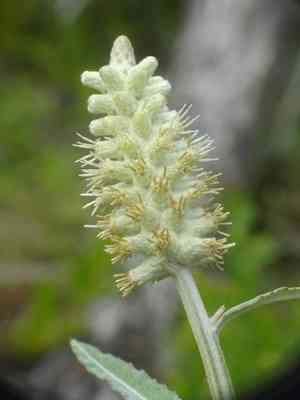
Dense-spike blackroot, a robust perennial recognized for its pointed flower clusters, thrives with trimming to preserve its form and stimulate robust development. Essential methods involve removing faded flowers and reducing foliage in early spring to foster fresh sprouts. The most effective time for pruning is in spring, following the blooming period, and can persist moderately during summer to improve the plant's condition. Deliberate pruning amplifies flowering, averts excessive density, and aids air movement, thereby discouraging ailments.
What Are the Advantages of Trimming Dense-spike Blackroot?
What Are the Advantages of Trimming Dense-spike Blackroot?
Trimming dense-spike blackroot promotes robust development and assists in maintaining its desired form. Regular cutting can encourage new, healthy shoots and prevent the plant from becoming gangly or overgrown.
When Is the Optimal Time for Trimming Dense-spike Blackroot?
When Is the Optimal Time for Trimming Dense-spike Blackroot?
Trimming in late Spring coincides with dense-spike blackroot's post-dormancy growth surge, making it the ideal period to stimulate new growth and shape the plant. Early Summer trimming is also beneficial as it occurs after blooming, enhancing plant health and appearance without sacrificing the season's flowers. Pruning during these seasons avoids stressing dense-spike blackroot during harsh winter conditions and allows the plant to recover and thrive during its active growth phase. These timings also prevent the removal of new buds that form later in the season, ensuring the natural flowering cycle is preserved.
What Equipment Do I Need to Trim Dense-spike Blackroot?
Hand Pruners
Perfect for cutting slender stems and branches, hand pruners offer precision and are easy to maneuver around dense-spike blackroot's thick foliage.
Bypass Pruners
The scissor-like action of bypass pruners delivers a clean cut without harming dense-spike blackroot's stems, which is vital for encouraging healthy regrowth.
Long-Handled Loppers
For reaching into thicker, denser areas of dense-spike blackroot, long-handled loppers provide leverage and can cut through larger branches that hand pruners cannot manage.
Pruning Saw
When dealing with branches more substantial than what loppers can handle, a fine-toothed pruning saw is essential to make clean cuts without tearing dense-spike blackroot's tissue.
How to Trim Dense-spike Blackroot
Identify and prepare
Locate all diseased, damaged, or withered leaves and affected stems on dense-spike blackroot. Ensure you have clean, sharp pruning shears or scissors ready.
Disinfect
Sanitize your pruning tools with rubbing alcohol or a 10% bleach solution to prevent the spread of any diseases while trimming dense-spike blackroot.
Prune diseased leaves
Carefully remove any diseased or withered leaves from dense-spike blackroot by making clean cuts at the base of the leaf stem, avoiding damage to healthy tissue.
Prune diseased stems
For any diseased stems on dense-spike blackroot, make cuts at least a few inches below the affected area to ensure complete removal of all diseased tissue. Make the cuts at a 45-degree angle to promote proper healing.
Cleanup
Gather all removed parts and dispose of them away from the garden to minimize the risk of spreading diseases to other plants. Clean your tools again after finishing trimming dense-spike blackroot.
Common Trimming Errors with Dense-spike Blackroot
Excessive pruning
Removing too much foliage from dense-spike blackroot can stress the plant, reducing its vigor and blooming potential. It's crucial to trim only what is necessary for shaping and health.
Incorrect cut placement
Making cuts too far from a bud or node can result in dead stubs that attract pests and disease. Conversely, cutting too close can damage the bud or node.
Using dull tools
Dull pruning tools can cause jagged cuts that are more susceptible to infections. Clean, sharp tools make precise cuts that heal more quickly.
Failing to remove dead material
Not removing dead or diseased wood can hinder dense-spike blackroot's growth and leave it vulnerable to further disease and pest problems.
Ignoring plant structure
Trimming without paying attention to dense-spike blackroot's natural shape may lead to an unbalanced and less aesthetically pleasing plant.
Shaping without experience
Novice gardeners may attempt to shape dense-spike blackroot without understanding its growth patterns, which can result in unattractive or even harmful cutting.
Inadequate cleanup
Not removing all trimming debris from around dense-spike blackroot can attract pests and diseases to the trimmed plant.
Common Trimming Advice for Dense-spike Blackroot
Understand growth habit
Familiarize yourself with the growth habit of dense-spike blackroot to trim in a way that enhances its natural shape and promotes healthy growth.
Thinning over shearing
Prioritize thinning cuts, which remove entire branches or stems to their base, to improve air circulation and light penetration, helping dense-spike blackroot flourish.
Sterilize tools
Always sterilize pruning tools before and after use on dense-spike blackroot to prevent the spread of diseases between plants.
Timing cuts
Make cuts at a 45-degree angle, just above an outward-facing bud or node, to direct new growth away from the center of dense-spike blackroot.
Focus on dead diseased damaged stems
Regularly remove dead, diseased, or damaged wood from dense-spike blackroot to maintain plant health and aesthetics.
Annual maintenance pruning
Conduct maintenance trimming to manage dense-spike blackroot's size and remove unruly branches to keep a clean shape without compromising the plant’s health.
Monitor plant response
After trimming, monitor dense-spike blackroot for its response. Adjust future trimming practices based on observations to ensure the best care for the plant.



