How to Transplant Wright's cudweed?
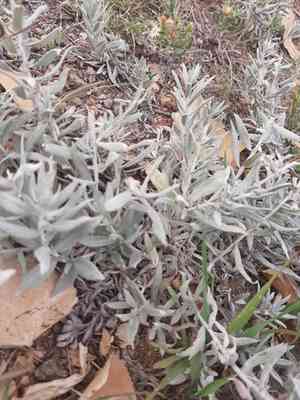
For wright's cudweed, the ideal period for relocation is when mild temperatures emerge, from the latter part of spring into early summer, facilitating superior root development. Choose a bright spot with soil that drains effectively, and preserve the root mass whole to guarantee a smooth adjustment.
What Preparations are Needed Before Transplanting Wright's Cudweed?
What is the Ideal Time for Transplanting Wright's Cudweed?
The best time to transplant wright's cudweed is from late spring through early summer. This period offers suitable temperatures for root development, avoiding extreme cold or intense heat. The mild weather helps wright's cudweed's delicate roots adjust without stress, and spring rains typically provide ample soil moisture, aiding root expansion and nutrient absorption. Transplanting during this window ensures wright's cudweed has a strong start in its new spot, leading to a flourishing growing season.
How Much Space Should You Leave Between Wright's Cudweed Plants?
When relocating wright's cudweed, ensure adequate room for growth. Aim for a spacing of approximately 12-18 inches (30-46 cm) between plants. This provides sufficient space for development and air circulation, helping wright's cudweed thrive in its new environment.
What is the Best Soil Mix for Wright's Cudweed Transplanting?
For wright's cudweed, prepare a well-draining soil, as it dislikes waterlogged conditions. Improve your garden soil by incorporating organic compost to provide nutrients. Mixing in a balanced slow-release fertilizer at planting will give wright's cudweed an excellent start!
Where Should You Relocate Your Wright's Cudweed?
Select a sunny location for your wright's cudweed that receives at least 6 hours of daily sunlight. They thrive in warm, sunny conditions, so an area with abundant natural light throughout the day would be perfect for healthy growth.
What Equipments Should You Prepare Before Transplantation Wright's Cudweed?
Gardening Gloves
To safeguard your hands while handling soil and plants.
Shovel or Spade
For excavating the plant without harming its root ball.
Trowel
Used for precise tasks and digging smaller holes.
Watering Can or Hose with Spray Attachment
For hydrating wright's cudweed before and after its relocation.
Wheelbarrow
To move the plant and soil, if necessary.
Gardening Fork
To loosen the soil surrounding the plant's roots.
Pruning Shears
For trimming any dead or excess plant parts prior to transplanting.
Plant Support Stakes
To keep wright's cudweed upright and stable post-transplant, if required.
How Do You Remove Wright's Cudweed from the Soil?
How Do You Remove Wright's Cudweed from the Soil?
From Ground: Water wright's cudweed to moisten the soil. Use a shovel or spade to dig a wide circle around the plant, being careful not to cut the roots. Gently slide the shovel beneath the root ball, and lift wright's cudweed from its original spot.From Pot: Tilt the container and tap its sides to loosen the soil. Support wright's cudweed by its base and carefully slide the plant out. If roots are circling, gently untangle them.From Seedling Tray: Water the tray to dampen the soil. Use a trowel or your fingers to lift wright's cudweed from its cell, ensuring the root ball remains intact and minimizing root damage.
Step-by-Step Guide for Transplanting Wright's Cudweed
Prepare the New Site
Dig a hole that is twice as wide and the same depth as the root ball of wright's cudweed.
Inspect the Root Ball
Before placing wright's cudweed in the new hole, examine the root ball and trim any dead or overly long roots.
Position wright's cudweed
Place wright's cudweed in the center of the hole, ensuring it stands upright and at the same soil level as before.
Fill the Hole
Gently backfill the hole with soil, lightly patting it down to remove air pockets without compacting it too much.
Stabilize wright's cudweed
If wright's cudweed is tall or unstable, gently insert plant support stakes into the ground and secure wright's cudweed to them with soft ties.
Water the Plant
Give wright's cudweed a thorough watering to settle the soil around its roots. This will also help reduce transplant shock.
How Do You Care For Wright's Cudweed After Transplanting?
Watering Frequency
Closely monitor soil moisture and water wright's cudweed as needed to keep the soil consistently moist during establishment.
Mulching
Apply a layer of mulch around wright's cudweed to help retain soil moisture and regulate temperature.
Monitoring Growth
Observe wright's cudweed for signs of stress like wilting or discolored leaves, and adjust care accordingly.
Support
Check and adjust plant supports as wright's cudweed grows to ensure they are effective and not too tight.
Pruning
Remove any dead or damaged foliage to encourage healthy growth and improve air circulation around wright's cudweed.
Troubleshooting Common Issues with Wright's Cudweed Transplantation.
When's the best time to transplant wright's cudweed?
Ideally, transplant wright's cudweed during the mild period of late spring to early summer when the soil has warmed.
How far apart should I space wright's cudweed when transplanting?
Allow each wright's cudweed ample room to thrive by spacing them 12-18 inches (30-45 cm) apart.
What's the ideal soil for transplanting wright's cudweed?
Utilize a well-draining soil mix with sufficient organic matter to support wright's cudweed's growth.
How deep should the hole be for transplanting wright's cudweed?
Excavate a hole twice as wide and the same depth as the root ball of wright's cudweed.
Can I transplant wright's cudweed on a hot, sunny day?
It's preferable to transplant wright's cudweed on an overcast day or in the late afternoon to minimize transplant shock.
Why are my transplanted wright's cudweed's leaves wilting?
Wilting after transplanting often indicates stress; ensure it receives adequate water and shade for recovery.
How much should I water wright's cudweed after transplanting?
After transplanting, water wright's cudweed generously to settle the roots, then maintain consistent moisture without overwatering.
Should I fertilize wright's cudweed after transplanting?
Wait a few weeks before applying fertilizer to allow wright's cudweed to establish itself in its new location.
What should I do if wright's cudweed isn't thriving after transplant?
Verify proper sunlight, soil conditions, and water. Adjust care as needed for wright's cudweed's recovery.
Can wright's cudweed be transplanted in containers?
Absolutely! Just ensure the container is sufficiently large and has drainage holes for the health of wright's cudweed.



