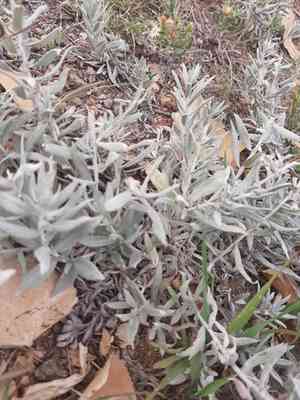
Wright's cudweed (Pseudognaphalium microcephalum)
Also known as: San diego rabbit-tobacco, Northwestern rabbit tobacco
Wright's cudweed (Pseudognaphalium microcephalum), belonging to the sunflower family, is indigenous to western North America. This short-lived perennial features woolly leaves and stems, topped with clusters of creamy white flowers. It thrives in diverse habitats, ranging from dry grasslands to deserts and scrublands.
In This Article
Attributes of Wright's cudweed
Lifespan
Biennial, Perennial
Plant Type
Herb
Plant Height
50 cm to 1 m
Spread
60 cm
Leaf Color
Grayish white
Flower Size
2-5 mm
Flower Color
White Yellow
Images of Wright's cudweed
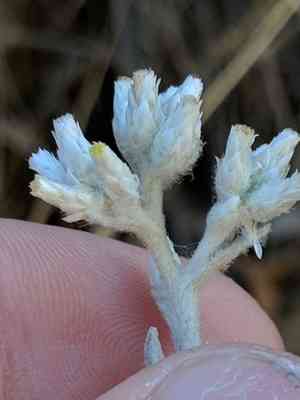
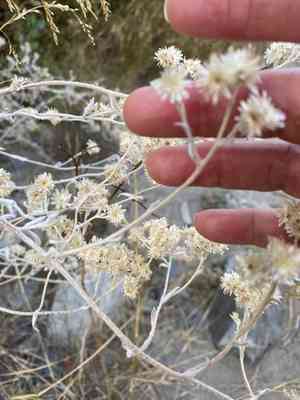
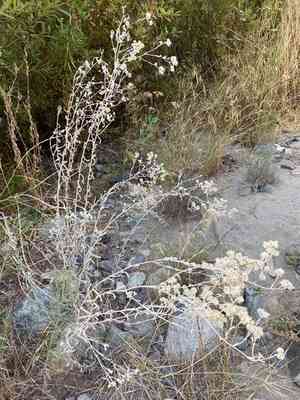
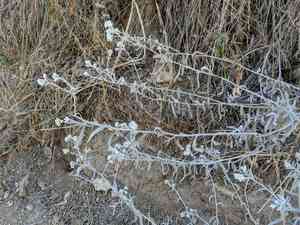
Quickly Identify Wright's cudweed
1
It can be identified by its grayish-white, woolly leaves and small, clustered, yellowish to white flowers. The plant has a distinctive cotton-like texture.
Scientific Classification of Wright's cudweed
Phylum
Vascular plants
Class
Dicotyledons
Order
Asterales
Family
Daisy
Genus
Cudweeds
Species
Wright's cudweed
Planting and Growing of Wright's cudweed
Care Difficulty
Easy
Watering Schedule
Every 3 days
Sunlight Requirements
Partial sun
Sunshine Duration
6-10 hours
Ideal Temperature
68-77℉
Soil Type
Potting Mix, Peat Mix
Soil pH
6.5-7.5
Fertilizer Type
Balanced
Pruning Season
Spring, Summer
Pruning Area
Leaves, Branches
Pruning Frequency
2 times a year
Repotting Season
Spring
Pot Type
Plastic, Ceramic
 How to Water Wright's cudweed?
For Pseudognaphalium microcephalum, water this plant until the soil is evenly moist but not saturated, typically requiring around 200 ml of water. This amount helps the roots absorb enough moisture while preventing waterlogging, which can be harmful.
What are the symptoms of an underwatered Wright's cudweed?
›
What should I do if my Wright's cudweed is not getting enough water?
›
What are the symptoms of an overwatered Wright's cudweed?
›
How to save an overwatered Wright's cudweed?
›
 What Are the Sunlight Requirements for Wright's cudweed?
Partial sun or full sun is ideal for Pseudognaphalium microcephalum, promoting healthy growth and vibrant colors by facilitating effective photosynthesis and nutrient absorption.
What is the best lighting for Pseudognaphalium microcephalum?
›
How can I provide this ideal lighting?
›
What happens if the plant receives optimal light?
›
 What Is the Ideal Temperature Range for Wright's cudweed?
Pseudognaphalium microcephalum thrives best in temperatures ranging from 68 to 77 degrees Fahrenheit. This range mimics its natural habitat conditions, providing optimal energy for growth and metabolic activities. Ensuring the plant remains within this spectrum will encourage healthy foliage and robust development.
 What Soil is Best for Wright's cudweed?
Pseudognaphalium microcephalum thrives best in well-drained soil, ensuring that the roots do not sit in water which can lead to root rot. This encourages strong root systems and helps the plant to draw nutrients efficiently. This plant benefits from a nutrient-rich soil that supplies essential vitamins and minerals necessary for its growth. A nutrient-dense medium promotes vigorous growth and robust flowering in the plant. Moderate moisture retention in the soil helps maintain an optimal hydration level for Pseudognaphalium microcephalum. It assures that the plant has access to water without being subject to waterlogging.
 How to Fertilize Wright's cudweed?
For Pseudognaphalium microcephalum, a balanced approach is essential. Use a 1/4 strength liquid fertilizer during the growing season, providing enough nutrients without overwhelming the roots. This plant generally requires small amounts of nutrients due to its native environment.
 How to Prune Wright's cudweed?
Begin by inspecting the plant for any dead or diseased stems and leaves. Removing these parts helps prevent the spread of diseases and encourages healthier growth. Prune to shape the plant and encourage a denser growth habit. Cut just above a node to stimulate new growth in Pseudognaphalium microcephalum, resulting in a bushier appearance. Conduct monthly maintenance to ensure the plant isn't becoming too leggy. Trim back any stems that are significantly longer than the others to maintain an even shape.
More About Pruning Techniques→
 How to Propagate Wright's cudweed plant?
1
Collect seeds from mature Pseudognaphalium microcephalum flowers. Ensure they are dried properly before planting. Stratification might be required, so consider storing seeds in a cool, dry place for a few weeks to simulate winter conditions.
2
Select healthy stems and cut 4-6 inch sections just below a leaf node. Remove the lower leaves to reduce moisture loss. Dip the cut end in rooting hormone to encourage root development and plant the cutting in a suitable substrate.
3
Carefully dig out a mature plant and divide it into sections, making sure each section has roots and shoots. This method is best done during early spring to reduce stress on the plant. Replant the divisions promptly at the same depth they were growing initially.
 How to Repot Wright's cudweed plant?
1
Indicators that Pseudognaphalium microcephalum needs repotting include stunted growth, roots circling the pot, or water draining too quickly. These signs suggest the plant has outgrown its current pot, and it's time to give it more room to thrive.
2
Select a pot that is 1-2 inches larger in diameter than the current one. Ensure it has ample drainage holes to prevent waterlogging, which can lead to root rot. A pot made from breathable materials like terracotta is ideal as it helps excess moisture to evaporate more easily.
3
Opt for a well-draining soil, such as a cactus mix, to replicate the plant's native arid conditions. This soil type prevents water retention, reducing the risk of root rot, and supplies the plant with adequate aeration.
Learn More About Wright's cudweed Diseases
Anthracnose
Bacterial Leaf Spot
Bacterial Wilt
Chemical Injury
Crown Gall
Cyst Nematode
Damping-off
Downy Mildew
Drought Stress
Fusarium Wilt
Gray Mold
Leaf Spot
Mosaic
Nutrient Deficiency
Nutrient Toxicity
Powdery Mildew
Root Rot
Root-knot Nematode
Rusts
Sooty Mold
Spider Mites
Temperature Stress
Thrips Damage
White Mold



