How to Prune Wright's cudweed?
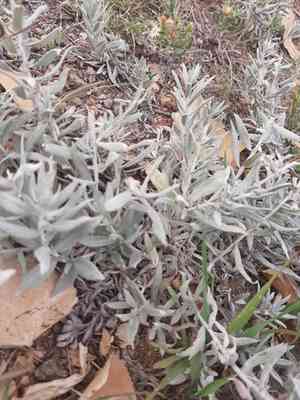
This enduring herbaceous plant flourishes in arid, exposed environments, characterized by its fuzzy leaves and groupings of tiny, white blossoms. For wright's cudweed, trim away deceased stalks and faded blooms to encourage development and preserve its form. The ideal period for pruning extends from spring into summer, refraining from autumn pruning to allow seeds to remain for natural reseeding. Appropriate trimming enhances air movement and diminishes the likelihood of illness. Don glovesâthe foliage might provoke skin discomfort.
What Are the Benefits of Pruning Wright's Cudweed?
What Are the Benefits of Pruning Wright's Cudweed?
Trimming wright's cudweed promotes robust development and helps maintain its desired form. This, in turn, results in a healthier specimen with enhanced structure and size management, crucial for wright's cudweed's optimal growth.
What Is the Best Time for Pruning Wright's Cudweed?
What Is the Best Time for Pruning Wright's Cudweed?
Trimming wright's cudweed during Late Spring aligns with periods after flowering, allowing cultivators to shape the plant and stimulate a burst of new growth. Early Summer is appropriate for light trimming to preserve plant health by removing any spent blooms or damaged stems, preventing energy waste on seed production. Early Fall permits minor pruning to encourage denser growth the subsequent season without risking frost damage to new shoots. Pruning during these periods ensures wright's cudweed's growth cycle remains undisturbed, fosters strong health, and prepares wright's cudweed for its winter dormancy.
What Tools Do I Need to Prune Wright's Cudweed?
Bypass Pruners
Perfect for making clean cuts on the small, delicate stems of wright's cudweed without crushing plant tissue. Suitable for selectively trimming back dead or overgrown branches.
Scissors or Snips
Useful for maintaining wright's cudweed, especially for deadheading or cutting back small, fragile growth without disturbing the rest of the plant.
Gloves
Protection for the gardener's hands to prevent irritation from the plant's sap or from any sharp branches while handling wright's cudweed.
How to Prune Wright's Cudweed
Identify
Examine wright's cudweed for the specified parts to trim: diseased leaves, withered leaves, dead branches, and diseased branches. Determine which sections require attention before proceeding with any pruning.
Sanitize
Prepare clean, sharp pruning shears or scissors. Disinfect the cutting tools with a solution such as alcohol or bleach to prevent the spread of disease among plants.
Trim leaves
Carefully remove diseased and withered leaves from wright's cudweed by cutting them at the base of the leaf stem. Avoid damaging healthy adjacent foliage and stems.
Pruning branches
Trim dead and diseased branches from wright's cudweed by making clean cuts just above a leaf node or lateral branch. If a branch is partially affected, cut back to healthy tissue.
Disposal
Dispose of all removed material from wright's cudweedâleaves and branchesâpromptly and adequately. Do not compost if there are signs of disease, to prevent spreading pathogens.
Common Pruning Mistakes with Wright's Cudweed
Over pruning
Removing too much foliage from wright's cudweed at once can stress the plant, potentially leading to a reduction in its vitality and blooming capacity.
Improper cut locations
Making cuts either too close or too far from the stem node on wright's cudweed can hinder proper healing and regrowth.
Using blunt tools
Pruning wright's cudweed with dull blades can cause tearing or ragged cuts that are more prone to infection and disease.
Neglecting sanitation
Failing to sanitize pruning tools before use on wright's cudweed can spread disease between plants.
Pruning during growth
Cutting back wright's cudweed during its active growing phase can interrupt its natural life cycle and adversely affect its development.
Common Pruning Tips for Wright's Cudweed
Correct cut location
Make cuts on wright's cudweed at a 45-degree angle just above a leaf node or branching point to encourage proper healing and new growth.
Maintaining shape
Prune wright's cudweed by following its natural shape, focusing on cutting back irregular branches to maintain a balanced form without compromising the plant's structure.
Removing damaged growth
Regularly inspect wright's cudweed for dead, damaged, or diseased foliage and remove these parts promptly to maintain plant health.
Tool sharpening
Keep pruning tools sharp to ensure clean and precise cuts on wright's cudweed, which will reduce damage and aid in quicker recovery.
Incremental pruning
Approach pruning wright's cudweed incrementally, removing small amounts at a time to monitor the plant's response and prevent over-pruning.



