How to Transplant Pseudognaphalium hypoleucum?
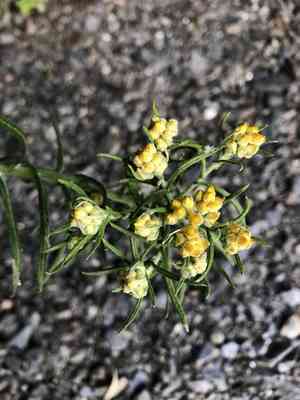
Pseudognaphalium hypoleucum, an annual species, flourishes when relocated from the luminosity of early to late spring because of ideal growing circumstances. Select a sun-drenched, adequately drained location for superior outcomes. Enjoy your transplanting!
Essential Preparations Before Relocating Pseudognaphalium Hypoleucum
Optimal Timing for Pseudognaphalium Hypoleucum Relocation?
The best time to move pseudognaphalium hypoleucum is from early to late spring. This period ensures the ground is adequately warm and the danger of frost is minimal, promoting strong root development. Transplanting during this season boosts the plant's growth and resilience, allowing ample time for adaptation and flourishing conditions throughout its life cycle.
Recommended Spacing Between Pseudognaphalium Hypoleucum Plants?
Position your pseudognaphalium hypoleucum plants approximately 18-24 inches (45-60 cm) apart. This provides sufficient room for growth and ensures good air circulation, which helps prevent diseases.
Ideal Soil Mixture for Pseudognaphalium Hypoleucum Transplanting?
Utilize well-draining soil for your pseudognaphalium hypoleucum plants. Incorporate a balanced base fertilizer or compost to enrich the soil, supplying essential nutrients for their development.
Optimal Location for Pseudognaphalium Hypoleucum Relocation?
Pseudognaphalium hypoleucum plants thrive best in full sun. Select a garden spot where they will receive a minimum of 6-8 hours of direct sunlight daily.
Tools Required for Pseudognaphalium Hypoleucum Transplantation
Gardening Gloves
To safeguard your hands while handling soil and plants.
Trowel
For excavating small holes in the ground.
Shovel/Spade
To dig up and extract the plant from its original spot, if necessary.
Watering Can/Container
For hydrating the plant before, during, and after the transplanting process.
Compost or Organic Matter
To enrich the soil in the new site and assist the plant in settling in.
Method for Extracting Pseudognaphalium Hypoleucum from the Soil
Method for Extracting Pseudognaphalium Hypoleucum from the Soil?
From Ground: First, moisten the soil around the pseudognaphalium hypoleucum plant. Then, using a shovel or spade, dig a wide trench around the plant, ensuring the root ball remains intact. Carefully work the spade beneath the root ball to lift the plant from its initial location.From Pot: Thoroughly water the pseudognaphalium hypoleucum plant. Gently tap the sides and bottom of the pot to loosen the soil. Carefully slide the plant out by holding its base and gently pulling.From Seedling Tray: Water the seedlings to dampen the soil. Use a small trowel or your fingers to carefully lift each seedling from the tray, taking care to keep the roots and soil undisturbed.
Detailed Guide for Transplanting Pseudognaphalium Hypoleucum
Site Preparation
Clear the new planting area of weeds and debris. Ensure the soil is loose and drains well by incorporating compost or organic matter.
Digging Hole
Excavate a hole in the new location that is twice as wide and as deep as the pseudognaphalium hypoleucum's root ball.
Planting
Position the pseudognaphalium hypoleucum in the hole so that the top of the root ball is even with the surrounding soil. Backfill the hole with soil, pressing gently to eliminate any air pockets.
Watering
Water the pseudognaphalium hypoleucum thoroughly immediately after planting to help settle the soil around its roots.
Post-Transplant Care for Pseudognaphalium Hypoleucum
Watering
Maintain consistent moisture in the soil around the pseudognaphalium hypoleucum, avoiding sogginess, for the initial weeks after transplanting to encourage strong root development.
Mulching
Apply a layer of mulch around the base of the pseudognaphalium hypoleucum to help retain moisture and suppress weed growth.
Monitoring
Regularly inspect the pseudognaphalium hypoleucum for signs of transplant shock, such as wilting or yellowing leaves, and provide extra water or shade if necessary.
Addressing Common Issues During Pseudognaphalium Hypoleucum Transplantation
When is the ideal time to transplant pseudognaphalium hypoleucum?
For optimal growth, relocate pseudognaphalium hypoleucum from early spring to late spring.
What spacing should I maintain between pseudognaphalium hypoleucum plants?
Keep pseudognaphalium hypoleucum plants 18-24 inches (46-61 cm) apart to ensure adequate room for development.
How do I prepare the soil for planting pseudognaphalium hypoleucum?
Loosen the soil and incorporate organic compost to enrich it before moving pseudognaphalium hypoleucum.
What actions should I take if pseudognaphalium hypoleucum exhibits signs of transplant shock?
Keep the soil consistently moist and provide some shade until pseudognaphalium hypoleucum recovers.
At what depth should I plant pseudognaphalium hypoleucum seedlings?
Plant pseudognaphalium hypoleucum seedlings at the same depth they were in their original containers.
How frequently should I water pseudognaphalium hypoleucum after transplanting?
Water pseudognaphalium hypoleucum consistently, keeping the soil moist but not waterlogged, especially during the first few weeks.
What kind of sunlight does pseudognaphalium hypoleucum require?
Position pseudognaphalium hypoleucum in a location that receives full sun for at least 6-8 hours daily.
How can I prevent pests on pseudognaphalium hypoleucum after transplanting?
Utilize natural pest deterrents like neem oil and maintain garden cleanliness to safeguard pseudognaphalium hypoleucum.
Is mulching essential when transplanting pseudognaphalium hypoleucum?
Yes, apply mulch around pseudognaphalium hypoleucum to retain moisture and inhibit weed growth.
What should I do if pseudognaphalium hypoleucum leaves begin to yellow?
Inspect for overwatering or nutrient deficiencies and adjust care as needed.



