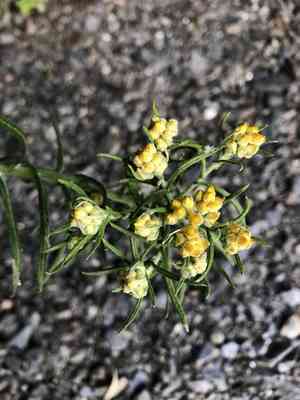
Pseudognaphalium hypoleucum (Pseudognaphalium hypoleucum)
Also known as: None
Pseudognaphalium hypoleucum, known commonly as white cudweed, is distinguished by its silvery, woolly leaves and small clusters of yellowish flowers. It typically grows in dry, open environments such as grasslands and scrublands. The plant's reflective foliage helps it conserve moisture, allowing it to thrive in arid conditions. Its muted colors provide natural camouflage, blending seamlessly with its surroundings and giving it a subtle, understated beauty.
In This Article
Attributes of Pseudognaphalium hypoleucum
Lifespan
Annual
Plant Type
Herb
Plant Height
70 cm
Spread
N/A
Leaf Color
Green
Flower Size
4 mm
Flower Color
Yellow
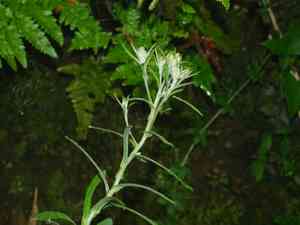
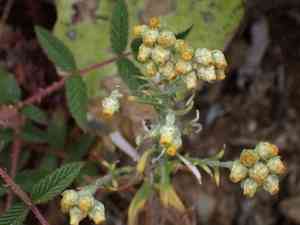
Images of Pseudognaphalium hypoleucum
Quickly Identify Pseudognaphalium hypoleucum
1
Can be identified by its whitish, woolly leaves and small, yellowish flower heads.
Scientific Classification of Pseudognaphalium hypoleucum
Phylum
Vascular plants
Class
Dicotyledons
Order
Asters bellflowers fanflowers and allies
Family
Daisy
Genus
Cudweeds
Species
Pseudognaphalium hypoleucum
Planting and Growing of Pseudognaphalium hypoleucum
Care Difficulty
Easy
Watering Schedule
Every 2 days
Sunlight Requirements
Partial sun
Sunshine Duration
6-8 hours
Ideal Temperature
60-75℉
Soil Type
Potting Mix, Peat Mix
Soil pH
6.5-7.5
Fertilizer Type
Balanced
Pruning Season
Spring, Summer
Pruning Area
Branches, Leaves
Pruning Frequency
2 times a year
Repotting Season
Spring
Pot Type
Ceramic, Plastic
 How to Water Pseudognaphalium hypoleucum?
For Pseudognaphalium hypoleucum, it's important to water until the soil is thoroughly moist, but not waterlogged. A good rule of thumb is to ensure the top inch of soil is dry before each watering. This plant prefers moderate watering, where 250 ml per session should be adequate to adequately saturate the root zone without causing waterlogging.
What are the symptoms of an underwatered Pseudognaphalium hypoleucum?
›
What should I do if my Pseudognaphalium hypoleucum is not getting enough water?
›
What are the symptoms of an overwatered Pseudognaphalium hypoleucum?
›
How to save an overwatered Pseudognaphalium hypoleucum?
›
 What Are the Sunlight Requirements for Pseudognaphalium hypoleucum?
Pseudognaphalium hypoleucum appreciates partial sun, with benefits like robust foliage and reduced disease vulnerability thanks to balanced light exposure.
Understanding Ideal Light for Pseudognaphalium hypoleucum
›
Solutions for Achieving Ideal Light
›
Benefits of Ideal Lighting
›
 What Is the Ideal Temperature Range for Pseudognaphalium hypoleucum?
The ideal temperature range for Pseudognaphalium hypoleucum is between 60°F and 75°F. This range ensures optimal growth by providing the warmth necessary for photosynthesis, while avoiding the stress of higher temperatures. At this range, the plant's enzymes function most efficiently, supporting vigorous physiological activities such as nutrient uptake and transpiration. Maintaining this temperature also minimizes the likelihood of pests and diseases that thrive in cooler or excessively warmer conditions.
 What Soil is Best for Pseudognaphalium hypoleucum?
Pseudognaphalium hypoleucum thrives best in well-drained soil, which helps prevent root rot and supports healthy aeration. This ensures the roots receive adequate oxygen, promoting robust plant growth and flowering. This plant prefers moderately fertile soils that provide balanced nutrients. Over-fertilized soils can lead to excessive foliage with reduced flowering, so maintaining the right balance is key for optimal development. While well-drained, the soil should retain some moisture to ensure sustained hydration. This facilitates nutrient uptake and helps in maintaining the plant’s overall vitality during dry spells.
 How to Fertilize Pseudognaphalium hypoleucum?
For Pseudognaphalium hypoleucum, it's advised to apply liquid fertilizer lightly, using about 1/4 teaspoon per liter of water. This maintains healthy growth without overwhelming the plant’s nutrient needs.
 How to Prune Pseudognaphalium hypoleucum?
Begin by removing any dead or faded flowers to promote continuous blooming. Cut back stems selectively to shape the plant, maintaining its compact form. Use sharp shears and make clean cuts just above a leaf node. Avoid cutting too close to the node to prevent damage to new growth. Remove congested inner branches to improve air circulation. This step is crucial in reducing the risk of fungal diseases and ensuring sunlight penetration, which supports the plant's overall health and vitality.
More About Pruning Techniques→
 How to Propagate Pseudognaphalium hypoleucum plant?
1
Select a well-draining soil mix suitable for the plant's needs. Sterilize the mix to prevent diseases. Fill the propagation trays with this soil, ensuring it’s moist but not overly wet.
2
Using sharp pruning shears, cut 10-15 cm long sections from healthy stems, ensuring that each has a few nodes. Remove leaves from the lower nodes to facilitate rooting.
3
Dip the cut end of each stem into a rooting hormone to promote root growth. Insert the cutting into the prepared soil, ensuring that at least one node is beneath the soil surface.
 How to Repot Pseudognaphalium hypoleucum plant?
1
Repot Pseudognaphalium hypoleucum when you notice the roots growing out of the drainage holes or when the plant seems root-bound, causing stunted growth. These signs usually indicate it's time for a larger pot.
2
Select a pot that is one size larger than the current one with sufficient drainage holes. This will ensure excess water can escape, preventing root rot while providing space for root expansion.
3
Opt for a well-draining, sandy soil mix to mimic the plant's natural environment. This type of soil prevents waterlogging, reducing the risk of root rot and promoting healthy growth.



