How to Propagate Pseudognaphalium hypoleucum?
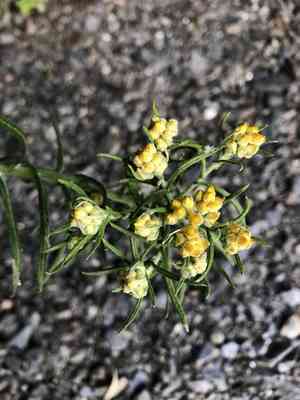
Pseudognaphalium hypoleucum, a member of the Gnaphalieae tribe within the Asteraceae family, predominantly reproduces via seeding. To achieve successful sprouting, it is advisable to utilize a substrate that drains efficiently and to sustain uniform dampness without oversaturation. Place the seeds in an area with natural illumination and temperate conditions, lightly covering them with growing medium. Careful handling and preventing the seeds from being buried too deeply will contribute to effective propagation.
Optimal Period for Pseudognaphalium Hypoleucum Propagation?
Propagation Method
Seeding
Propagation Period
Spring
Essential Tools for Pseudognaphalium Hypoleucum Propagation?
Seed trays
Seed trays are vital for pseudognaphalium hypoleucum seed starting. They enable precise soil management and efficient space utilization. Their flat, shallow design simplifies monitoring moisture levels and germination rates, improving the propagation outcome.
Potting mix
A premium, well-draining potting mix is crucial for pseudognaphalium hypoleucum propagation via seeds. It supplies essential nutrients and aeration, supporting seed germination and root growth. A mix containing perlite or vermiculite is especially beneficial for maintaining ideal moisture balance.
Fine mist spray bottle
A fine mist spray bottle is key for gently watering pseudognaphalium hypoleucum seeds without dislodging them. The fine mist ensures the soil remains moist but not waterlogged, which is critical for the germination of pseudognaphalium hypoleucum's seeds.
Label and marker
Used to mark seed trays, ensuring accurate tracking of pseudognaphalium hypoleucum propagation progress. Labeling assists in monitoring specific growth conditions and care needs for optimal development.
Grow lights (optional for indoor propagation)
Grow lights can significantly boost pseudognaphalium hypoleucum germination success, particularly if natural light is insufficient. They provide the necessary light spectrum that stimulates seed germination and early seedling development.
How to Propagate Pseudognaphalium Hypoleucum?
Propagation Difficulty
Easy
Post-Propagation Care for Pseudognaphalium Hypoleucum?
Post-Propagation Care for Pseudognaphalium Hypoleucum?
Once pseudognaphalium hypoleucum seedlings have developed two sets of true leaves, transfer them into individual pots with well-draining soil. Position the young plants in a sunny spot and water consistently, allowing the soil to dry slightly between waterings. Ensure good air circulation to prevent fungal issues. Gradually introduce the plants to outdoor conditions before planting them in their permanent location. Apply a layer of mulch around the plant bases to retain moisture and reduce weed competition. Monitor for pests and diseases, addressing any problems promptly to ensure healthy growth.
Common Errors to Avoid When Propagating Pseudognaphalium Hypoleucum
Overwatering
Excessive watering of pseudognaphalium hypoleucum can lead to root rot, severely damaging root health and reducing propagation success. Saturated soil conditions deprive roots of vital oxygen and promote fungal infections.
Deep planting
Planting pseudognaphalium hypoleucum too deeply can impede proper rooting. Excessive soil depth can also cause stem rot, hindering growth and the development of new shoots.
Neglecting light requirements
Failure to provide pseudognaphalium hypoleucum with sufficient light during propagation can result in weak, leggy growth. Inadequate light compromises the plant's energy production, essential for new root and shoot development.
Ignoring humidity needs
Not maintaining a high humidity environment for pseudognaphalium hypoleucum can negatively impact the plant's moisture retention, especially during early propagation stages. Low humidity can cause dehydration and slow the rooting process.
Tips For Propagating Pseudognaphalium Hypoleucum
Proper cutting selection
Utilize healthy, disease-free stem cuttings from pseudognaphalium hypoleucum for propagation. Choosing robust cuttings increases the likelihood of successful rooting and overall propagation.
Use of rooting hormone
Applying a rooting hormone to the base of pseudognaphalium hypoleucum cuttings can significantly enhance root development. This encourages stronger and faster root growth, aiding in quicker plant establishment.
Appropriate soil mix
Employing a well-draining, light, and nutrient-rich soil mix helps ensure the delicate new roots of pseudognaphalium hypoleucum can spread unhindered and access necessary nutrients and oxygen.
Maintaining optimal moisture level
While overwatering is detrimental, maintaining consistently moist soil is crucial for successful pseudognaphalium hypoleucum rooting. Ensuring the soil is damp but not soggy supports the delicate balance needed for root health.



