How to Transplant Russian wild rye?
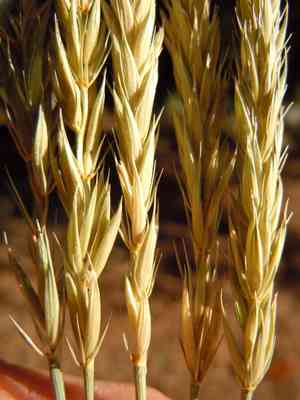
Russian wild rye thrives when relocated from early to late spring because of ideal soil warmth. Select a bright, well-draining spot to boost development. To achieve superior outcomes, guarantee thorough soil conditioning and minimal root disruption.
What Preparations are Needed Before Transplanting Russian Wild Rye?
What is the Ideal Time for Transplanting Russian Wild Rye?
Russian wild rye, a perennial plant, flourishes best when moved from early to late spring. This period ensures warm soil and sufficient moisture, encouraging robust root development. Spring relocation also allows russian wild rye to benefit from the entire upcoming growing season, maximizing its growth and resilience.
How Much Space Should You Leave Between Russian Wild Rye Plants?
When relocating russian wild rye, position them 18-24 inches (45-60 cm) apart to ensure ample room for growth and the development of a strong root system. This spacing helps reduce competition for nutrients and sunlight.
What is the Best Soil Mix for Russian Wild Rye Transplanting?
Prepare well-draining soil enriched with organic matter such as compost. Russian wild rye thrives in soil with a neutral to slightly alkaline pH. Additionally, a foundational fertilizer with a balanced N-P-K ratio (like 10-10-10) can support healthy development.
Where Should You Relocate Your Russian Wild Rye?
Russian wild rye prefers locations with full sun. Select a spot in your garden that receives at least 6-8 hours of direct sunlight daily for optimal growth. Partial shade can be tolerated but might impact the plant's vitality.
What Equipments Should You Prepare Before Transplantation Russian Wild Rye?
Gardening Gloves
To safeguard your hands while handling soil and plants.
Shovel or Spade
For excavating and moving earth.
Hand Trowel
To assist with precise digging around the plant's root system.
Wheelbarrow
For transporting the plant and soil materials.
Watering Can or Hose
To maintain adequate soil moisture.
How Do You Remove Russian Wild Rye from the Soil?
How Do You Remove Russian Wild Rye from the Soil?
From Ground: First, hydrate the russian wild rye plant to moisten the soil. Then, excavate a wide trench around the plant using a shovel or spade, ensuring the plant's root ball remains intact. Carefully maneuver the spade beneath the root ball to lift the plant from its original spot.From Pot or Container: Thoroughly water the soil to facilitate easier removal of the root ball without damage. Gently tap the container's sides to loosen the soil before inverting the pot and allowing the plant to slide out while supporting the root ball.From Seedling Tray: Water the seedlings well prior to removal. Use a hand trowel or your fingers to carefully lift each seedling from the tray, taking care not to harm the delicate roots.
Step-by-Step Guide for Transplanting Russian Wild Rye
Prepare the New Site
Dig a hole slightly larger than the root ball of the russian wild rye plant. Ensure the planting hole is twice as wide as the root ball but only as deep as needed to accommodate the plant roots.
Remove the Plant
Follow the appropriate extraction method based on whether the plant originates from the ground, a pot, or a seedling tray.
Transplant the russian wild rye
Position the root ball into the new location. Ensure the top of the root ball is level with the surrounding soil surface. Carefully backfill the hole with soil, making sure no air pockets remain around the roots.
Water the Plant
Immediately after transplanting, thoroughly water the russian wild rye to settle the soil around the roots and provide essential moisture.
How Do You Care For Russian Wild Rye After Transplanting?
Watering
Keep the soil around the russian wild rye consistently damp, but not waterlogged, for the initial weeks post-transplant to aid in strong root establishment.
Mulching
Apply a layer of mulch around the base of the russian wild rye to help retain moisture and regulate soil temperature.
Monitoring
Regularly inspect the plant for indications of transplant shock, such as wilting or yellowing foliage, and adjust care as necessary.
Troubleshooting Common Issues with Russian Wild Rye Transplantation.
When is the best time to transplant russian wild rye?
The optimal period to relocate russian wild rye is from early spring to late spring.
How far apart should I space russian wild rye when transplanting?
Position your russian wild rye plants 18-24 inches (45-60 cm) apart for ideal growth.
What should I do if the soil is too compact?
Aerate the soil by tilling to a depth of 10 inches (25 cm) before transplanting.
How do I prepare russian wild rye plants for transplanting?
Water the plants thoroughly the day before relocation to simplify the process.
How can I minimize transplant shock in russian wild rye?
Relocate during cooler parts of the day and irrigate immediately afterward.
What should I do if my russian wild rye plants wilt after transplanting?
Ensure they are adequately watered but not oversaturated, and provide partial shade.
How deep should the transplant holes be for russian wild rye plants?
Excavate holes that are twice as wide and as deep as the root ball.
What soil type is best for transplanting russian wild rye?
Well-draining soil with a blend of sand and loam is perfect for russian wild rye.
How often should I water russian wild rye right after transplanting?
Water your russian wild rye plants daily for the first week, then reduce to twice weekly.
What are the signs of root binding in russian wild rye before transplanting?
Look for roots encircling the pot or emerging from the drainage openings.



