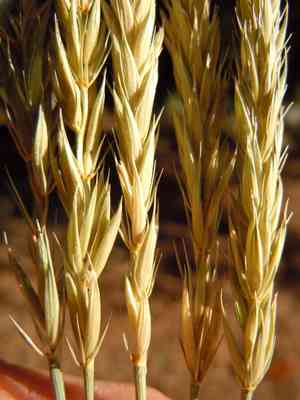
Russian wild rye (Psathyrostachys juncea)
Also known as: Russian wildrye, wild rye
Psathyrostachys juncea, also known as Russian wildrye, is a perennial bunchgrass that can grow in tufts up to 1 meter or more in height. This long-lived grass, capable of thriving for over 25 years in cultivation, has a dense root system beneath each clump. It lacks rhizomes and stolons, with roots that can penetrate up to 3 meters into the soil.
In This Article
Attributes of Russian wild rye
Lifespan
Perennial
Plant Type
Grass
Plant Height
30 to 100 cm
Spread
N/A
Leaf Color
Bluish-green
Flower Size
4 to 8 mm
Flower Color
Green to reddish-brown
Images of Russian wild rye
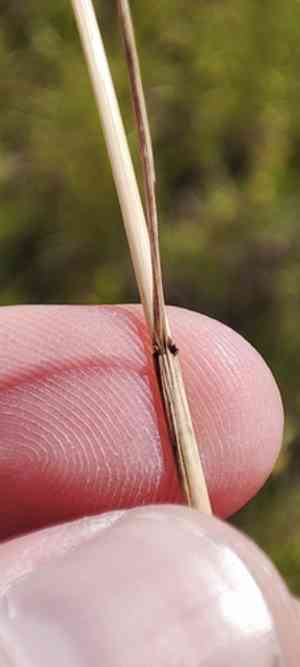
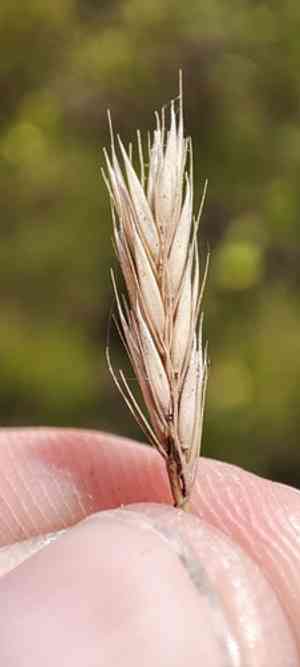
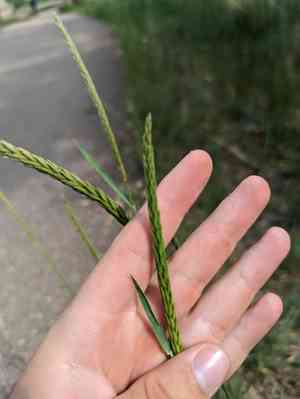
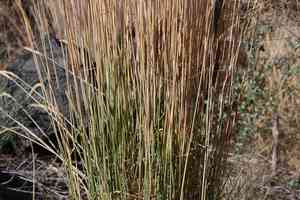
Quickly Identify Russian wild rye
1
This plant can be identified by its narrow, bluish-green leaves and tall, erect flower spikes. The spikes are typically 8 to 12 inches long and bear closely spaced, awnless spikelets. The leaves are rolled in the bud and have a rough texture.
Scientific Classification of Russian wild rye
Phylum
Vascular plants
Class
Monocotyledons
Order
Poales
Family
Grass
Genus
Wildrye
Species
Russian wild rye
Planting and Growing of Russian wild rye
Care Difficulty
Hard
Watering Schedule
Every 2 days
Sunlight Requirements
Full sun
Sunshine Duration
6-10 hours
Ideal Temperature
55-77℉
Soil Type
Potting Mix, Peat Mix
Soil pH
6.5-7.5
Fertilizer Type
Balanced
Pruning Season
Spring, Summer
Pruning Area
Branches, Leaves
Pruning Frequency
2 times a year
Repotting Season
Spring
Pot Type
Plastic, Ceramic
 How to Water Russian wild rye?
The watering amount for Psathyrostachys juncea should be sufficient to moisten the soil evenly but not saturate it. Aim for around 500 ml per watering session when the top 2-3 inches of soil are dry. This ensures that the roots receive adequate moisture without causing waterlogging.
What are the symptoms of an underwatered Russian wild rye?
›
What should I do if my Russian wild rye is not getting enough water?
›
What are the symptoms of an overwatered Russian wild rye?
›
How to save an overwatered Russian wild rye?
›
 What Are the Sunlight Requirements for Russian wild rye?
Psathyrostachys juncea thrives in full to partial sun, benefiting from 6 to 10 sunlight hours daily. This ideal light exposure fosters robust growth, vibrant leaves, and a healthy growth cycle.
How to ensure optimal sunlight exposure?
›
What if full sun isn't possible?
›
Why is proper sunlight crucial?
›
 What Is the Ideal Temperature Range for Russian wild rye?
Psathyrostachys juncea thrives best in a temperature range between 55°F and 77°F. This range allows for optimal photosynthesis and growth, and helps the plant to efficiently utilize available nutrients. Maintaining temperatures within this window minimizes plant stress and supports healthy root development and foliage expansion.
 What Soil is Best for Russian wild rye?
Psathyrostachys juncea thrives in well-drained soils that prevent waterlogging. Such soils maintain optimal aeration around the roots, reducing the risk of root rot and promoting healthy growth. Although tolerant to less fertile conditions, Psathyrostachys juncea benefits from soils enriched with organic matter. This richness supports vigorous growth and increases resilience against pests and diseases. Soils retaining moderate moisture levels are ideal. They ensure that Psathyrostachys juncea receives sufficient hydration without excessive water saturation, supporting steady and sustainable growth.
 How to Fertilize Russian wild rye?
For Psathyrostachys juncea, applying too little or too much fertilizer can significantly impact its growth. It is recommended to use a liquid fertilizer concentration of roughly 50 parts per million (ppm) of nitrogen during its active growing months. When applying slow-release fertilizers, use about 0.5 pounds per 100 square feet. This allows for a gradual release of nutrients without overwhelming the plant.
 How to Prune Russian wild rye?
When pruning Psathyrostachys juncea, take care not to cut into new, healthy growth. Pruning too harshly can stunt the plant's development or lead to an uneven appearance, so identify and preserve new shoots during the process. Try to avoid pruning during extremely hot or cold weather. Such conditions can stress the plant, making it harder for the Psathyrostachys juncea to recover and heal from pruning cuts.
 How to Propagate Russian wild rye plant?
1
Collect mature seeds from the plant and allow them to dry. Before sowing, it's recommended to scarify or soak the seeds overnight to encourage germination, as this can help break dormancy.
2
In early spring, dig up mature clumps and divide them using a sharp knife. Ensure each division has roots and shoots, then replant them at the same soil depth as the original.
3
Sow the prepared seeds in seed trays filled with well-draining soil. Lightly cover seeds with soil or vermiculite and keep them consistently moist until germination.
 How to Repot Russian wild rye plant?
1
You should repot Psathyrostachys juncea when you notice signs like roots growing out of the drainage holes or the plant becoming top-heavy. It may also need repotting if the soil has become compacted and less nutrient-rich. These signs typically appear after a couple of years of growth.
2
Select a pot that is slightly larger than the current one, with good drainage features. The pot should allow extra room for root growth, which helps the plant stabilize and absorb nutrients more efficiently.
3
Opt for a well-draining, sandy soil mix. This ensures excess water can easily escape, preventing root rot. The sandy soil also mimics the plant's natural habitat, contributing to healthy growth and development.



