How to Propagate Russian wild rye?
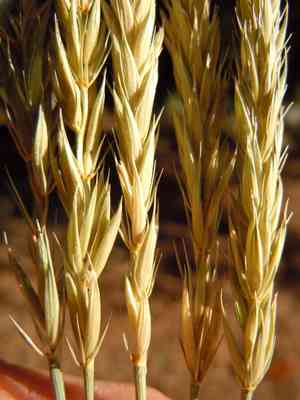
Celebrated for its resilience to arid conditions and its value as animal feed, russian wild rye flourishes in well-draining sandy substrates. For propagation, carefully separate the root masses, making sure every segment possesses healthy shoots and roots. Position the divided sections at the identical depth as the parent plant, allowing sufficient room for expansion. Irrigate consistently until the plants are rooted, then decrease watering, as russian wild rye favors less moist environments.
When Is the Optimal Time to Propagate Russian Wild Rye?
Propagation Method
Division
Propagation Period
Spring,Autumn
What Implements Are Utilized in Russian Wild Rye Propagation?
Sharp Spade or Shovel
Employed for excavating and separating mature clumps of russian wild rye. A keen edge facilitates clean cuts through the root system, minimizing harm and ensuring the vitality of the divided sections.
Hori-Hori Knife
This versatile gardening blade is crucial for making precise cuts when separating roots and shoots. Its slender, serrated edge is particularly effective for dividing dense root masses of russian wild rye.
Rooting Hormone
While russian wild rye typically propagates effectively via division without rooting compounds, applying one can accelerate root establishment for new divisions, boosting their survival prospects.
Pruning Shears
Essential for trimming any damaged or excess foliage during the division process. Managing the foliage reduces stress on new divisions, aiding in more efficient root establishment.
Watering Can with Fine Rose
Delivers a gentle, consistent water flow to newly planted divisions. Proper and steady moisture is vital during the establishment phase for successful russian wild rye propagation.
Labeling Stakes
Assists in identifying and tracking various divisions. This is beneficial for monitoring the growth and health of each section post-transplantation.
Garden Fork
Useful for loosening the soil around the plant prior to division. Minimizing root system disturbance helps in easier extraction and division, contributing to the plant's overall health.
How to Propagate Russian Wild Rye?
Propagation Type
Simple
How to Care for Your Newly Propagated Russian Wild Rye?
How to Care for Your Newly Propagated Russian Wild Rye?
After propagation, russian wild rye needs consistent watering to keep the soil moist but not waterlogged. Mulching around the plants helps retain moisture and suppress weeds. Fertilize with a balanced formula in early spring to encourage robust growth. Monitor plants for pests or diseases, taking action as needed. Once established, they are relatively drought-tolerant, requiring less frequent watering. Regularly remove any dead or damaged foliage to maintain plant health and appearance.
Common Errors to Avoid When Propagating Russian Wild Rye
Overwatering
Causes root rot and fungal infections, severely impeding plant growth and survival.
Incorrect Soil Type
Using soil that retains too much water or lacks nutrients can hinder root development and stunt growth.
Improper Spacing
Planting too close can lead to competition for nutrients and light, reducing overall vigor and yields.
Insufficient Light
Failure to provide adequate sunlight can stunt growth and diminish the plant's resilience.
Neglecting Pest Control
Ignoring pests can result in infestations that harm the plant and affect its ability to propagate.
Tips For Propagating Russian Wild Rye
Well-Drained Soil
Ensure soil drains effectively to prevent root rot and maintain optimal moisture levels.
Adequate Spacing
Space plants appropriately to allow for sufficient nutrient absorption and light exposure.
Optimal Light Exposure
Place in an area that receives ample sunlight to promote healthy growth and robust plants.
Regular Monitoring
Keep an eye out for pests and diseases, addressing issues promptly to protect plant health.
Balanced Fertilization
Use a balanced fertilizer to provide necessary nutrients and encourage strong, healthy growth.



