How to Transplant Yoshino cherry?
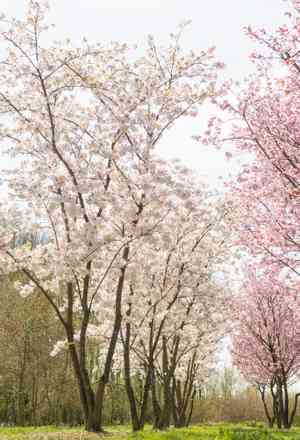
The ideal period for relocating yoshino cherry is during temperate weather, facilitating root integration. Select an area featuring adequately draining earth and filtered sunlight. To achieve favorable results, verify that the new site replicates the initial cultivation environment.
Essential Preparations Before Relocating Yoshino Cherry
When is the Best Time to Move Yoshino Cherry?
The perfect time for relocating yoshino cherry is early autumn. This beneficial timing allows the root system to settle prior to winter, promoting more vigorous development by spring.
What is the Recommended Spacing Between Yoshino Cherry Plants?
When moving your yoshino cherry, ensure they are spaced 15-20 feet (4.5-6 meters) apart. This provides ample room for growth without competing for nutrients, sunlight, or water.
What is the Ideal Soil Blend for Yoshino Cherry Relocation?
Prepare the new home for your yoshino cherry with well-draining soil, preferably loamy or sandy. Incorporate a base fertilizer rich in potassium and phosphorus to enhance blooming. Such fertilizers are available at garden centers.
Where Should You Replant Your Yoshino Cherry?
For your yoshino cherry, select a spot that receives at least 6 hours of sunlight daily. An east or west-facing location is optimal as it will receive a balanced amount of morning and afternoon sun.
Tools Required Before Transplanting Yoshino Cherry
Shovel or spade
To excavate a hole large enough for the plant's roots in its new spot and to extract the plant from its original position.
Garden Hoe
Assists in clearing weeds from the vicinity of the transplant site.
Gardening gloves
To safeguard your hands while handling soil and the plant. Prevents potential scrapes and cuts.
Watering can or hose
To hydrate the plant after its relocation. The soil will dry out during the process, so providing sufficient water afterward is crucial.
Mulch or Compost
For covering the top layer of soil around the plant post-transplanting. It aids in retaining ground moisture.
Garden trowel
For any final positioning or adjustments to the plant.
How to Extract Yoshino Cherry from the Ground?
How to Extract Yoshino Cherry from the Ground?
From Ground: Thoroughly water the yoshino cherry plant to moisten the soil; ideally, do this a day before transplanting. Dig a wide and deep circle around the yoshino cherry using a spade or shovel. It is vital to ensure, as much as possible, that the root ball remains intact while digging around it. Carefully work the spade beneath the root system to lift the plant from its initial spot.From Pot: Water the yoshino cherry plant first to facilitate the process. Gently tilt the pot while holding the base of the plant and allow it to slide out. Be careful not to pull or disturb the upper part of the plant.From Seedling Tray: Lightly water the tray to dampen the soil, which will aid in easy removal. Using a small gardening trowel, carefully lift the seedling along with its roots without causing much disruption.
Step-by-Step Guide for Relocating Yoshino Cherry
Preparation
Choose an overcast or cool day. Intense sun can cause stress to the newly relocated yoshino cherry plant. Water the plant's original location a few hours before moving it. Prepare the new hole by digging a wide and shallow depression, which should be twice the width of the root ball and no deeper than the root ball.
Transplantation
Carefully place the plant in the hole, ensuring the root ball is level with the ground. Backfill the hole with soil and any necessary amendments. Use your hand to firm the soil around the plant's base.
Final Touches
After the yoshino cherry has been planted in its new location, water it thoroughly. Spread a layer of mulch or compost around the base to help retain moisture.
Post-Transplant Care for Yoshino Cherry
Consistent Watering
Keep the soil around the yoshino cherry consistently moist, but not waterlogged, for the initial weeks after transplanting to aid root establishment.
Avoid Fertilizing
Resist the urge to fertilize immediately after moving the plant. Allow the plant to settle into its new location and regain strength.
Mulching
A fresh layer of mulch around the plant's base can help maintain soil moisture and regulate ground temperature. However, ensure the mulch does not touch the trunk or stem of the plant to prevent rot.
Pruning
Minor pruning might be necessary to remove any branches that were broken or damaged during the transplant process.
Monitoring
Regularly inspect the plant for any indications of transplant shock such as wilting, yellowing, or leaf drop. If these are observed, continue watering and consider seeking advice from a local nursery or extension service.
Addressing Common Issues During Yoshino Cherry Transplantation.
What is the optimal season to move yoshino cherry?
The best season to move yoshino cherry is during the cooler parts of the year, ideally between S4-S6.
What is the recommended spacing between two yoshino cherry when planting?
To ensure optimal growth, maintain a distance of 15-20 feet (4.5-6 meters) between two yoshino cherry plants.
What should be the depth of the planting hole for yoshino cherry?
The planting hole should be twice as wide as the root ball and just as deep to allow room for growth.
How much water does yoshino cherry need immediately after transplanting?
Water yoshino cherry thoroughly after planting, ensuring the soil is moist but not waterlogged. Dampness encourages root establishment.
Should I prune yoshino cherry after transplanting?
No, avoid pruning immediately after transplanting. Let yoshino cherry establish first. Post-transplant pruning can lead to stress and slow down establishment.
When should yoshino cherry start showing signs of growth after transplantation?
Yoshino cherry might take 2-3 weeks to show new growth after transplanting. Avoid over-watering during this period.
What signs indicate transplant shock in yoshino cherry?
Transplant shock in yoshino cherry can be indicated by wilting, yellowing or sparse foliage, and slowed growth. Keep an eye on these signs!
What can be done if yoshino cherry shows signs of transplant shock?
Minimize transplant shock by applying a root stimulator, watering adequately, and avoiding fertilizers until yoshino cherry shows signs of recovery.
How much sunlight does yoshino cherry need after transplanting?
After transplanting, yoshino cherry would appreciate full sun to partial shade. However, it can tolerate a variety of light conditions well.
How do I prepare the soil for transplanting yoshino cherry?
Add compost or aged manure to the hole to enhance soil conditions before transplanting yoshino cherry. This will improve nutrient supply and soil structure.



